Dry coffee processing involves various stages from roasting to packaging, and efficient material handling is crucial for maintaining product quality and operational efficiency. The dry coffee conveying system is a critical component in this process, designed to transport coffee beans, grounds, or other dry coffee products with precision and reliability. In this article, we explore the key aspects of dry coffee conveying systems, focusing on the technology and benefits that make them ideal for the coffee industry.
The Role of Pneumatic Conveying in Dry Coffee Handling
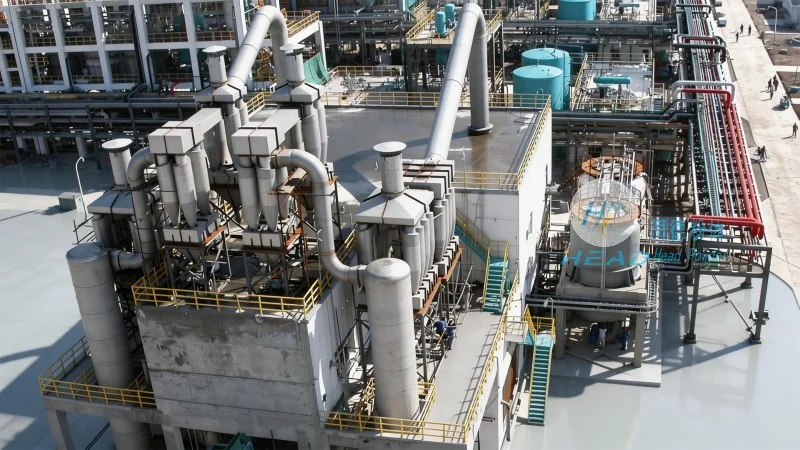
Pneumatic conveying, also known as air conveying, is a widely adopted method for transporting dry materials like coffee. This technology uses air pressure or vacuum to move dry coffee through a pipeline system, eliminating the need for mechanical components like belts or buckets. The headpowder engineering company, with its expertise in material handling solutions, has developed advanced pneumatic conveying systems tailored for the unique requirements of coffee processing. These systems ensure that coffee remains free from contamination, maintains its flavor profile, and is transported efficiently from roasting facilities to packaging lines.
Key Advantages of Pneumatic Conveying for Dry Coffee
When considering the advantages of pneumatic conveying for dry coffee, several key benefits stand out. First, the system provides a hygienic and clean environment, which is essential for maintaining the quality and safety of coffee products. Unlike mechanical systems that may introduce wear and tear or contamination risks, pneumatic conveying uses enclosed pipelines, reducing the exposure of coffee to external elements. Second, the flexibility of pneumatic systems allows for easy integration into existing coffee processing lines, enabling manufacturers to upgrade their operations without major disruptions. Third, the energy efficiency of these systems contributes to lower operational costs over time, making them a cost-effective solution for long-term coffee production. Additionally, the ability to handle different types of dry coffee, from whole beans to finely ground powders, makes pneumatic conveying a versatile choice for various coffee processing applications.
Technical Specifications and Design Considerations
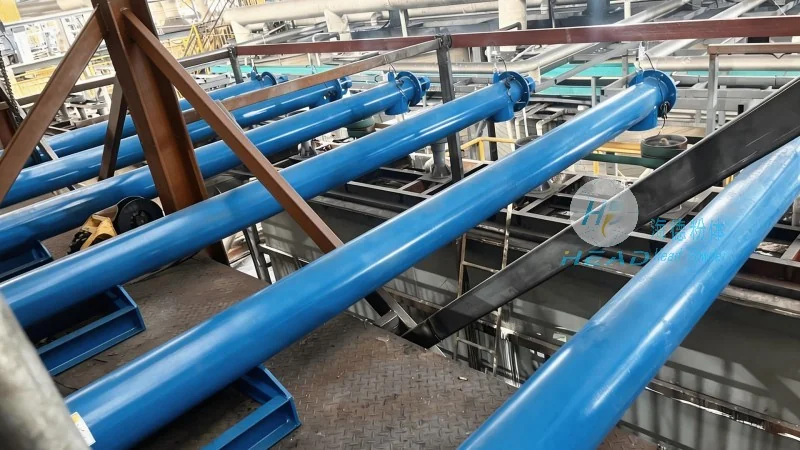
The design of a dry coffee conveying system involves several technical specifications that ensure optimal performance. The headpowder engineering company focuses on customizing these systems to meet specific customer needs. For instance, the pipeline diameter and material (often stainless steel for hygiene) are chosen based on the coffee product's characteristics and the required flow rate. The air pressure and vacuum levels are carefully calibrated to ensure smooth and consistent transport without damaging the coffee's texture or flavor. Moreover, the system includes features such as filters and separators to prevent blockages and maintain air quality, which is crucial for maintaining the coffee's quality throughout the conveying process. The integration of sensors and control systems allows for real-time monitoring of the conveying process, enabling operators to adjust parameters as needed and ensure consistent performance.
Applications in Coffee Processing Facilities
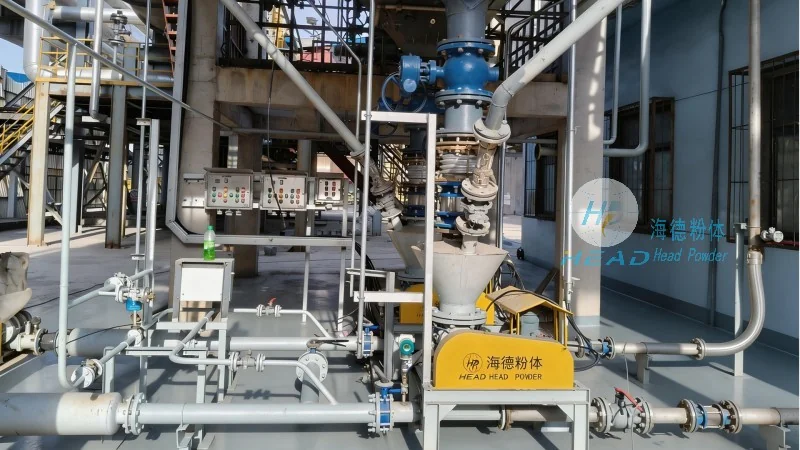
Dry coffee conveying systems are widely used in various stages of coffee processing. From the roasting plant, where freshly roasted coffee beans are conveyed to cooling and packaging areas, to the grinding and blending stages, where ground coffee is transported to storage or packaging units. The headpowder engineering company's systems are designed to handle these diverse applications efficiently. In roasting facilities, pneumatic conveying ensures that roasted beans are moved quickly and hygienically to the next stage, preventing any loss of flavor or quality. In grinding operations, the system maintains the freshness of ground coffee by minimizing exposure to air and moisture, which can affect the taste and aroma. Furthermore, in large-scale coffee production plants, the ability to handle high volumes of dry coffee makes pneumatic conveying an ideal choice for scaling up operations while maintaining quality standards.
Conclusion and Future Trends
In conclusion, dry coffee conveying systems, particularly those utilizing pneumatic technology, offer significant advantages for coffee manufacturers. The headpowder engineering company, with its expertise in material handling solutions, provides reliable and efficient systems that enhance the quality and efficiency of coffee processing. As the coffee industry continues to grow and demand higher quality products, the importance of advanced conveying systems will only increase. The future of dry coffee conveying may involve further integration of automation and smart technologies, enabling even more precise control and monitoring of the conveying process. However, the core benefits of hygienic, efficient, and flexible transport remain, making pneumatic conveying a sustainable and effective solution for the long-term success of coffee processing operations.




