HeadPowder, a leading provider in the field of material handling solutions, specializes in pneumatic conveying systems tailored for rice processing industries. This article delves into the fundamental principles, classification, and practical applications of pneumatic rice conveying, offering insights into how these systems enhance efficiency and reliability in rice handling operations.
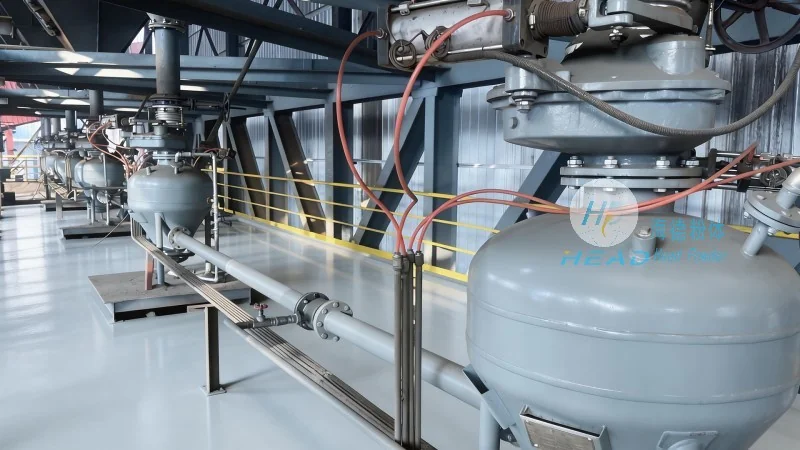
Introduction to Pneumatic Conveying Systems
Pneumatic conveying is a method of transporting bulk materials, such as grains, powders, and granules, using a stream of air. The process involves creating a pressure differential or vacuum to move the material through a pipeline. For rice, which is a delicate and high-value agricultural product, the choice of conveying system is critical to maintain quality, minimize breakage, and ensure consistent flow. Understanding the underlying principles of pneumatic rice conveying is essential for selecting the right system for specific applications.
Working Principle of Pneumatic Rice Conveying
The core principle of pneumatic rice conveying is the use of air to create a flow that carries the rice particles. In an aspiration system, a vacuum is generated at the inlet, drawing rice from a hopper or storage bin into the pipeline. The rice is then propelled through the system by the moving air. In a positive pressure system, compressed air is used to push the rice forward, often requiring higher air pressure and more robust equipment. The choice between these systems depends on factors like the distance to be covered, the volume of rice to be conveyed, and the need to maintain product integrity.
Classification of Pneumatic Rice Conveying Systems
Pneumatic rice conveying systems are broadly classified into two main categories: suction (or vacuum) systems and pressure (or positive pressure) systems. Each type has distinct characteristics and is suited for different operational requirements.
Suction (Vacuum) Conveying Systems
Suction systems operate by creating a negative pressure at the inlet, which draws rice into the pipeline. These systems are ideal for short to medium distances and are commonly used in applications where the rice is to be transferred from a storage area to a processing unit, such as a mill or a cleaning station. The low air velocity in suction systems helps reduce product breakage, making them suitable for handling delicate rice grains. However, they have limitations in terms of conveying distance and material density, as the vacuum strength diminishes over longer distances.
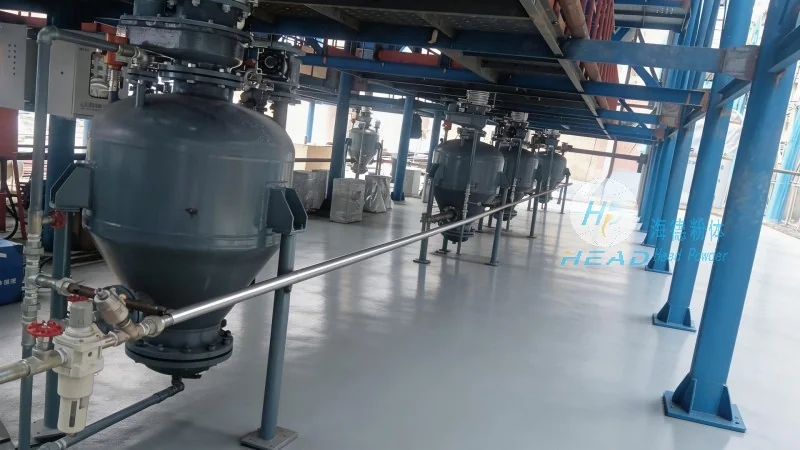
Pressure (Positive Pressure) Conveying Systems
Pressure systems use compressed air to force rice through the pipeline. These systems are capable of conveying rice over longer distances and handling higher material loads. They are often preferred in applications where the rice needs to be transported from a processing facility to a packaging line or a storage silo. The higher air pressure in pressure systems allows for more efficient material movement but may require additional equipment to manage air consumption and pressure regulation. Pressure systems are also more suitable for handling larger quantities of rice and can be integrated with other processing equipment for seamless operation.
Mixed or Combined Systems
In some cases, a combination of suction and pressure principles is employed, known as mixed or combined systems. These systems may use a suction section to draw rice from a hopper and then a pressure section to transport it over longer distances. This approach offers flexibility and can optimize the conveying process for complex layouts or varying operational needs. Mixed systems are particularly useful in large-scale rice processing plants where different sections of the facility require different conveying methods.
Applications of Pneumatic Rice Conveying
Pneumatic rice conveying is widely used in various stages of rice processing and handling. Some key applications include:
1. Raw Rice Transfer: From storage silos or bulk containers to processing equipment such as cleaners, dehuskers, and polishers. The ability to handle large volumes of rice efficiently and maintain grain quality is crucial in this stage.
2. Intermediate Processing: Conveying rice between different processing units, such as from a dehusking machine to a polishing machine or from a polishing machine to a grading and sorting system. Pneumatic systems ensure that rice flows smoothly without the need for manual handling, reducing labor costs and minimizing the risk of contamination.
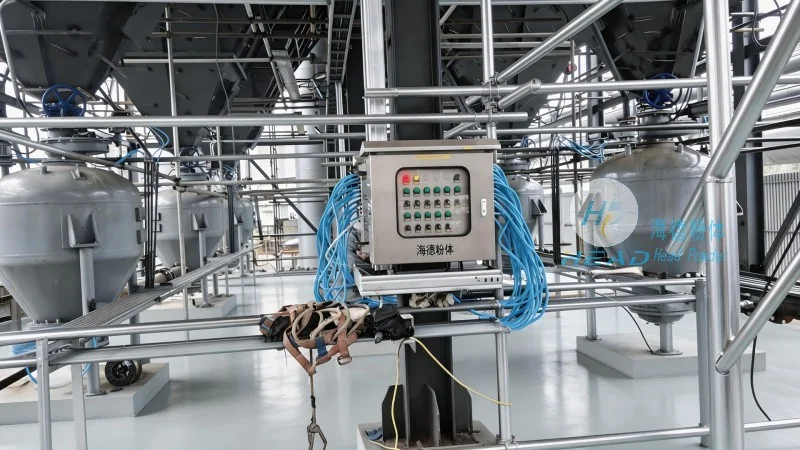
3. Final Packaging: Transporting processed rice (e.g., milled rice, parboiled rice) from the processing line to packaging machines or storage bins. The consistent flow provided by pneumatic conveying systems ensures that packaging operations run smoothly and that the final product is delivered in a uniform manner.
4. Quality Control: In some applications, pneumatic conveying systems are used to transport rice samples for quality testing. The ability to handle small quantities of rice without disrupting the main flow allows for efficient sampling and analysis.
Benefits of Pneumatic Rice Conveying
Implementing pneumatic rice conveying systems offers several advantages over traditional methods like belt conveyors or bucket elevators. These benefits include:
1. Improved Product Quality: Pneumatic systems minimize physical damage to rice grains, such as breakage or cracking, which can occur with mechanical conveyors. This is particularly important for high-value rice varieties where grain integrity directly impacts market value.
2. Enhanced Hygiene and Sanitation: The enclosed pipeline design of pneumatic systems prevents contamination from external sources and simplifies cleaning procedures. This is critical in food processing environments where maintaining high standards of hygiene is mandatory.
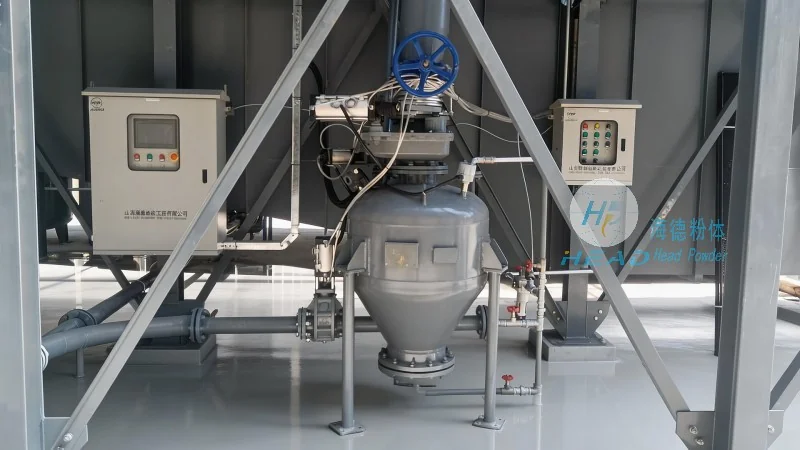
3. Space Efficiency: Pneumatic conveying systems require less floor space compared to traditional conveyors, making them suitable for facilities with limited space or complex layouts.
4. Reduced Labor Costs: Automated pneumatic systems reduce the need for manual labor in material handling, leading to lower operational costs and increased productivity.
5. Flexibility and Scalability: Pneumatic systems can be easily modified or expanded to accommodate changes in production volume or processing requirements. This flexibility allows rice processing plants to adapt to market demands without significant capital investment.
Conclusion
Pneumatic rice conveying is a vital technology in modern rice processing, offering efficient, reliable, and hygienic solutions for material handling. By understanding the working principles and classification of pneumatic systems, rice processing facilities can select the most appropriate equipment to meet their specific needs. HeadPowder, with its expertise in engineering and manufacturing, provides customized pneumatic conveying solutions that enhance operational efficiency and product quality. With a focus on innovation and customer satisfaction, HeadPowder continues to support the rice industry in optimizing its processing workflows and maintaining the highest standards of rice handling.




