For industrial applications requiring efficient and flexible material handling, polyethylene pneumatic conveying systems offer a reliable solution. These systems utilize air to transport polyethylene particles, providing advantages such as reduced equipment wear, minimal contamination, and the ability to handle a wide range of particle sizes and densities. The technology is widely used in various industries, including chemical, pharmaceutical, and food processing, where precise and clean material transport is essential.
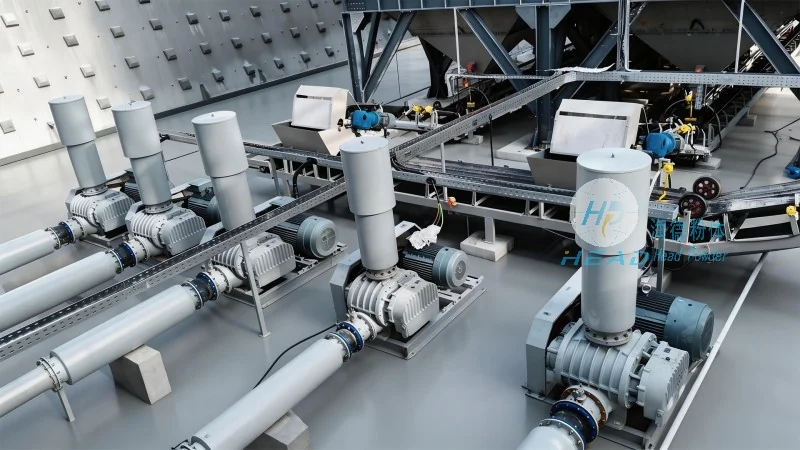
About Shandong HeadPowder Engineering Co., Ltd.
Shandong HeadPowder Engineering Co., Ltd., a leading provider in the field, specializes in the design, manufacturing, and installation of advanced pneumatic conveying solutions. With a strong focus on innovation and customer satisfaction, the company has established itself as a trusted partner for businesses seeking efficient material handling systems. HeadPowder's expertise lies in tailoring systems to meet specific operational requirements, ensuring optimal performance and longevity. The company's headquarters is located in Shandong, China, where it leverages local resources and industry knowledge to deliver high-quality products and services.
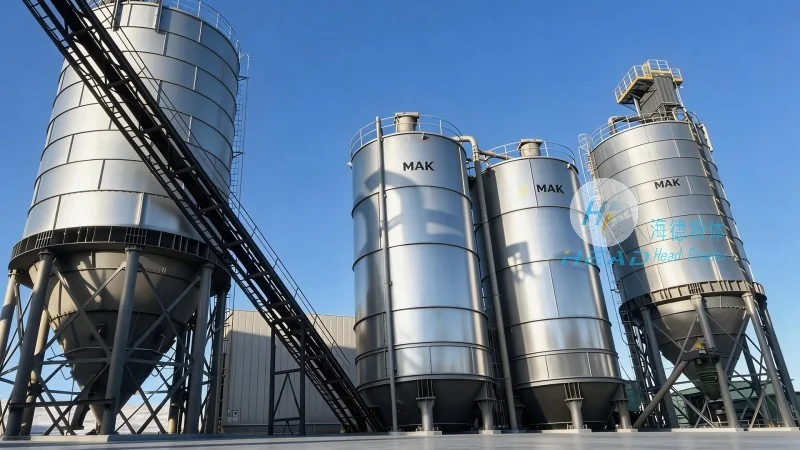
Working Principles of Polyethylene Pneumatic Conveying
Polyethylene pneumatic conveying systems operate on the principle of using air pressure to move polyethylene particles through a pipeline. The process typically involves a few key components: a hopper for material storage, a conveyor line (either positive or negative pressure), and a receiver for the discharged material. In positive pressure systems, air is blown into the pipeline, creating a pressure higher than the ambient air, which propels the polyethylene particles forward. Negative pressure systems, on the other hand, draw air and particles into the pipeline using a vacuum, creating a lower pressure than the surroundings. The choice between positive and negative pressure depends on factors such as the distance to be covered, the material's properties, and the system's overall design. The conveying process is controlled by regulating the air flow rate and pressure, ensuring consistent and efficient material transport. Additionally, the system may include features like cyclones or filters to separate the polyethylene particles from the air stream, preventing dust accumulation and maintaining system efficiency.
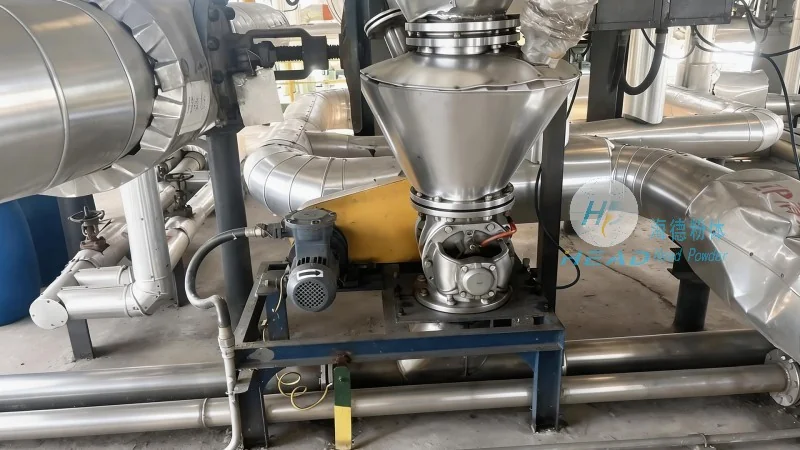
Classification of Polyethylene Pneumatic Conveying Systems
Polyethylene pneumatic conveying systems can be classified based on several factors, including the conveying method, system pressure, and application requirements. The primary classifications include: 1. Dilute Phase Conveying: This method involves transporting polyethylene particles in a dilute suspension with air, typically at high velocities (e.g., 20-30 m/s). Dilute phase systems are suitable for short to medium distances and are commonly used for fine or light polyethylene particles. 2. Dense Phase Conveying: In contrast, dense phase systems transport polyethylene particles in a more concentrated form, with lower air velocities (e.g., 5-10 m/s). This method is ideal for longer distances or when handling abrasive or sensitive polyethylene materials, as it reduces particle impact and wear on the system components. 3. Vacuum Conveying: Also known as negative pressure systems, vacuum conveying uses a vacuum to draw polyethylene particles into the pipeline. This method is particularly useful for applications where the material needs to be transported from a lower elevation to a higher one, or when dealing with dust-sensitive materials. 4. Pressure Conveying: Positive pressure systems, as mentioned earlier, use compressed air to push polyethylene particles through the pipeline. These systems are suitable for short to medium distances and are commonly used in industries where high material flow rates are required. The classification of polyethylene pneumatic conveying systems helps in selecting the appropriate technology for specific operational needs, ensuring optimal performance and cost-effectiveness.
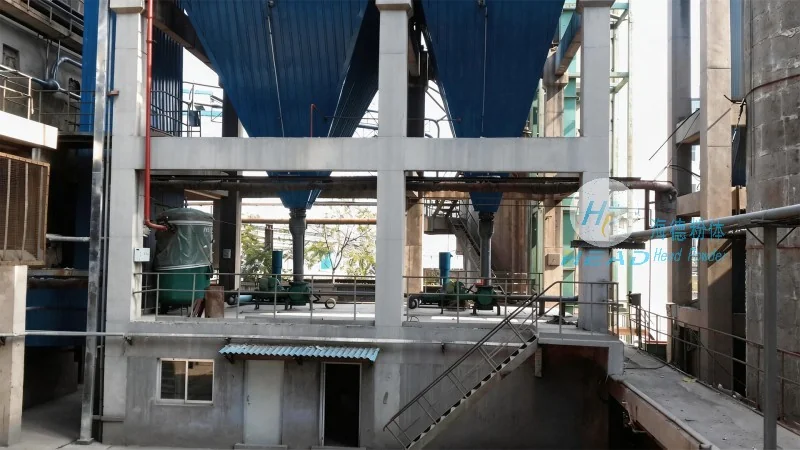
Applications of Polyethylene Pneumatic Conveying
Polyethylene pneumatic conveying systems find extensive applications across various industries due to their versatility and efficiency. In the chemical industry, these systems are used to transport polyethylene powders or granules between processing units, such as reactors, mixers, and storage tanks. The ability to handle fine or abrasive polyethylene particles without causing contamination makes them ideal for pharmaceutical and food processing applications, where product purity is paramount. Additionally, polyethylene pneumatic conveying is utilized in the plastics manufacturing sector for transporting raw materials to extrusion lines or molding machines. The systems can also be integrated into automated production lines, enhancing overall operational efficiency and reducing manual handling. By providing a clean and controlled method of material transport, polyethylene pneumatic conveying systems contribute to improved product quality and reduced downtime in industrial operations.




