For industries dealing with fine powders, maintaining efficient and reliable material transport is crucial. Pneumatic conveying systems have emerged as a vital solution, yet a common challenge is the risk of pipeline blockages, which can halt operations and lead to significant downtime. This article explores effective strategies to prevent such blockages and highlights the critical design parameters that ensure smooth operation in fine powder conveying applications.
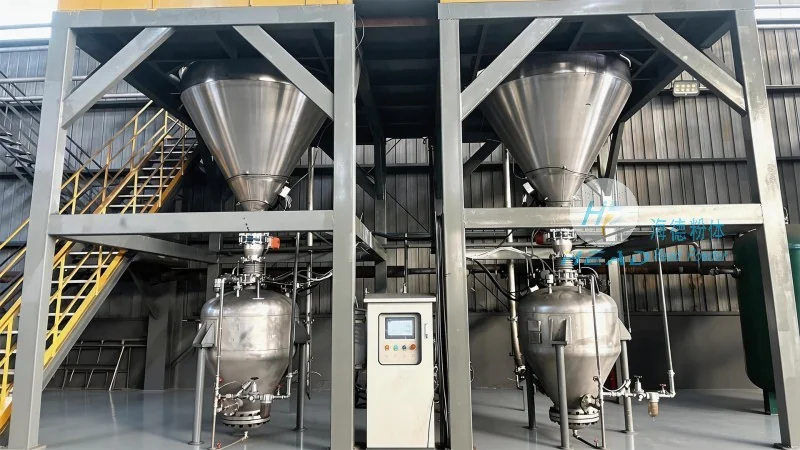
Understanding the Risks of Pipeline Blockages in Fine Powder Conveying
Fine powders, such as those used in pharmaceuticals, food processing, or chemical manufacturing, possess unique properties that make them prone to agglomeration and caking. When these particles are transported through pipelines using air or other gases, the combination of friction, moisture, and particle size can lead to the formation of blockages. These blockages not only disrupt the flow but also increase energy consumption and maintenance costs. Therefore, understanding the root causes of blockages is the first step toward implementing effective prevention measures.
Key Design Parameters for Preventing Blockages in Pneumatic Conveying Systems
Several design parameters play a pivotal role in minimizing the risk of pipeline blockages in fine powder conveying. These parameters are tailored to the specific characteristics of the material being transported and the operational requirements of the system.
Firstly, the air velocity is a critical factor. Maintaining an appropriate air velocity ensures that the particles remain suspended and do not settle or agglomerate. Too low a velocity can cause particles to settle, leading to blockages, while excessively high velocity may increase energy costs and cause wear on components. Engineers typically aim for velocities that keep the particles in a suspended state without causing excessive turbulence. For example, in dilute phase systems, air velocities are often maintained between 20 to 30 meters per second, depending on the particle size and density.
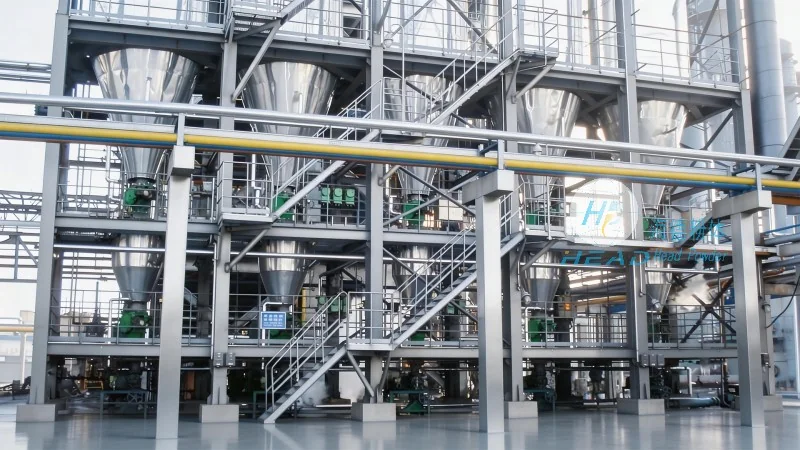
Secondly, the pipeline diameter and length are important considerations. Larger diameters reduce the risk of particle accumulation and blockages, as they provide more space for particles to move freely. However, larger diameters also increase the system's cost and energy consumption. The length of the pipeline also affects the pressure drop and the likelihood of blockages, as longer pipelines require more energy to maintain the air flow and particle suspension. In practice, engineers may use smaller diameters for shorter distances and larger diameters for longer runs to balance efficiency and cost.
Thirdly, the material properties of the fine powder must be considered. Parameters such as particle size distribution, moisture content, and density influence the system's design. For example, materials with high moisture content are more prone to caking, and thus, the system may need to incorporate drying mechanisms or use materials with lower moisture levels. Particle size distribution is also crucial; finer particles are more likely to cause blockages due to their tendency to agglomerate. Systems handling very fine powders (e.g., below 10 microns) may require higher air velocities and larger diameters to prevent agglomeration.
Fourthly, the conveying method (e.g., dilute phase vs. dense phase) impacts blockage risk. Dilute phase systems, where particles are suspended in air, are generally less prone to blockages compared to dense phase systems, where particles are more concentrated. However, dense phase systems are suitable for longer distances or when high pressure is required. The choice of conveying method depends on the application and the material's characteristics. For instance, dense phase systems are often used in applications where the material is sensitive to high velocities or where a lower pressure drop is needed.
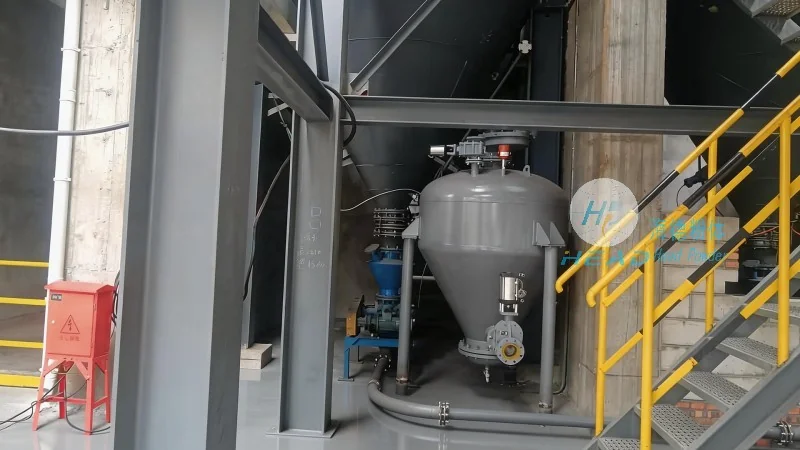
Fifthly, the system layout and components, such as bends, valves, and filters, must be designed to minimize turbulence and particle accumulation. Sharp bends can cause particles to settle and accumulate, leading to blockages. Therefore, using smooth bends or gradual transitions can help maintain particle suspension. Additionally, proper placement of filters and cyclones is essential to prevent clogged components and maintain system efficiency. Filters should be positioned at strategic points to remove moisture and fine particles that could otherwise cause blockages in downstream components.
The Role of HeadPowder in Designing Effective Pneumatic Conveying Solutions
Shandong HeadPowder Engineering Co., Ltd., a leading provider of pneumatic conveying systems, specializes in addressing the challenges of fine powder handling. With years of experience in the industry, HeadPowder understands the importance of optimizing design parameters to prevent blockages and ensure reliable operation. The company's team of engineers works closely with clients to assess their specific material properties and operational needs, developing customized solutions that meet their requirements.
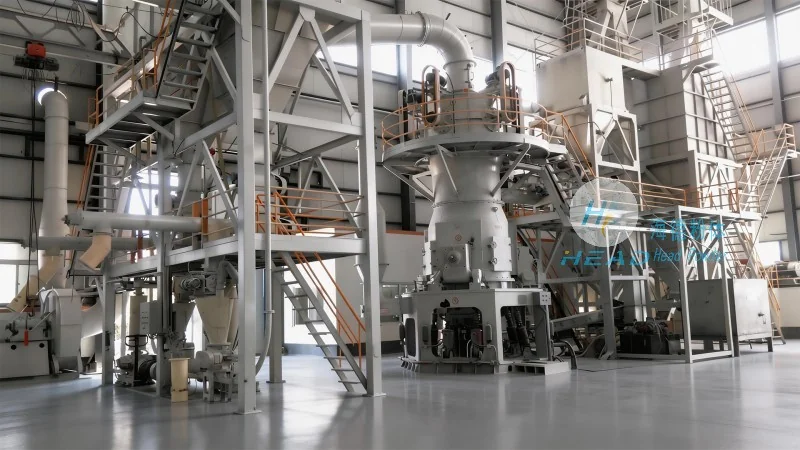
HeadPowder's expertise lies in integrating advanced technologies and materials to enhance system performance. For instance, the use of high-quality materials for pipelines and components reduces wear and tear, minimizing the risk of blockages caused by material degradation. The company often employs stainless steel or corrosion-resistant alloys for pipelines, ensuring durability and resistance to the chemical properties of the fine powders being transported. Additionally, the company utilizes advanced control systems to monitor air pressure, flow rates, and particle levels in real-time, allowing for immediate adjustments if blockages are detected.
Furthermore, HeadPowder employs simulation tools to model the behavior of fine powders in the system, allowing for precise adjustments to design parameters before implementation. This approach helps in predicting potential issues and optimizing the system design to minimize blockage risks. By leveraging these technologies, HeadPowder ensures that its pneumatic conveying systems are not only efficient but also highly reliable and low-maintenance.
By focusing on the key design parameters discussed above, HeadPowder ensures that its pneumatic conveying systems are optimized for preventing blockages and delivering consistent performance. The company's commitment to quality and innovation has made it a trusted partner for industries relying on efficient fine powder transport. Whether for pharmaceuticals, food processing, or chemical manufacturing, HeadPowder provides tailored solutions that address the unique challenges of each application, ensuring smooth and uninterrupted material handling.




