

How to Prevent Pipeline Blockages in Copper Sulfate Conveying with Pneumatic Conveying Systems? Key
Pneumatic conveying systems are widely used in the industrial sector for transporting bulk materials, including copper sulfate, due to their efficiency and ability to handle materials with varying properties. However, when dealing with copper sulfate, a highly hygroscopic and abrasive substance, the risk of pipeline blockages increases significantly. This article explores effective strategies to prevent blockages and highlights the critical design parameters that ensure smooth operation in copper sulfate conveying applications.
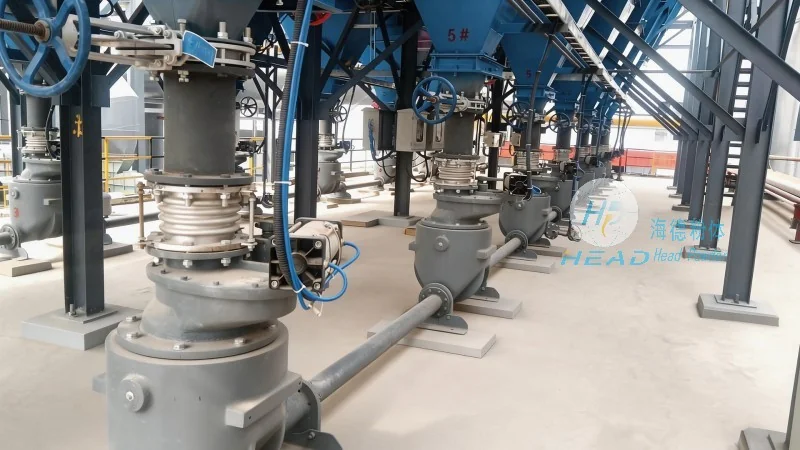
Understanding the Risks of Pipeline Blockages in Copper Sulfate Conveying
Copper sulfate, often in the form of powder or granules, can cause blockages in pneumatic conveying pipelines due to several factors. The material's high moisture content can lead to agglomeration, while its abrasive nature can wear down pipe surfaces over time, creating points of accumulation. Additionally, the velocity and pressure within the system must be precisely controlled to prevent material settling and clogging. Proper system design is therefore essential to mitigate these risks and maintain consistent material flow.
Key Design Parameters for Preventing Blockages in Copper Sulfate Conveying
Several key design parameters must be considered when designing a pneumatic conveying system for copper sulfate to prevent blockages. The first is the air velocity, which should be maintained at a level that ensures the material remains suspended and does not settle. For copper sulfate, typical conveying velocities range from 20 to 30 meters per second, depending on the material's particle size and density. Maintaining this velocity consistently throughout the pipeline is crucial to avoid localized pressure drops that can lead to blockages.
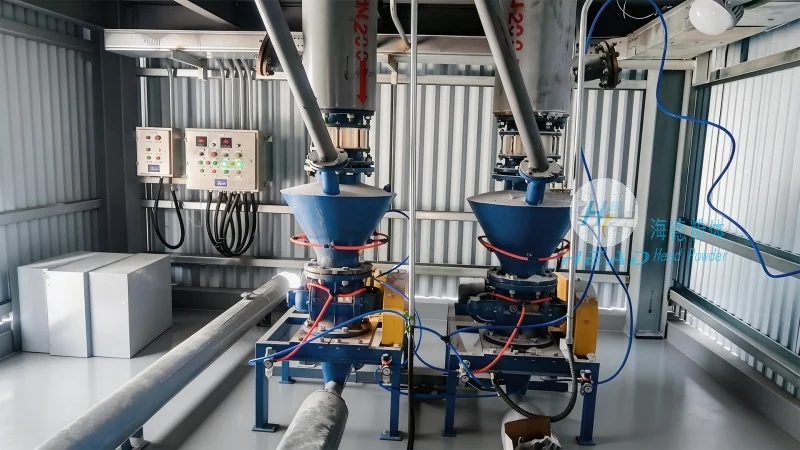
Another critical parameter is the system's pressure and flow rate. The pressure must be sufficient to overcome the resistance of the material and the pipeline, but not so high that it causes excessive wear or material degradation. The flow rate should be optimized to match the material's bulk density and the desired throughput, ensuring that the system operates within its optimal range. Proper sizing of the pipeline diameter is also essential; too small a diameter can increase friction and pressure loss, while too large a diameter may reduce the air velocity needed for suspension.
Material Handling and Conditioning for Optimal Performance
Preventing blockages also involves proper material handling and conditioning before it enters the conveying system. Copper sulfate should be stored in a dry, well-ventilated area to minimize moisture absorption, which can cause clumping. If the material is prone to agglomeration, conditioning steps such as drying or adding anti-caking agents may be necessary. Additionally, the use of pre-screening or size reduction equipment can help ensure that the material particles are within the optimal size range for smooth conveying. By conditioning the material properly, the risk of blockages at the inlet and throughout the pipeline is significantly reduced.
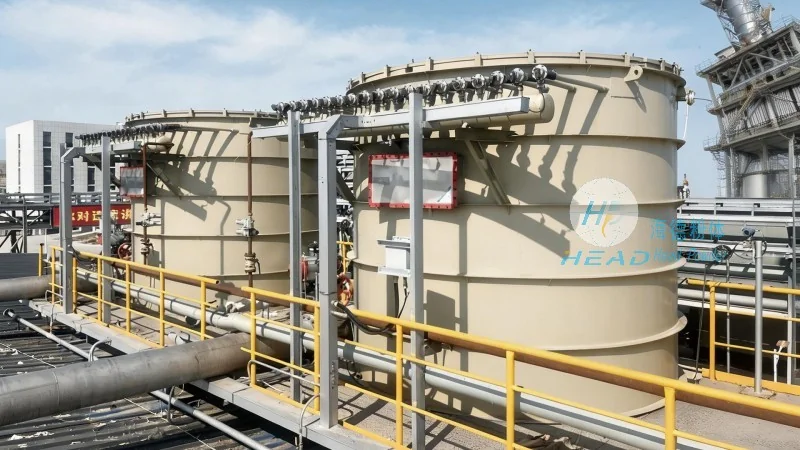
System Components and Their Role in Preventing Blockages
The selection and configuration of system components play a vital role in preventing blockages in copper sulfate conveying. The use of high-quality, corrosion-resistant materials for the pipeline and fittings is essential, as copper sulfate can be corrosive to certain metals. Elbows, bends, and other fittings should be designed with smooth transitions to minimize turbulence and pressure loss, which can contribute to material settling. Additionally, the inclusion of pressure relief valves and flow control devices helps maintain system stability and prevents over-pressurization that could lead to blockages. Regular maintenance of these components, including cleaning and inspection, is also crucial to ensure long-term system performance.
Case Study: Successful Implementation by Shandong HeadPowder Engineering Co., Ltd.
Shandong HeadPowder Engineering Co., Ltd., a leading provider of pneumatic conveying solutions, has successfully implemented systems for copper sulfate handling in various industrial applications. By adhering to the key design parameters discussed above, their systems have consistently prevented blockages and ensured reliable material transport. For example, one client, a copper sulfate manufacturer, reported a 90% reduction in downtime due to blockages after implementing a system designed by HeadPowder. The system included optimized air velocity control, corrosion-resistant materials, and proper material conditioning, demonstrating the effectiveness of these design strategies.