

How to Prevent Pipeline Blockages in Adipic Acid Transport with Pneumatic Conveying Systems? Key Des
Pneumatic conveying systems are widely used in the chemical and pharmaceutical industries for transporting bulk powders like adipic acid. These systems utilize air or other gases to move materials through pipelines, offering advantages such as dust control, reduced material degradation, and flexibility in layout. However, when handling adipic acid—a fine, hygroscopic powder—pipeline blockages can occur, leading to operational disruptions and increased maintenance costs. Understanding the underlying causes and implementing appropriate design strategies is crucial for ensuring smooth and reliable transport.
Common Pipeline Blockage Issues in Adipic Acid Handling
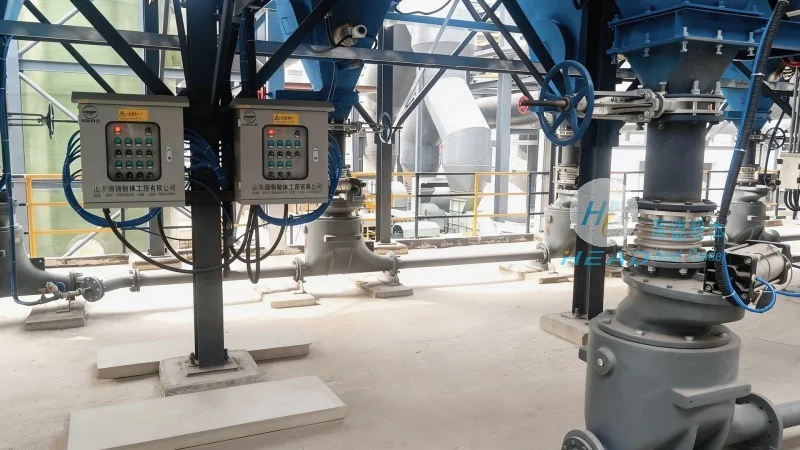
Adipic acid, with its fine particle size and tendency to agglomerate, poses unique challenges in pneumatic conveying. Blockages typically arise from several factors: - Particle agglomeration: The hygroscopic nature of adipic acid causes particles to stick together, forming larger lumps that clog pipeline sections. - Air flow instability: Inconsistent air pressure or velocity can lead to uneven material movement, causing material to settle and accumulate. - System inlet and outlet design: Poorly designed inlets or outlets may cause material to stagnate at critical points, promoting blockage formation. - Moisture content: Excess moisture in the system can increase particle stickiness, exacerbating agglomeration and blockage risks.
Key Design Parameters to Prevent Blockages
To mitigate pipeline blockages in adipic acid transport, several key design parameters must be carefully considered during system planning and installation: - Air velocity and pressure: Maintaining optimal air velocity (typically 20-30 m/s for fine powders) and consistent pressure ensures continuous material movement. Low velocity can cause material to settle, while excessive velocity may lead to wear and tear on components. - Pipeline sizing and layout: Properly sized pipelines with smooth internal surfaces reduce friction and resistance. Avoiding sharp bends and using gradual transitions minimizes pressure drops and material accumulation. - Inlet and outlet design: Well-designed inlets (e.g., venturi or rotary valves) and outlets (e.g., rotary airlocks) ensure uniform material feeding and discharge. These components prevent material stagnation and maintain flow continuity. - Material handling equipment: Using high-quality, wear-resistant components such as pumps, filters, and separators is essential. These parts help maintain system efficiency and prevent blockage-related damage. - Moisture control: Implementing dehumidification systems or using dryers to control moisture content in the adipic acid reduces stickiness and agglomeration, thereby minimizing blockage risks.
Role of System Components in Maintaining Flow Efficiency
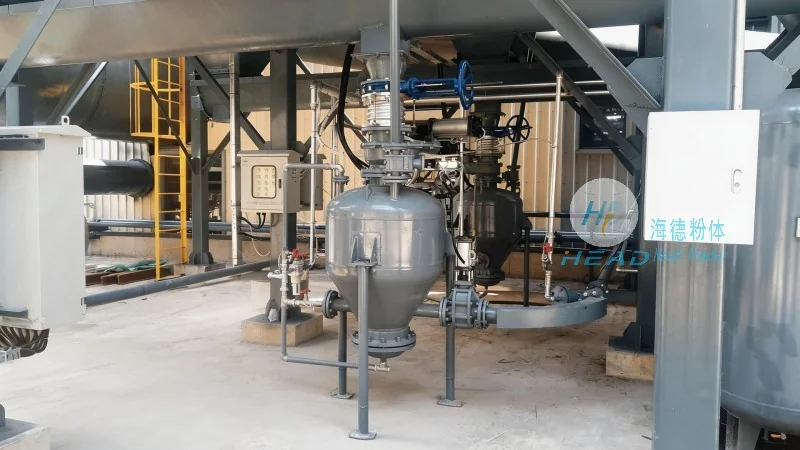
The effectiveness of a pneumatic conveying system in preventing blockages depends heavily on the integration of key components: - Conveying pumps: Positive displacement pumps (e.g., rotary lobe or screw pumps) provide consistent air flow and pressure, ensuring stable material transport. These pumps are designed to handle fine powders without causing excessive wear. - Filters and separators: High-efficiency filters (e.g., bag filters or cartridge filters) remove dust and debris from the air stream, preventing clogging of downstream components. Separators also help separate material from air, reducing the risk of material buildup in the system. - Pressure sensors and control systems: Real-time monitoring of air pressure and flow rates allows for immediate adjustments to system parameters. Automated control systems can detect blockages and adjust air velocity or pressure to maintain optimal flow. - Wear-resistant materials: Using materials like stainless steel or special alloys for pipeline and component construction reduces wear and tear from abrasive adipic acid particles, extending system lifespan and minimizing blockage-related failures.
Practical Recommendations for System Installation and Operation
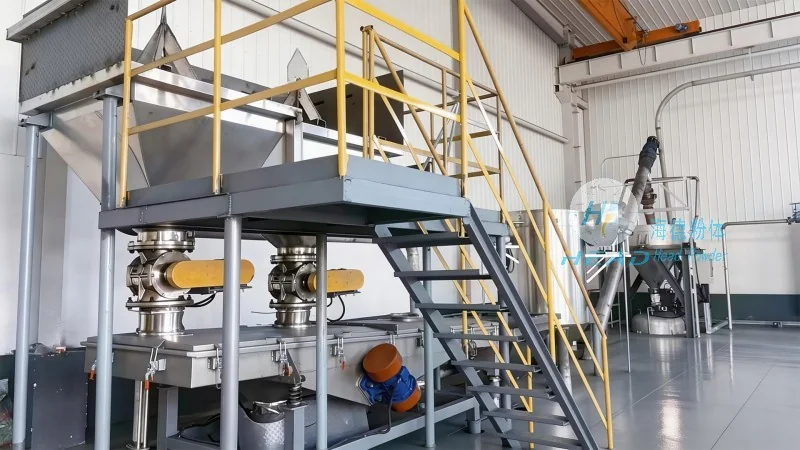
Beyond design, proper installation and operation practices are critical for preventing blockages: - Regular maintenance: Scheduling routine inspections and cleaning of pipelines, filters, and components helps identify and address potential blockage causes early. This includes checking for wear, debris, or moisture buildup. - Material preparation: Ensuring adipic acid is properly dried and sieved before loading into the system reduces agglomeration and improves flow characteristics. - System start-up procedures: Following a standardized start-up sequence (e.g., preheating the system, gradually increasing air pressure) helps prevent sudden pressure changes that can cause blockages. - Training and monitoring: Operators should be trained on system operation and blockage prevention techniques. Continuous monitoring of system performance ensures prompt intervention if blockages occur.
Conclusion
Implementing a well-designed pneumatic conveying system with appropriate design parameters and regular maintenance is essential for preventing pipeline blockages in adipic acid transport. By addressing factors such as air velocity, pipeline layout, and material handling, industries can achieve efficient, reliable, and cost-effective transport of adipic acid. The expertise of companies like Shandong HeadPowder Engineering Co., Ltd. in designing and implementing such systems ensures that clients receive tailored solutions that meet their specific operational needs.