HeadPowder, a leading engineering firm based in Shandong, China, specializes in advanced material handling solutions, including the application of pneumatic conveying technology for aluminum sulfate transport. This article explores the practical implementation and optimization strategies of pneumatic conveying systems tailored for aluminum sulfate, addressing key challenges and enhancing operational efficiency.
Understanding Pneumatic Conveying for Aluminum Sulfate
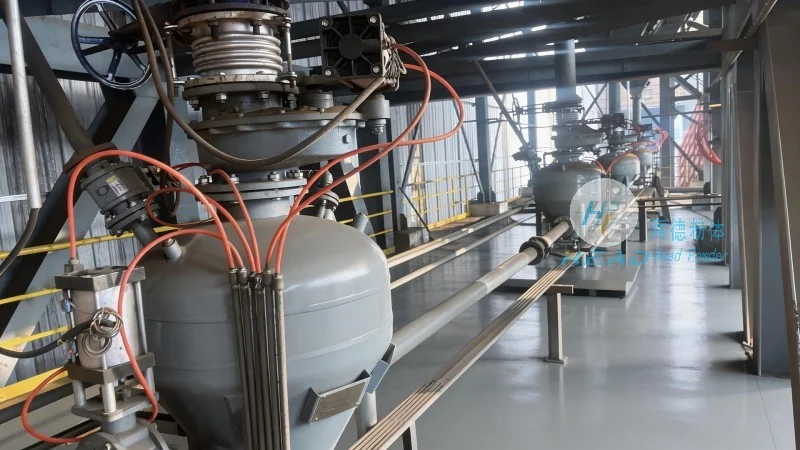
Aluminum sulfate, commonly used in water treatment, paper manufacturing, and chemical processing, presents unique handling challenges due to its granular or powdered form and varying moisture content. Traditional bulk material transport methods, such as belt conveyors or bucket elevators, may struggle with dust generation, material degradation, and system downtime. Pneumatic conveying offers a solution by utilizing air pressure to move material through a sealed pipeline system, reducing environmental impact and improving safety. The technology is particularly effective for handling fine powders and granules, ensuring consistent flow and minimal loss.
Key Advantages of Pneumatic Conveying in Aluminum Sulfate Transport
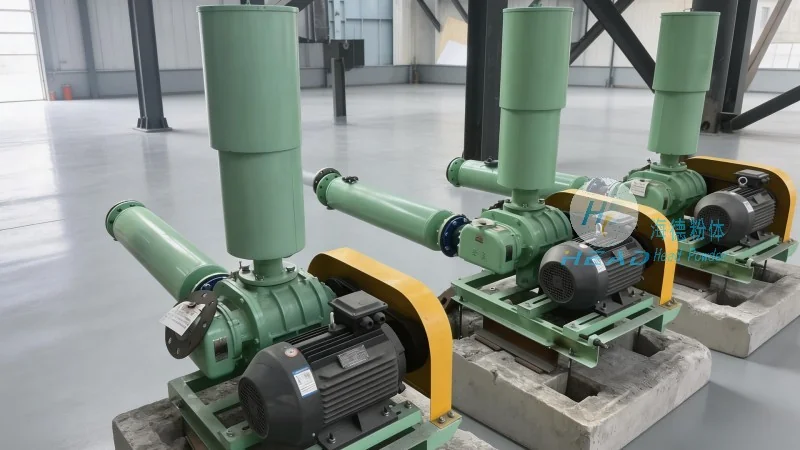
Implementing pneumatic conveying for aluminum sulfate transport brings several benefits that enhance overall operational performance. First, the sealed system minimizes dust exposure, which is critical for maintaining workplace safety and compliance with environmental regulations. This also reduces material loss during transport, as compared to open systems where particles may escape or settle. Second, the technology allows for flexible system design, enabling vertical, horizontal, or mixed-direction transport based on plant layout and process requirements. This adaptability simplifies integration with existing infrastructure and minimizes installation costs. Third, pneumatic conveying systems can operate at higher speeds and pressures, reducing overall transport time and increasing throughput. The ability to handle varying material characteristics, such as different particle sizes or moisture levels, further enhances system reliability and longevity.
Optimization Strategies for Pneumatic Conveying Systems
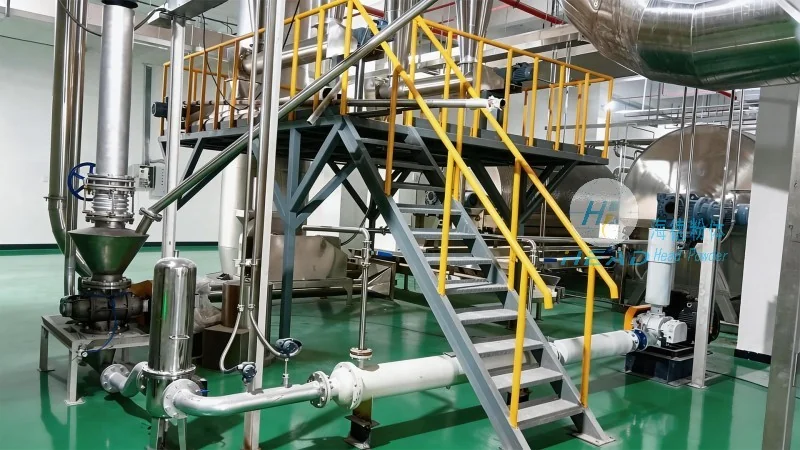
To maximize the efficiency of pneumatic conveying systems for aluminum sulfate, several optimization strategies are essential. Proper system sizing is critical, as over or under-sizing can lead to reduced performance or increased energy consumption. Engineers at HeadPowder conduct thorough material analysis to determine the optimal air velocity and pressure required for the specific aluminum sulfate formulation. This involves considering factors like particle size distribution, bulk density, and moisture content, which directly impact system design parameters. Additionally, the selection of appropriate pipeline materials and components is crucial to prevent corrosion or material buildup, especially in environments with high humidity or acidic conditions. HeadPowder utilizes corrosion-resistant materials, such as stainless steel or specialized coatings, to ensure long-term system integrity. Another key optimization is the integration of control systems that monitor and adjust air pressure, flow rates, and material levels in real-time. This dynamic control helps maintain consistent transport conditions, preventing system bottlenecks or surges that could lead to material degradation or equipment damage.
Case Study: HeadPowder's Pneumatic Conveying Solution for a Chemical Plant
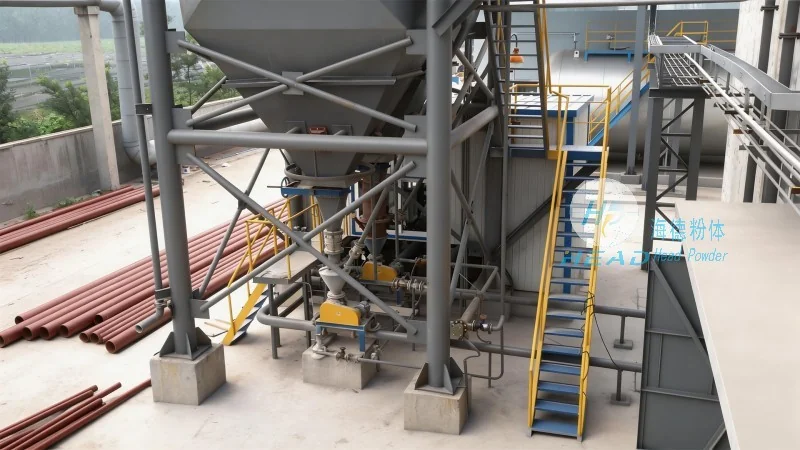
A recent project by HeadPowder involved designing and implementing a pneumatic conveying system for a chemical plant in Shandong, China, that processes aluminum sulfate for water treatment applications. The plant required a system to transport raw aluminum sulfate from storage silos to a processing unit, with a capacity of 50 tons per hour. The existing layout included vertical and horizontal segments, necessitating a mixed-direction conveying system. HeadPowder's engineering team conducted a comprehensive analysis of the material properties, including particle size (ranging from 100 to 500 microns) and moisture content (around 5%), to determine the optimal air velocity of 20 m/s and pressure of 0.6 MPa. The system was designed with stainless steel pipelines and a positive displacement blower to ensure reliable transport. Post-implementation, the plant reported a 30% reduction in material loss compared to previous open conveyor systems, and operational downtime decreased by 40% due to reduced maintenance needs. The sealed system also eliminated dust-related safety hazards, improving workplace conditions and compliance with local environmental regulations.
Conclusion and Future Outlook
Pneumatic conveying technology offers a robust and efficient solution for aluminum sulfate transport, addressing the unique challenges associated with handling fine powders. HeadPowder's expertise in designing and optimizing such systems ensures that clients achieve enhanced operational performance, improved safety, and reduced costs. As material handling requirements continue to evolve, the integration of advanced control systems and material-specific design considerations will remain critical for maximizing the benefits of pneumatic conveying. For businesses seeking to upgrade their aluminum sulfate transport processes, partnering with a specialized engineering firm like HeadPowder can provide tailored solutions that meet both current and future operational needs.




