HeadPowder, a leading engineering firm based in Shandong, China, specializes in innovative solutions for material handling, particularly in the application of pneumatic conveying technology for coal gangue transportation. This article explores the practical implementation and optimization strategies of pneumatic conveying systems in coal gangue handling processes, highlighting the technical advancements and operational benefits that enhance efficiency and reliability in industrial applications.
Understanding Pneumatic Conveying Technology for Coal Gangue
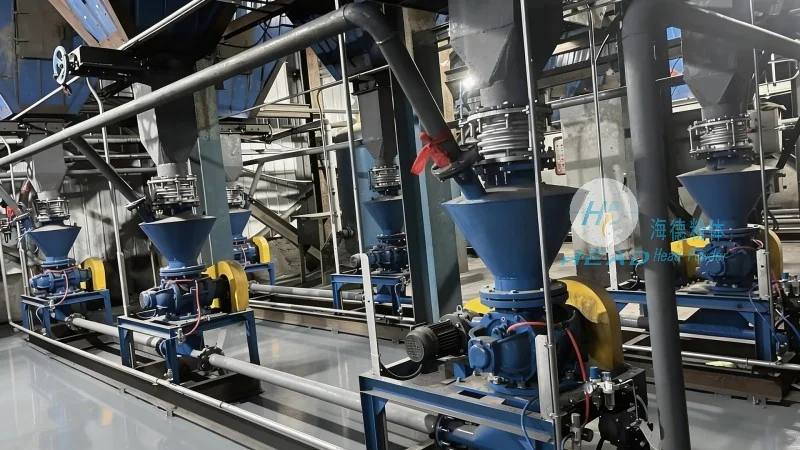
Pneumatic conveying, also known as air-pneumatic transport, is a method of transporting bulk materials through a pipeline using a stream of pressurized or vacuum air. In the context of coal gangue, which is a byproduct of coal mining and processing, this technology offers a non-contact, low-maintenance, and highly efficient means of moving large volumes of material over considerable distances. Unlike traditional mechanical conveyors, pneumatic systems eliminate the need for moving parts in contact with the material, reducing wear and tear and minimizing the risk of material contamination. This makes them particularly suitable for handling abrasive or corrosive materials like coal gangue, which can otherwise damage conventional conveyor components.
Key Advantages of Pneumatic Conveying in Coal Gangue Handling
Implementing pneumatic conveying systems for coal gangue offers several critical advantages that improve overall operational performance. First, the technology enables the transportation of materials over long distances with minimal energy consumption compared to other methods like truck or rail transport. This reduces transportation costs and environmental impact by lowering fuel usage and emissions. Second, the system's flexibility allows for multiple loading and unloading points, enabling complex material flow patterns that can be adjusted to meet changing production demands. Third, pneumatic conveying systems are highly adaptable to different material characteristics, including varying particle sizes and moisture content, which is common in coal gangue. The ability to handle diverse material properties without significant modifications to the system enhances its versatility and applicability across various industrial settings.
Optimization Strategies for Pneumatic Conveying Systems in Coal Gangue Applications
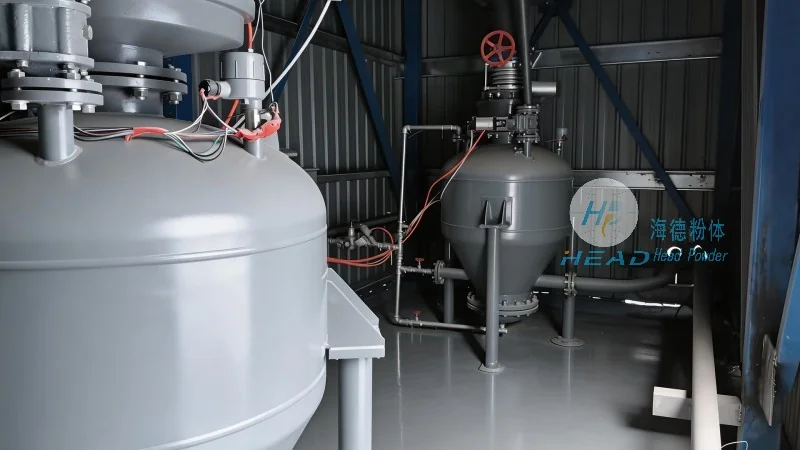
To maximize the efficiency and reliability of pneumatic conveying systems in coal gangue transportation, several optimization strategies are employed. One key approach is the design of the system's air flow and pressure parameters. Engineers at HeadPowder carefully calculate the required air velocity and pressure to ensure that the material is effectively suspended and transported without causing excessive wear on the pipeline or components. This involves considering factors such as the material's bulk density, particle size distribution, and moisture content, as these variables directly impact the air requirements for conveying. Another optimization strategy is the selection of appropriate pipeline materials and diameters. Using corrosion-resistant materials like stainless steel or special coatings helps to prevent degradation from the acidic or abrasive nature of coal gangue, extending the system's service life. Additionally, the integration of advanced control systems allows for real-time monitoring of the conveying process, enabling operators to adjust parameters dynamically and respond to changes in material flow or system performance. This proactive approach minimizes downtime and ensures consistent material handling performance.
Case Study: Successful Implementation by HeadPowder
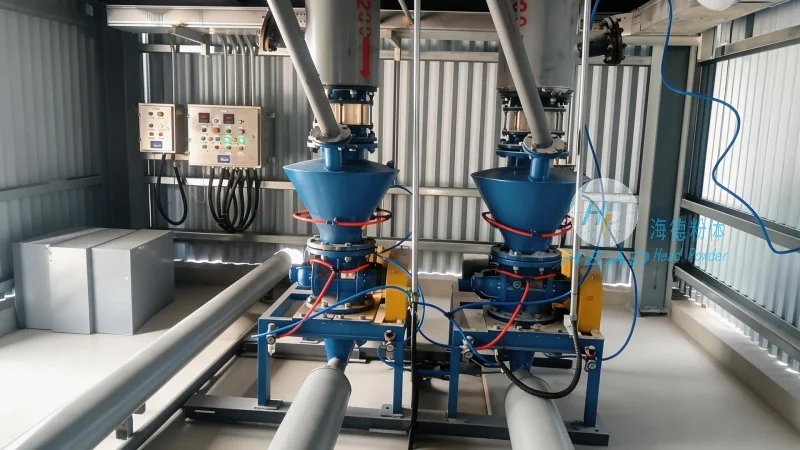
A recent project undertaken by Shandong HeadPowder Engineering Co., Ltd. demonstrates the effectiveness of optimized pneumatic conveying systems in coal gangue handling. The client, a coal processing facility in Shandong, required a solution to transport large volumes of coal gangue from the mining site to the processing plant over a distance of 2 kilometers. The existing mechanical conveyor system was inefficient and prone to breakdowns due to the abrasive nature of the material. HeadPowder's engineering team designed a custom pneumatic conveying system that utilized high-pressure air and a series of vertical and horizontal pipelines. The system was optimized for the specific characteristics of the coal gangue, including its high moisture content and varying particle sizes. The result was a significant improvement in material throughput, with the system achieving a 30% increase in capacity compared to the previous mechanical conveyor. Furthermore, the pneumatic system reduced maintenance costs by 50% over a 12-month period, as there were no moving parts in contact with the material. The project also demonstrated the environmental benefits of the system, as it eliminated the need for trucks to transport the gangue, reducing emissions and traffic congestion in the area.
Conclusion and Future Outlook
As industrial processes continue to evolve, the application of advanced material handling technologies like pneumatic conveying becomes increasingly critical for optimizing coal gangue transportation. HeadPowder's expertise in designing and implementing customized pneumatic systems ensures that clients can achieve efficient, reliable, and cost-effective material handling solutions. By focusing on system optimization, including air flow management, pipeline selection, and advanced control systems, the company helps its clients maximize the performance of their conveying operations. The success of projects like the one described highlights the potential of pneumatic conveying technology to revolutionize coal gangue handling, offering a sustainable and efficient alternative to traditional methods. With ongoing advancements in engineering and material science, the future of pneumatic conveying in coal gangue applications looks promising, with continued improvements in efficiency, reliability, and environmental performance.




