

Preventing Dust Leakage in Pneumatic Conveying Systems for Monosodium Glutamate Transport
Efficient and safe material handling is a critical concern in the food processing industry, especially when dealing with products like monosodium glutamate (MSG). Pneumatic conveying systems offer a solution for transporting such powders, but they often present challenges related to dust leakage and product contamination. This article explores effective strategies to prevent dust leakage in pneumatic conveying systems specifically when transporting MSG, highlighting the expertise of Shandong HeadPowder Engineering Co., Ltd. as a leading provider of specialized engineering solutions.
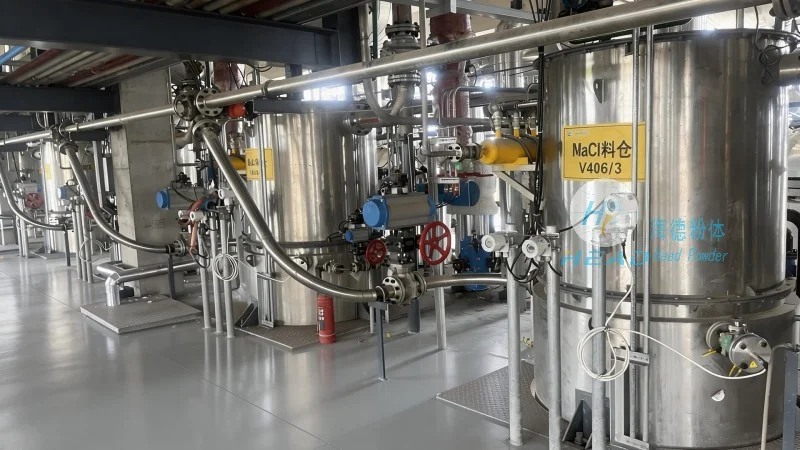
Understanding the Challenges of Pneumatic Conveying for MSG
Monosodium glutamate is a fine powder used widely in the food industry as a flavor enhancer. Its small particle size and hygroscopic nature make it prone to generating dust during handling. Pneumatic conveying systems, which use air to move powders through pipelines, can exacerbate dust issues if not properly designed or maintained. Dust leakage not only poses health and safety risks but also leads to product loss and environmental contamination. Therefore, implementing robust measures to prevent dust leakage is essential for maintaining operational efficiency and compliance with industry standards.
Key Factors Influencing Dust Leakage in Pneumatic Systems
Several factors contribute to dust leakage in pneumatic conveying systems for MSG. The design of the system, including the type of equipment used (e.g., rotary valves, filters, and pipeline connections), plays a significant role. For instance, improper sealing of rotary valves can allow air and dust to escape, leading to leakage. Additionally, the material properties of the MSG, such as its flowability and tendency to agglomerate, affect how it behaves within the system. High moisture content or temperature variations can also impact dust generation and leakage. Understanding these factors is crucial for developing effective prevention strategies.
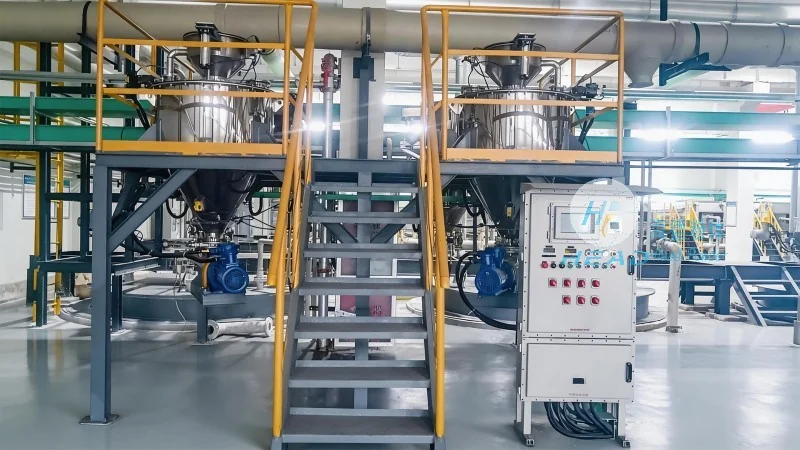
Engineering Solutions by Shandong HeadPowder Engineering Co., Ltd.
Shandong HeadPowder Engineering Co., Ltd. specializes in designing and manufacturing customized pneumatic conveying systems tailored to the unique requirements of the food industry. With years of experience, the company has developed advanced solutions to mitigate dust leakage during MSG transport. One key approach is the use of high-quality, airtight components. For example, their rotary valves are equipped with advanced sealing mechanisms that minimize air and dust leakage, ensuring a tight seal even under varying operational conditions. The company also employs state-of-the-art filtration systems that capture fine particles, preventing them from escaping into the environment.
Implementation of Sealing and Enclosure Technologies
Effective dust control in pneumatic conveying systems involves a combination of sealing technologies and proper enclosure design. Shandong HeadPowder Engineering Co., Ltd. utilizes advanced sealing solutions, such as positive pressure sealing and negative pressure sealing, depending on the specific application. Positive pressure systems maintain a slight overpressure in the conveying line, preventing external air from entering and carrying dust out. Conversely, negative pressure systems create a slight vacuum, drawing air and dust back into the system. Enclosure designs, including dust collection hoods and exhaust filters, are integrated to capture any escaped particles, ensuring compliance with environmental regulations.
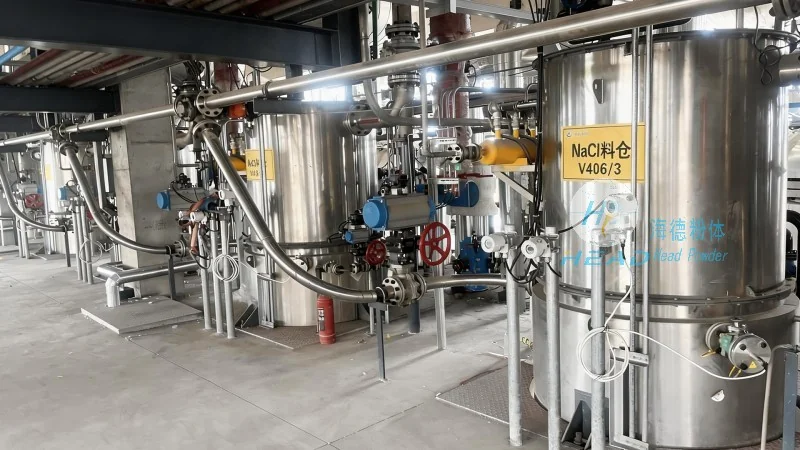
Regular Maintenance and Monitoring for Long-Term Performance
Preventing dust leakage is not a one-time solution but requires ongoing maintenance and monitoring. Shandong HeadPowder Engineering Co., Ltd. emphasizes the importance of regular inspections and maintenance schedules to ensure the system operates at optimal efficiency. This includes checking for wear and tear on sealing components, cleaning filters regularly, and monitoring air pressure and flow rates. By implementing a proactive maintenance program, companies can extend the lifespan of their pneumatic conveying systems and minimize the risk of dust leakage over time.
Conclusion: Ensuring Safe and Efficient MSG Transport
Preventing dust leakage in pneumatic conveying systems for monosodium glutamate is a multifaceted challenge that requires a combination of advanced engineering, proper equipment selection, and regular maintenance. Shandong HeadPowder Engineering Co., Ltd. offers comprehensive solutions tailored to the needs of the food processing industry, ensuring safe and efficient transport of MSG while minimizing environmental impact. By adopting these strategies, companies can enhance operational efficiency, reduce product loss, and comply with industry standards, ultimately contributing to a safer and more sustainable food processing environment.