Shandong HeadPowder Engineering Co., Ltd., a leading provider of industrial conveying solutions, specializes in optimizing material handling processes for various industries. When it comes to transporting calcium carbide powder, selecting the right conveying method is crucial for efficiency, safety, and operational costs. Two primary approaches are widely used: positive pressure conveying and negative pressure conveying. Understanding the differences between these methods is essential for making an informed decision that aligns with your specific operational needs.
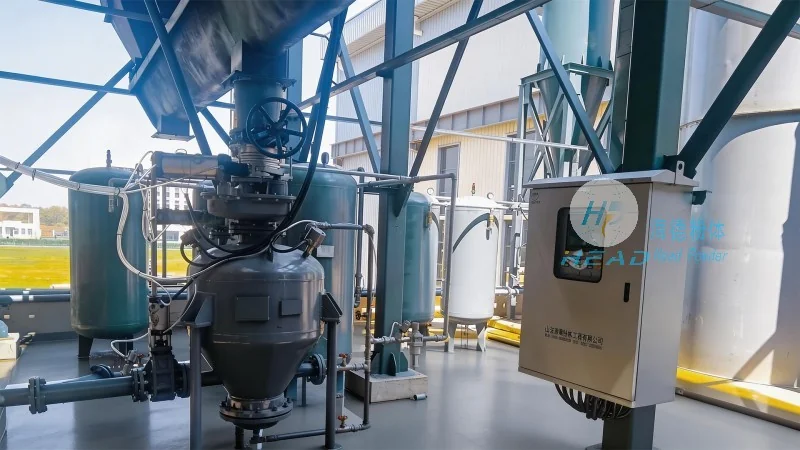
Differentiating Positive Pressure and Negative Pressure Conveying
Positive pressure conveying, also known as pressure pneumatic conveying, involves forcing air or gas through the material to move it from the source to the destination. This method typically uses a blower or compressor to generate the necessary pressure, pushing the powder through a pipeline. In contrast, negative pressure conveying, or vacuum pneumatic conveying, creates a vacuum in the system, drawing the powder into the pipeline by suction. Each approach has distinct characteristics that influence its suitability for different applications.
Key Factors in Choosing Between Conveying Systems
Several factors should be considered when deciding between positive and negative pressure systems. The first is the distance and layout of the conveying line. Positive pressure systems are generally more suitable for longer distances and complex layouts due to their ability to maintain consistent pressure. Negative pressure systems, however, are often preferred for shorter distances or when the material is to be collected from multiple points. Another critical factor is the nature of the material itself. Calcium carbide powder is a fine, abrasive substance that can cause wear on equipment. Positive pressure systems may experience higher wear rates due to the direct impact of the powder on the pipeline walls, while negative pressure systems can reduce this wear by using a more gentle suction action.
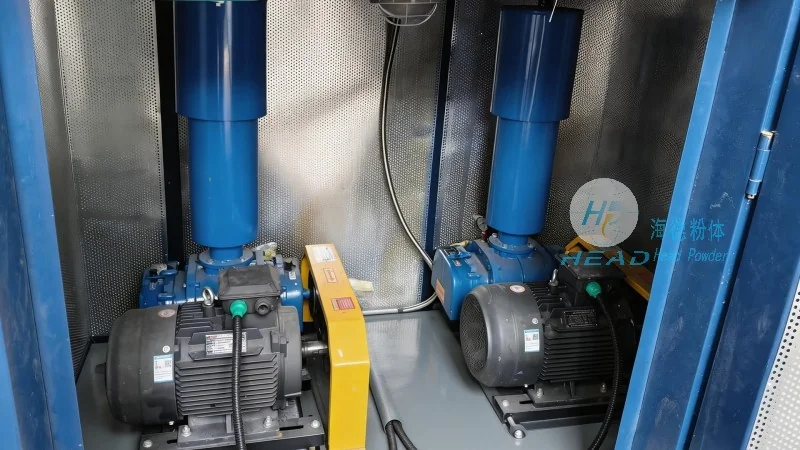
Advantages and Disadvantages of Positive Pressure Conveying
Positive pressure conveying offers several advantages. It provides a high degree of control over the flow rate and pressure, ensuring consistent material movement. This method is also effective for handling materials that are prone to caking or agglomeration, as the pressure helps break up clumps. However, it has notable disadvantages. The high pressure can lead to increased energy consumption and higher maintenance costs due to the wear on components like pipelines and valves. Additionally, positive pressure systems may pose safety risks if the material is hazardous, as the pressurized air can disperse particles into the environment.
Advantages and Disadvantages of Negative Pressure Conveying
Negative pressure conveying has its own set of advantages. It typically requires less energy compared to positive pressure systems, as the vacuum is created by a smaller motor or fan. This can result in lower operational costs over time. The suction action also minimizes the risk of dust emissions, making it a safer option for handling potentially hazardous materials. However, negative pressure systems have limitations. They are generally less effective for long-distance conveying and may struggle with materials that are very fine or have high moisture content, as these can cause blockages in the pipeline. The vacuum system also requires regular maintenance to prevent dust accumulation and ensure optimal performance.
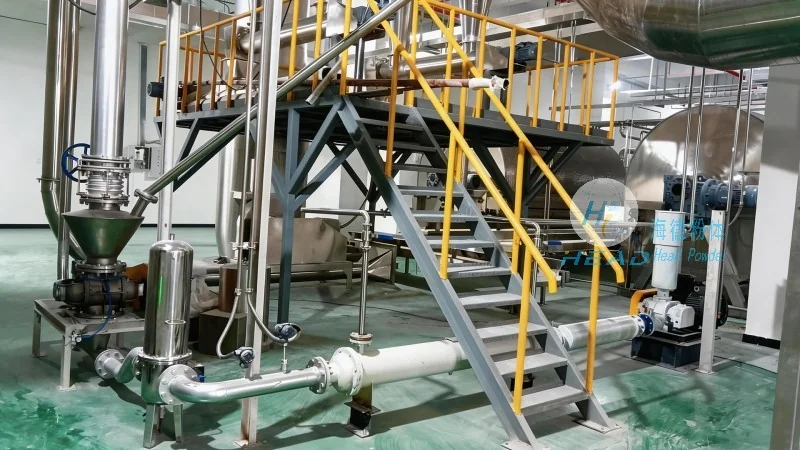
Application Examples for Calcium Carbide Powder Conveying
Real-world applications help illustrate the practical differences between the two methods. For instance, in a large-scale calcium carbide production facility, positive pressure conveying might be used to transport the powder from the grinding mill to a storage silo located several hundred meters away. The high pressure ensures that the material moves efficiently through the long pipeline without clogging. On the other hand, a smaller processing plant might use negative pressure conveying to collect the powder from a hopper and transfer it to a mixing unit within a short distance. The gentle suction action is sufficient for this application and reduces the risk of dust exposure for the operators.
Conclusion and Recommendations
Choosing between positive pressure and negative pressure conveying for calcium carbide powder depends on a careful evaluation of operational requirements, material characteristics, and cost considerations. Positive pressure systems are ideal for long-distance, high-volume applications where consistent flow is critical. Negative pressure systems are better suited for shorter distances or when safety and energy efficiency are primary concerns. By understanding the strengths and limitations of each method, businesses can select the most appropriate conveying solution to enhance productivity and ensure safe operation.




