

Technical Analysis of PE Pellet Pneumatic Conveying Systems: Comparison of Positive Pressure vs. Neg
PE (Polyethylene) pellets are widely used in various industrial applications, and efficient material handling is crucial for maintaining production efficiency. Pneumatic conveying systems offer a flexible and effective solution for transporting PE pellets over short to medium distances. This article provides a technical analysis of PE pellet pneumatic conveying systems, focusing on the comparison between positive pressure and negative pressure conveying modes. We will explore the fundamental principles, operational characteristics, and practical considerations of each mode, helping you make an informed decision for your specific application needs.
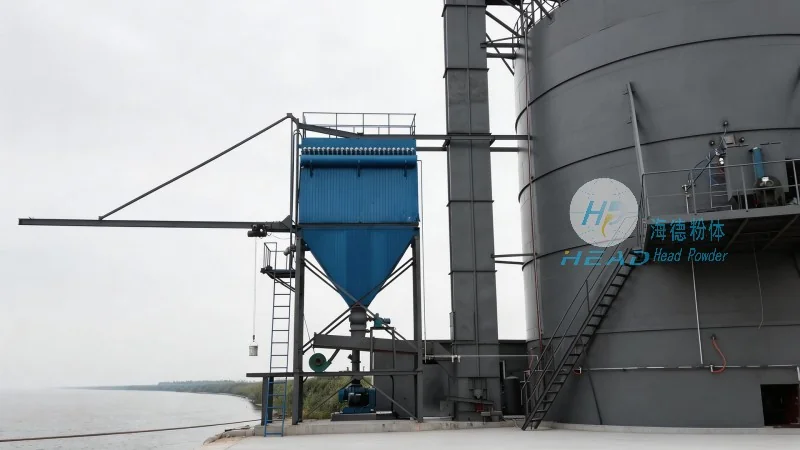
Understanding Pneumatic Conveying Modes
Pneumatic conveying systems utilize air or gas to transport bulk materials through a pipeline. The two primary modes are positive pressure and negative pressure systems. Understanding the differences between these modes is essential for selecting the right system for PE pellet handling.
Positive Pressure Conveying Systems
Positive pressure systems operate by blowing air or gas into the material stream, creating a pressure higher than the ambient air pressure. This mode is often preferred for applications requiring high material throughput and long-distance transport. The system typically includes a blower or compressor at the inlet, which forces air through the pipeline, carrying the PE pellets forward. A key advantage of positive pressure systems is their ability to handle abrasive materials without excessive wear on the system components. Additionally, they can be designed to operate in a closed loop, minimizing dust emissions and improving safety in industrial environments. However, positive pressure systems may require more robust equipment and higher energy consumption compared to negative pressure systems.
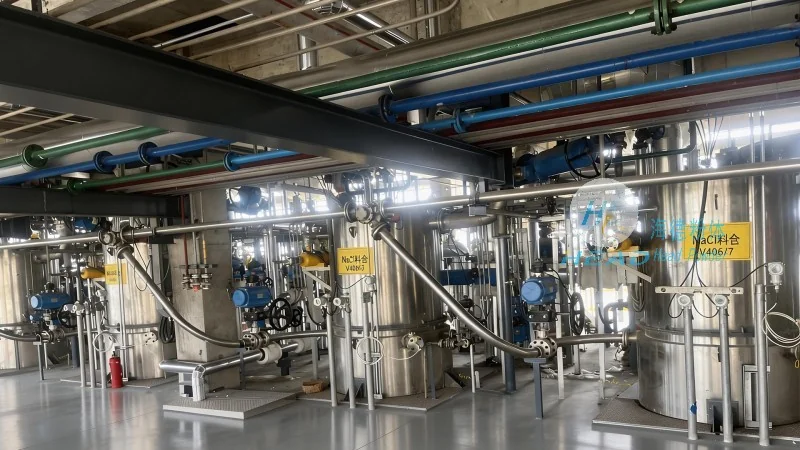
Negative Pressure Conveying Systems
Negative pressure systems, also known as vacuum systems, operate by creating a vacuum at the inlet, drawing the material and air into the pipeline. This mode is commonly used for short to medium-distance transport and applications where dust control is a priority. The system includes a vacuum pump at the inlet, which pulls the material and air through the pipeline to the discharge point. Negative pressure systems are generally more energy-efficient for short distances and can handle lighter materials with less pressure drop. However, they may be less suitable for abrasive or high-density materials, as the vacuum can cause material degradation or blockages in the pipeline. The design of negative pressure systems also requires careful consideration of air leakage and system sealing to maintain the vacuum level.
Key Considerations for Choosing the Right Mode
When selecting between positive and negative pressure conveying modes for PE pellet handling, several factors should be considered. The first is the distance of material transport: positive pressure systems are better suited for longer distances, while negative pressure systems are ideal for shorter distances. The second is the material characteristics, such as particle size, density, and abrasiveness. Positive pressure systems are generally more effective for handling abrasive PE pellets, while negative pressure systems may be preferred for lighter or more delicate materials. The third is the environmental and safety requirements: negative pressure systems excel in dust control, making them suitable for applications where air quality is a concern. Finally, the system cost and energy consumption should be evaluated. Positive pressure systems may have higher initial costs and energy usage, but they offer higher throughput and flexibility for long-distance transport.
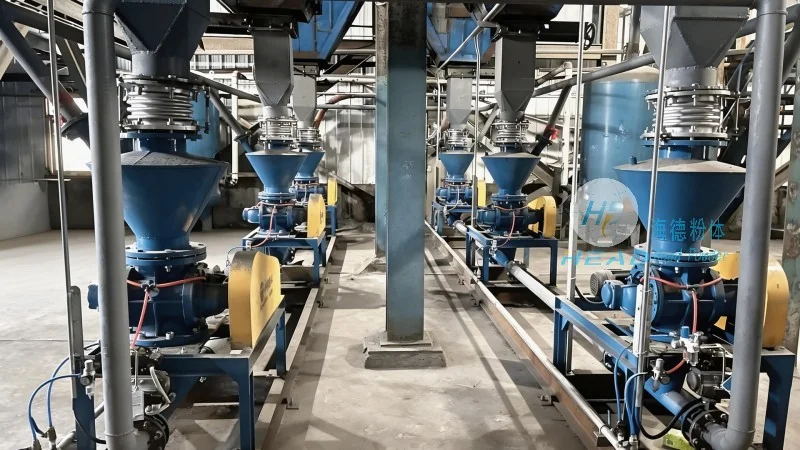
HeadPowder's Expertise in PE Pellet Pneumatic Conveying
Shandong HeadPowder Engineering Co., Ltd., a leading manufacturer of pneumatic conveying systems, specializes in providing customized solutions for PE pellet handling. With years of experience in the industry, HeadPowder has developed advanced systems that incorporate the latest technology to optimize performance and efficiency. The company's team of engineers and technicians works closely with clients to understand their specific requirements and design systems that meet their operational needs. Whether you need a positive pressure or negative pressure system, HeadPowder offers a range of options tailored to your application. The company's products are manufactured with high-quality materials and undergo rigorous testing to ensure reliability and durability. HeadPowder also provides comprehensive after-sales support, including installation, maintenance, and technical assistance, to ensure that your system operates at peak performance.
Conclusion
Choosing the right pneumatic conveying mode for PE pellet handling is a critical decision that impacts production efficiency, material quality, and operational costs. By understanding the differences between positive and negative pressure systems and considering factors such as transport distance, material characteristics, and environmental requirements, you can select the most suitable system for your needs. Shandong HeadPowder Engineering Co., Ltd. is a trusted partner in providing advanced pneumatic conveying solutions, helping you achieve optimal performance and reliability in your PE pellet handling operations.