When selecting a pneumatic conveying system for glass fiber cellulose, the choice between positive pressure and negative pressure methods is critical. Both systems offer distinct advantages and are suitable for different operational scenarios. Understanding the operational differences, equipment requirements, and material compatibility is essential for optimizing the conveying process and minimizing costs.
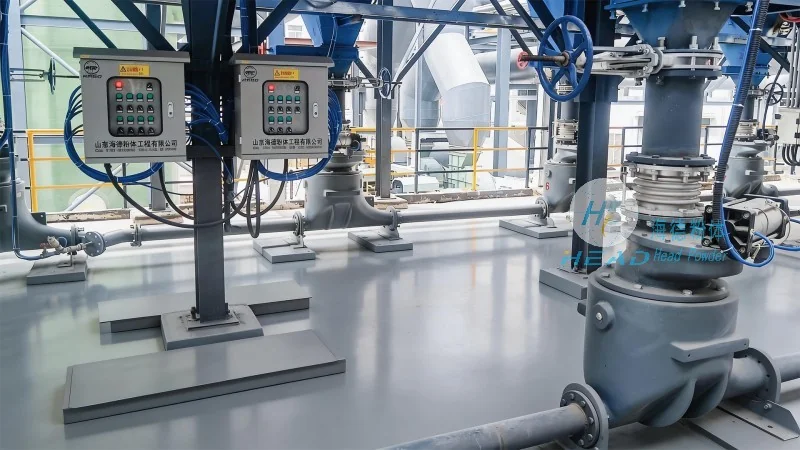
Overview of Pneumatic Conveying for Glass Fiber Cellulose
Glass fiber cellulose is a fine, often abrasive material commonly used in various industrial applications. Transporting this material efficiently requires a system that can handle its properties without causing excessive wear or compromising material quality. Pneumatic conveying systems provide a solution by using air or gas to move the material through a pipeline. The two primary types are positive pressure and negative pressure systems, each with unique characteristics that influence their suitability for glass fiber cellulose transport.
Positive Pressure Pneumatic Conveying Systems
Positive pressure systems operate by forcing air or gas into the conveying line, creating a pressure higher than the ambient environment. This pressure pushes the material through the pipeline. For glass fiber cellulose, positive pressure systems are typically used for short to medium transport distances, such as moving material from a storage silo to processing equipment. The system includes a blower or compressor at the inlet, which supplies the necessary pressure to move the material. This approach is effective for materials that are not highly sensitive to air exposure or abrasion, as the high-pressure air can accelerate wear on system components like pipes and valves. The energy consumption of positive pressure systems is generally higher due to the constant pressure maintenance, which may increase operational costs over time.
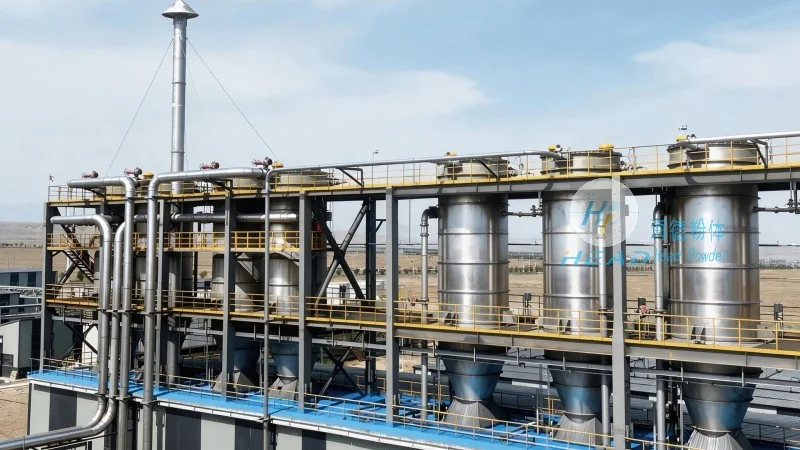
Negative Pressure Pneumatic Conveying Systems
Negative pressure systems, also known as vacuum systems, create a vacuum inside the conveying line to draw the material from the source into the system. The material and air mixture is then transported to the destination, where the material is separated from the air. For glass fiber cellulose, negative pressure systems are often preferred for longer distances or when the material needs to be collected from multiple points and transported to a central location. The vacuum is generated by a fan or ejector at the inlet, which pulls the material through the pipeline. This method reduces the risk of material spillage and dust emissions at the source, making it suitable for materials that are sensitive to air exposure or require a controlled environment during transport. Negative pressure systems typically have lower energy consumption compared to positive pressure systems, as they operate at lower pressures, which can lead to reduced maintenance and operational costs.
Distinguishing Between Positive and Negative Pressure Systems
The primary distinction between positive and negative pressure systems lies in their operational principle: pressure versus suction. Positive pressure systems rely on external pressure to push material, while negative pressure systems use internal vacuum to pull material. This difference affects system design, equipment selection, and operational performance. For glass fiber cellulose, the choice depends on several factors, including the distance of transport, the number of pick-up points, the material's abrasiveness, and the desired level of dust control. Positive pressure systems are more suitable for short distances and when the material is less abrasive or not highly sensitive to air exposure, as the high-pressure air can cause wear on components. Negative pressure systems are better for longer distances and when the material is more sensitive to air or requires dust containment.
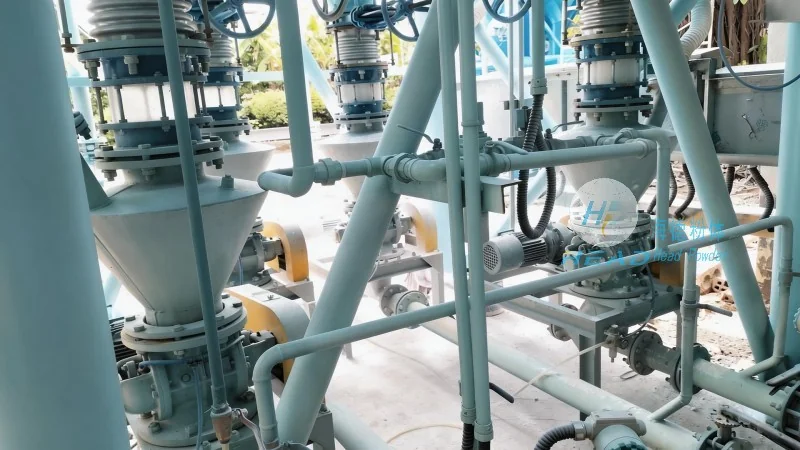
Key Considerations for Selection
Several factors should guide the decision between positive and negative pressure for glass fiber cellulose pneumatic conveying. The first is the transport distance. Positive pressure systems are generally limited to shorter distances due to the pressure requirements and potential for system wear. Negative pressure systems can handle longer distances more efficiently as the vacuum can be maintained over extended lengths without significant pressure loss. The second factor is the number of pick-up points. Positive pressure systems can accommodate multiple pick-up points by using a manifold or series of blowers, but this increases complexity and cost. Negative pressure systems can also handle multiple pick-up points, though the vacuum must be maintained across all points, which may require larger fans or ejectors.
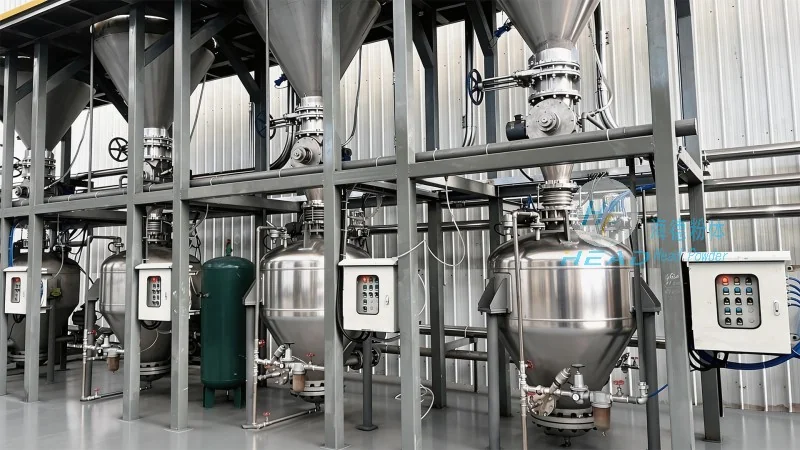
The third consideration is material properties. Glass fiber cellulose is a fine, abrasive material that can cause wear on system components. Positive pressure systems, with their high-pressure air, may lead to faster wear on pipes and valves. Negative pressure systems, by drawing material into the system, reduce wear on inlet and pick-up equipment. Additionally, the material's dust generation and sensitivity to air exposure are critical. Positive pressure systems may release more dust into the environment, while negative pressure systems help contain dust at the source. Finally, cost is a significant factor. Positive pressure systems may have lower initial costs but higher maintenance due to wear from high-pressure air. Negative pressure systems may have higher initial costs due to larger fans or ejectors but lower maintenance as they operate at lower pressures.
Conclusion
Choosing between positive pressure and negative pressure for glass fiber cellulose pneumatic conveying requires a thorough evaluation of operational needs and material characteristics. Positive pressure systems are ideal for short to medium distances and when the material is less abrasive or not highly sensitive to air exposure. Negative pressure systems are better suited for longer distances, multiple pick-up points, and materials that require dust control or are sensitive to air. By carefully assessing these factors, one can select the most appropriate system to ensure efficient, cost-effective, and reliable transport of glass fiber cellulose.




