

Polystyrene Air Conveying: Choosing Positive Pressure vs. Negative Pressure - How to Distinguish?
Polystyrene, a versatile plastic widely used in packaging, insulation, and various industrial applications, often requires efficient material handling solutions. Air conveying is a common method for transporting polystyrene particles, but the choice between positive pressure and negative pressure systems can significantly impact operational efficiency, cost, and safety. Understanding the distinctions between these two approaches is crucial for optimizing material flow in industrial processes.
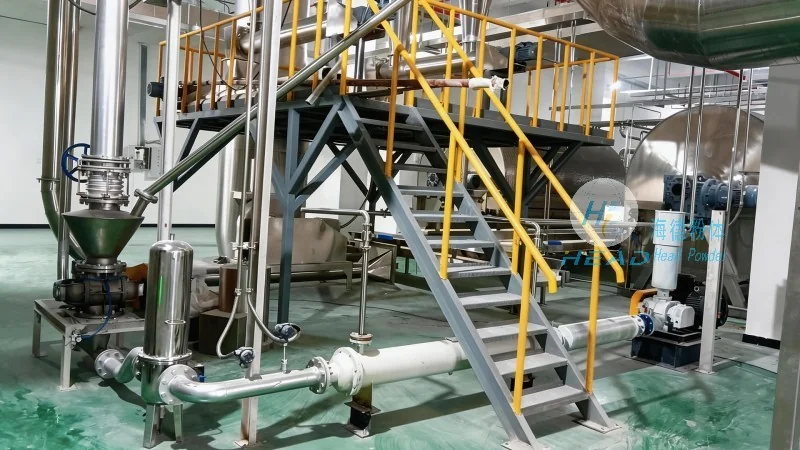
Understanding Positive Pressure Air Conveying
Positive pressure air conveying, also known as pressure conveying, operates by blowing air into the conveying line to move material. This method typically uses a blower or compressor to generate the necessary pressure, pushing the polystyrene particles through the system. The key advantages of positive pressure systems include higher conveying velocities, which can handle longer distances and larger particle sizes more effectively. Additionally, positive pressure systems are generally more suitable for abrasive or heavy materials, as the higher air pressure helps maintain particle integrity and reduces wear on equipment.
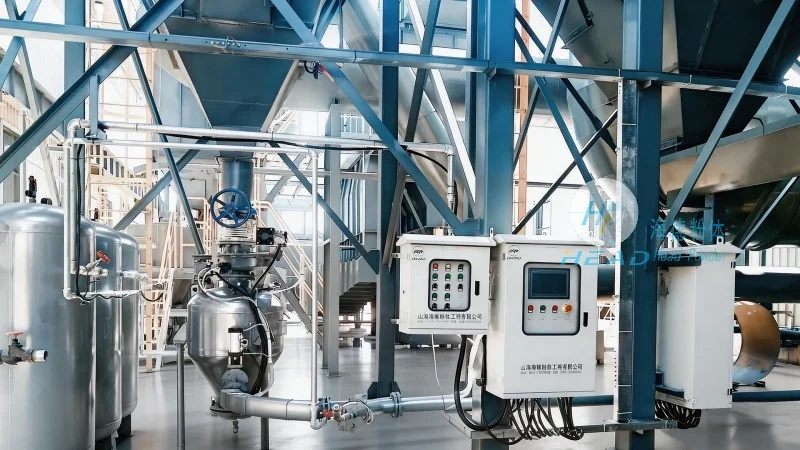
Understanding Negative Pressure Air Conveying
Negative pressure air conveying, or vacuum conveying, works by creating a vacuum in the conveying line to draw material from the source. A vacuum pump generates the low pressure, pulling polystyrene particles into the system. This method is often preferred for handling lighter, more delicate materials, as the lower air velocity reduces the risk of particle breakage. Negative pressure systems are also advantageous for applications where dust control is critical, as the sealed system prevents emissions from escaping into the environment.
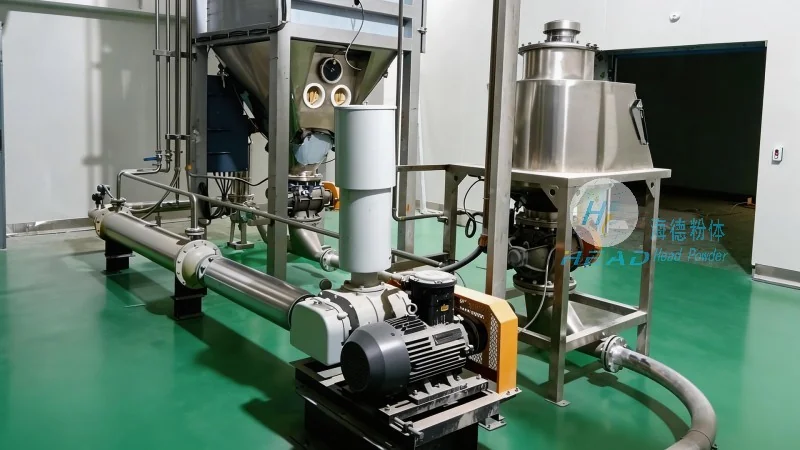
Distinguishing Between Positive and Negative Pressure Systems
When deciding between positive and negative pressure for polystyrene air conveying, several factors should be considered. The first is the material characteristics: positive pressure is ideal for polystyrene with higher density or larger particle sizes, while negative pressure is better suited for fine or lightweight polystyrene powders. The second factor is the conveying distance and layout of the system. Positive pressure systems are more efficient for longer distances due to their higher air velocity, whereas negative pressure may be limited by the vacuum pump's capacity for longer runs. Cost is another critical consideration. Positive pressure systems generally require more robust equipment, such as high-pressure blowers, which can increase initial investment and maintenance costs. In contrast, negative pressure systems use smaller vacuum pumps, potentially reducing upfront expenses but possibly increasing energy consumption over time.
Application Scenarios and Practical Examples
Practical applications of positive pressure air conveying for polystyrene include the transport of large polystyrene beads or pellets from storage silos to processing lines over distances of several hundred meters. The high air velocity ensures that the material moves quickly and efficiently, minimizing downtime. For example, in a packaging plant, positive pressure conveying can be used to move polystyrene from a hopper to a molding machine, where the material is used to create foam products. On the other hand, negative pressure systems are commonly used in applications involving fine polystyrene powders, such as in the production of insulation boards. The vacuum system draws the fine particles from a hopper into a mixing or extrusion line, ensuring a consistent and dust-free material flow.
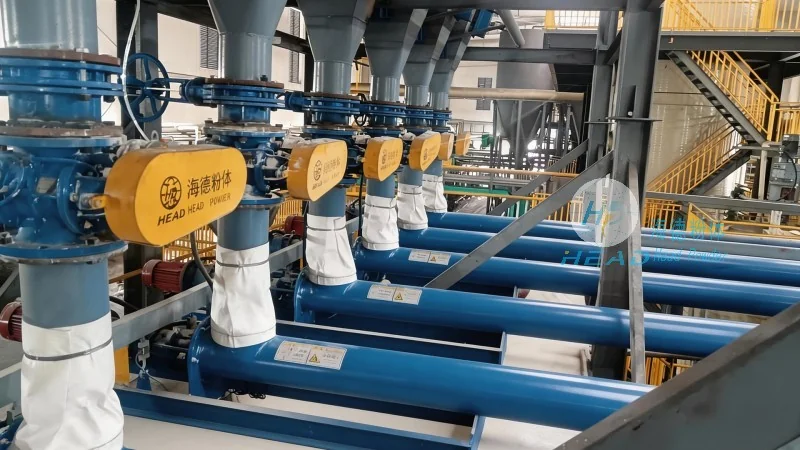
Role of Shandong HeadPowder Engineering Co., Ltd. in Polystyrene Air Conveying Solutions
Shandong HeadPowder Engineering Co., Ltd., a leading provider of material handling solutions, specializes in designing and implementing air conveying systems tailored to the unique needs of polystyrene applications. With years of experience in the industry, the company understands the critical factors that influence the choice between positive and negative pressure systems. By conducting thorough assessments of material properties, conveying distances, and operational requirements, HeadPowder engineers can recommend the most suitable system configuration. The company offers comprehensive services, including system design, equipment selection, installation, and maintenance, ensuring that clients achieve optimal performance and efficiency. HeadPowder's expertise in both positive and negative pressure technologies allows them to provide customized solutions that meet specific industrial demands, whether it's for high-volume production or precision processing of polystyrene materials.