

Analysis of Activated Carbon Pneumatic Conveying Technology: Comparison of Positive and Negative Pre
Activated carbon is a vital material in numerous industrial processes, and its efficient handling through pneumatic conveying systems is crucial for maintaining operational efficiency and product quality. Pneumatic conveying technology enables the transport of activated carbon from storage to processing units without mechanical components like conveyor belts or buckets. This method is widely adopted due to its ability to handle fine powders and reduce contamination risks. However, the choice between positive pressure and negative pressure systems significantly impacts system performance, energy consumption, and operational safety. This article provides a detailed analysis of the two primary modes of pneumatic conveying for activated carbon, highlighting their respective advantages, limitations, and suitable applications.
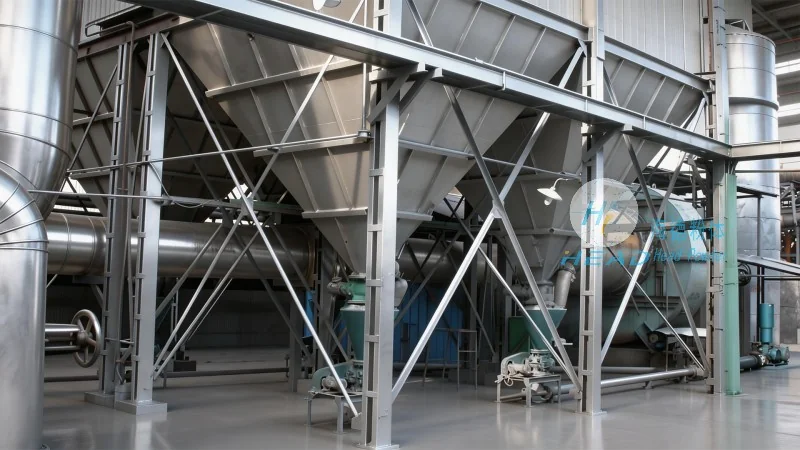
Understanding Pneumatic Conveying Systems
Pneumatic conveying systems utilize air or gas to transport bulk materials like activated carbon through a pipeline network. The fundamental principle involves creating a pressure differential to move the material from the source to the destination. The two main categories are positive pressure and negative pressure systems, each with distinct operational characteristics and design considerations.
Positive Pressure Pneumatic Conveying Mode
Positive pressure systems operate by blowing air or gas into the conveying line, creating a pressure higher than the ambient atmosphere. This pressurized air propels the activated carbon particles forward through the pipeline. The system typically includes a blower or fan at the inlet, which supplies the necessary air volume and pressure to move the material. Positive pressure conveyors are often preferred for long-distance or high-capacity applications, as they can maintain consistent flow rates over extended distances.
A key advantage of positive pressure systems is their ability to handle abrasive or corrosive materials, such as certain types of activated carbon, without significant wear on the system components. The pressurized environment also helps in controlling dust emissions, as the material is enclosed within the pipeline, reducing exposure to the atmosphere. However, these systems require robust blower units and may have higher energy consumption compared to negative pressure alternatives. Additionally, the risk of pressure buildup and potential safety hazards, such as over-pressurization, necessitates careful system design and maintenance.
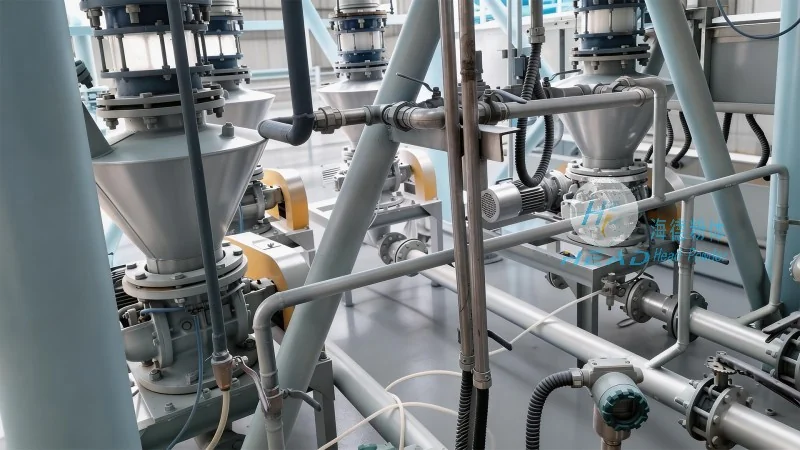
Negative Pressure Pneumatic Conveying Mode
Negative pressure systems, also known as suction or vacuum conveyors, operate by creating a vacuum in the conveying line, drawing the activated carbon particles into the pipeline. The system uses a vacuum pump or fan to create a pressure lower than the ambient air, which pulls the material from the source to the destination. Negative pressure conveyors are commonly used for short-distance or low-capacity applications, as the suction force is generally less effective over longer distances or with larger material volumes.
One of the primary benefits of negative pressure systems is their lower energy consumption and reduced noise levels compared to positive pressure systems. The vacuum pump operates at lower pressures, making it more energy-efficient for smaller-scale operations. Additionally, the system is less prone to pressure-related safety issues, as it relies on suction rather than compression. However, negative pressure conveyors are more susceptible to clogging and material buildup in the pipeline, especially with fine or sticky activated carbon particles. The vacuum environment also increases the risk of dust inhalation and requires effective filtration systems to maintain air quality.
Comparison of Positive and Negative Pressure Modes
When selecting a pneumatic conveying system for activated carbon, it is crucial to evaluate the specific requirements of the application, including material characteristics, distance, capacity, and operational constraints. The choice between positive and negative pressure modes depends on several factors, such as the particle size, moisture content, and flowability of the activated carbon, as well as the available space and budget for the system.
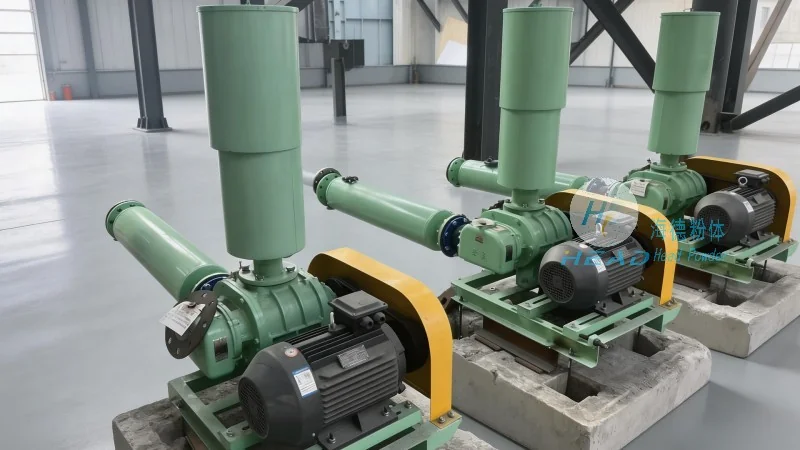
Positive pressure systems are generally more suitable for high-capacity, long-distance transport of activated carbon, particularly when dealing with abrasive or corrosive materials. They offer better control over dust emissions and can handle larger particle sizes without significant degradation in performance. However, the higher energy consumption and potential safety risks associated with pressurized systems may make them less attractive for applications with strict energy efficiency or safety regulations.
Negative pressure systems are ideal for low-capacity, short-distance applications, especially where noise and energy consumption are critical factors. They are well-suited for handling fine or sticky activated carbon particles, as the suction force can effectively draw the material without causing excessive friction or wear. However, the risk of clogging and the need for robust filtration systems may limit their use in high-volume or demanding industrial environments.
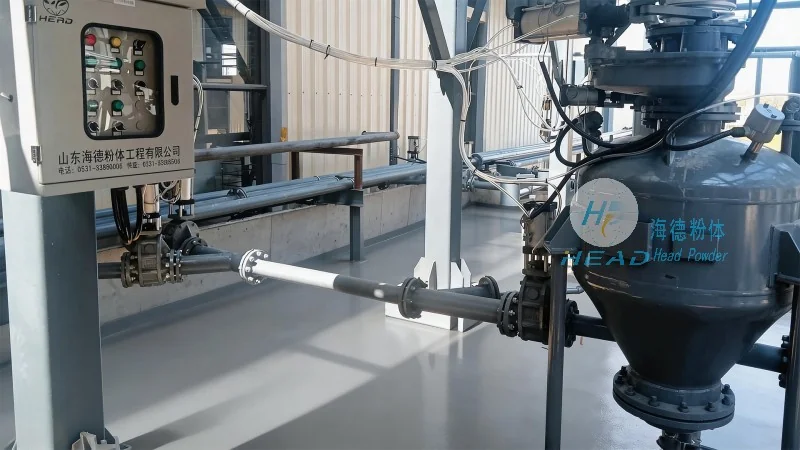
Application Considerations and Best Practices
For optimal performance and longevity of pneumatic conveying systems, several best practices should be followed. Regular maintenance of the blower or vacuum pump is essential to ensure consistent air flow and pressure. The pipeline should be inspected periodically for signs of wear, corrosion, or blockages, especially in areas where abrasive activated carbon particles may cause damage. Proper sealing of the system components is crucial to prevent air leaks, which can reduce efficiency and increase energy consumption.
Additionally, the selection of appropriate filters and dust collection systems is vital to maintain air quality and comply with environmental regulations. Activated carbon, being a fine powder, can easily become airborne during transport, posing health risks if not properly contained. The use of high-efficiency particulate air (HEPA) filters or other advanced filtration technologies can effectively capture fine particles and ensure safe operation.
Conclusion
In conclusion, both positive and negative pressure pneumatic conveying modes offer viable solutions for transporting activated carbon, each with its own set of advantages and limitations. The choice between the two depends on the specific operational requirements, material characteristics, and environmental considerations of the application. By understanding the principles and performance characteristics of each system, industrial operators can select the most suitable technology to enhance efficiency, reduce costs, and ensure safe handling of activated carbon.