When it comes to the pneumatic transport of paper chips, the choice between negative pressure and positive pressure conveying systems is a critical decision for industries involved in paper processing and material handling. Both methods have distinct characteristics that impact efficiency, cost, and operational safety. This article provides a detailed comparison of the advantages and disadvantages of negative pressure and positive pressure conveying in the context of paper chip transportation, helping stakeholders make informed choices for their specific applications.
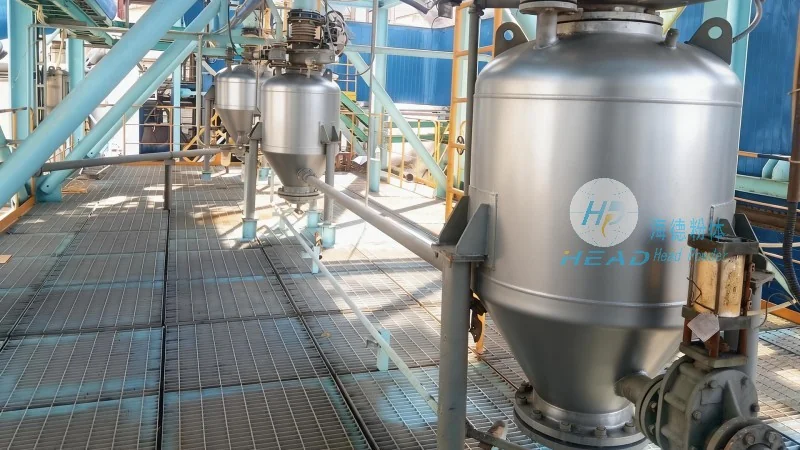
Negative Pressure Conveying in Paper Chip Transport
Negative pressure conveying, also known as suction conveying, operates by creating a low-pressure zone in the conveying line, which draws the material (paper chips) into the system using a vacuum. This method is particularly suitable for applications where the material needs to be transported from multiple sources or over longer distances without the need for high-pressure air. The primary advantage of negative pressure conveying is its ability to handle fine or lightweight particles with minimal degradation, as the low velocity and gentle handling reduce the risk of material breakage or dust generation. Additionally, this system is often more energy-efficient for short to medium distances, as it requires less power to maintain the vacuum compared to high-pressure systems.
However, negative pressure conveying has several limitations. One major drawback is its susceptibility to blockages and clogging, especially when dealing with wet or sticky paper chips. The vacuum system can easily become compromised if the line is obstructed, leading to operational interruptions and increased maintenance costs. Another concern is the potential for dust and particulate matter to escape into the environment, as the system relies on external air intake to maintain the vacuum, which may not be fully filtered. Furthermore, the initial setup and equipment costs for negative pressure systems can be higher due to the need for robust vacuum pumps and filtration systems.
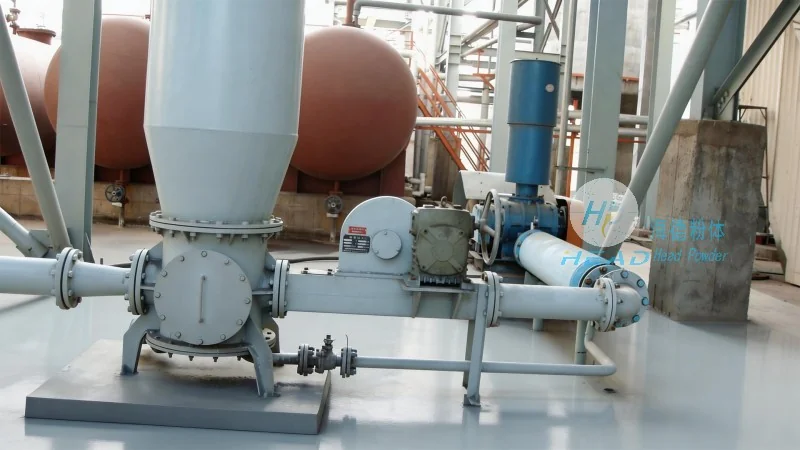
Positive Pressure Conveying in Paper Chip Transport
Positive pressure conveying, or pressure conveying, works by forcing air or a carrier gas through the conveying line at a high pressure, pushing the material (paper chips) along the pipeline. This method is ideal for applications requiring high throughput, short to medium distances, and when the material is dry and free-flowing. The key advantage of positive pressure conveying is its ability to handle larger volumes of material with consistent performance, as the high pressure ensures that the material is continuously moved through the system. It also offers better control over material flow and can be more effective in preventing blockages compared to negative pressure systems, as the pressure helps to keep the line clear.
Nevertheless, positive pressure conveying comes with its own set of disadvantages. The most significant drawback is the higher energy consumption, as it requires powerful compressors to maintain the high pressure, leading to increased operational costs over time. Additionally, the system can generate more noise and vibration due to the high-pressure air movement, which may require additional noise control measures. Another concern is the potential for material degradation, especially for delicate paper chips, as the high velocity of the air can cause abrasion or breakage. Furthermore, the initial investment for positive pressure systems is often higher due to the need for high-capacity compressors and more robust pipeline components.
Key Factors to Consider When Choosing Between Conveying Systems
When deciding between negative pressure and positive pressure conveying for paper chip transport, several factors must be carefully evaluated. The first consideration is the distance and layout of the conveying system. For longer distances or multiple pick-up points, negative pressure conveying may be more suitable due to its ability to draw material from various sources. Conversely, for shorter distances and high-volume applications, positive pressure conveying is often preferred for its efficiency and reliability. The nature of the material is another critical factor; if the paper chips are fine, lightweight, or prone to dust, negative pressure conveying may be better to minimize degradation. However, if the material is dry, free-flowing, and requires high throughput, positive pressure conveying is more appropriate.
Operational costs and energy efficiency are also key considerations. Negative pressure systems are generally more energy-efficient for shorter distances but can be less cost-effective for longer runs due to higher maintenance and equipment costs. Positive pressure systems, while more expensive to operate, offer better performance and reliability for high-volume applications. Safety and environmental factors should not be overlooked. Negative pressure systems may pose a risk of dust emissions unless properly filtered, while positive pressure systems can generate noise and require additional safety measures. The overall budget and long-term operational goals of the company are essential in making the final decision.
Conclusion: Balancing Efficiency and Practicality
In conclusion, both negative pressure and positive pressure conveying systems have their unique advantages and disadvantages in the context of paper chip pneumatic transport. The choice between the two depends on a combination of factors, including the distance, material characteristics, operational requirements, and budget constraints. Negative pressure conveying excels in handling fine or delicate materials over longer distances with lower energy consumption, while positive pressure conveying is superior for high-volume, short-distance applications with consistent performance. By carefully analyzing these factors, industries can select the most suitable conveying system to optimize their paper chip transport operations, ensuring efficiency, cost-effectiveness, and operational safety.




