For the efficient and reliable transport of thermoplastic polyurethane (TPU) materials, pneumatic conveying systems have emerged as a critical solution in modern industrial processes. These systems utilize air or gas to move bulk materials through a pipeline network, offering advantages such as reduced equipment wear, enhanced safety, and improved process control. This article explores the various types of pneumatic conveying systems commonly employed in TPU transport and their practical applications, with a focus on the expertise of Shandong HeadPowder Engineering Co., Ltd., a leading provider in the field.
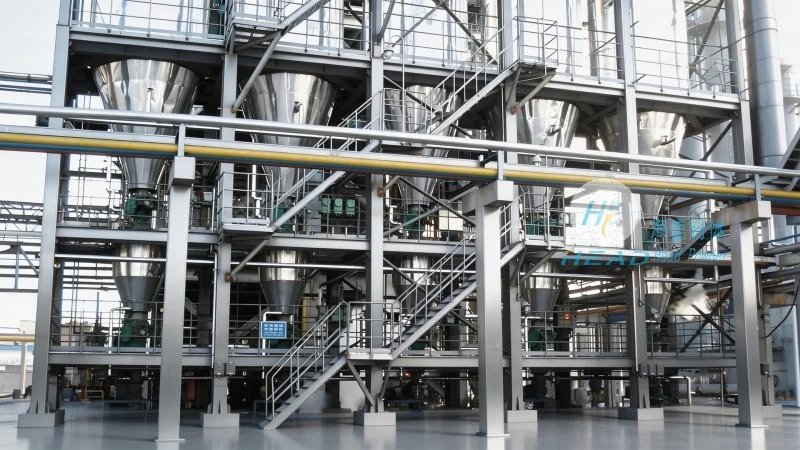
Introduction to Pneumatic Conveying Systems for TPU
Thermoplastic polyurethane is a versatile polymer widely used in manufacturing applications due to its excellent mechanical properties, flexibility, and resistance to abrasion. The transportation of TPU granules or powders requires specialized equipment to maintain material integrity and minimize degradation. Pneumatic conveying systems address these challenges by providing a closed-loop system that prevents contamination and dust exposure while ensuring consistent material flow. HeadPowder, as a professional engineering company based in Shandong, China, specializes in designing and implementing tailored pneumatic conveying solutions for TPU processing plants.
Types of Pneumatic Conveying Systems
Several types of pneumatic conveying systems are available, each with distinct characteristics suited to different operational requirements and material properties. The primary categories include positive pressure systems, negative pressure systems, and hybrid systems.
Positive Pressure Pneumatic Conveying
Positive pressure systems operate by blowing air or gas into the conveying line, creating a pressure higher than the ambient environment. This method is ideal for transporting materials over long distances or through complex piping networks. The system typically uses a blower or compressor to generate the necessary pressure, and the material is drawn into the pipeline by the moving air. For TPU, positive pressure systems are particularly effective when dealing with abrasive or sticky materials, as they minimize particle degradation and ensure a smooth flow. HeadPowder’s engineers often recommend this type for large-scale TPU production facilities that require high throughput and consistent material handling.
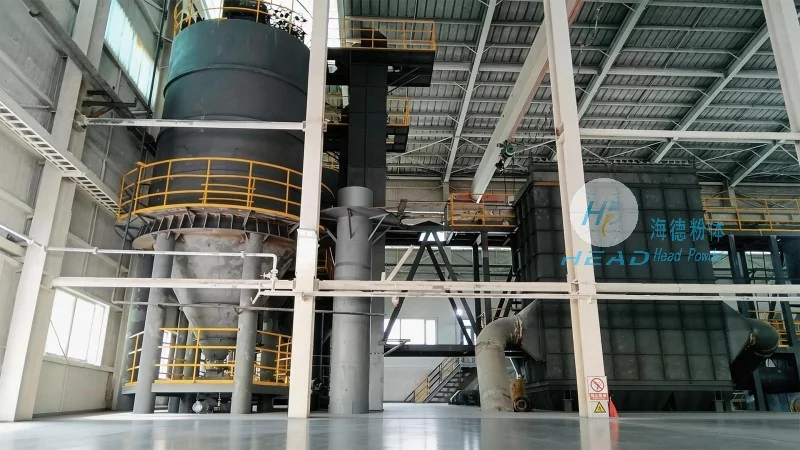
Negative Pressure Pneumatic Conveying
Negative pressure systems, also known as vacuum systems, create a lower pressure inside the conveying line compared to the surrounding environment. Air or gas is drawn into the system to pull the material from the source, such as a hopper or storage silo. This approach is well-suited for applications where material is to be collected from multiple points or where the source is located at a higher elevation. Negative pressure systems are generally more suitable for lighter materials or when the conveying distance is relatively short. In TPU processing, negative pressure systems are commonly used for transferring fine powders or granules from storage bins to processing equipment, ensuring minimal dust generation and efficient material recovery.
Hybrid Pneumatic Conveying Systems
Hybrid systems combine elements of both positive and negative pressure operations, offering flexibility in handling diverse material types and operational scenarios. These systems may use a combination of blowers and vacuum pumps to optimize material flow and energy efficiency. For TPU transport, hybrid systems are advantageous when dealing with varying material characteristics or when integrating multiple processing stages. HeadPowder’s customized solutions often incorporate hybrid designs to meet the specific needs of clients, ensuring optimal performance and cost-effectiveness.
Practical Applications in TPU Manufacturing
The practical application of pneumatic conveying systems in thermoplastic polyurethane production varies based on the manufacturing process and material handling requirements. Key applications include material transfer from storage to processing equipment, recycling of waste materials, and integration with automated production lines.
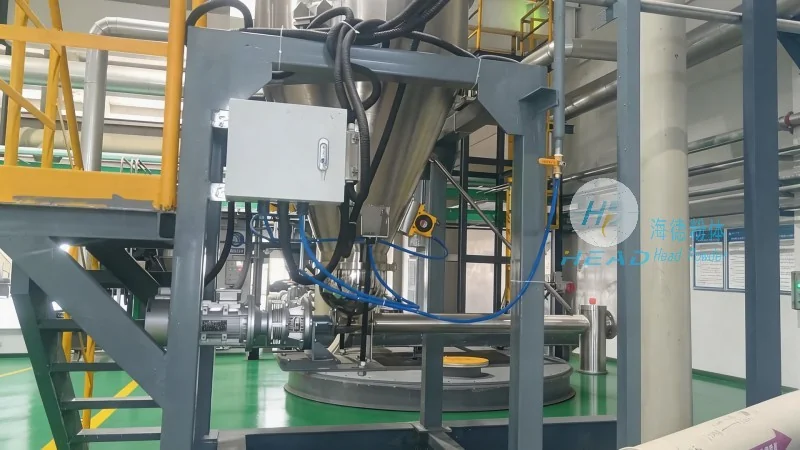
Material Transfer from Storage to Processing
In TPU production facilities, raw materials are often stored in bulk silos or hoppers. Pneumatic conveying systems enable the efficient transfer of TPU granules or powders from these storage units to the mixing or extrusion equipment. This process is critical for maintaining consistent material quality and reducing downtime caused by manual handling. HeadPowder has implemented numerous positive pressure systems for this application, ensuring reliable and continuous material flow. For example, a client in Shandong, China, utilized a positive pressure system to transport TPU from a 50-ton silo to an extrusion line, achieving a throughput of 10 tons per hour with minimal material loss.
Waste Material Recycling
Recycling waste materials is an essential aspect of sustainable TPU manufacturing. Pneumatic conveying systems facilitate the collection and reprocessing of scrap or off-spec materials. Negative pressure systems are particularly effective for this task, as they can efficiently collect fine particles from production lines and transport them to recycling units. HeadPowder’s solutions for waste recycling often involve vacuum systems that minimize contamination and ensure the recovered material meets quality standards. This approach not only reduces material costs but also supports environmental compliance in TPU production.
Integration with Automated Production Lines
Modern TPU manufacturing increasingly relies on automated production lines to enhance efficiency and precision. Pneumatic conveying systems can be integrated seamlessly with these lines to automate material handling processes. By connecting the conveying system to sensors and control systems, manufacturers can achieve real-time monitoring and adjustment of material flow. HeadPowder specializes in designing automated pneumatic conveying solutions that align with the client’s existing production infrastructure. This integration improves overall process control, reduces human error, and enhances the safety of material handling operations.
Benefits and Considerations for TPU Pneumatic Conveying
Implementing pneumatic conveying systems for TPU transport offers several benefits, including improved material handling efficiency, reduced operational costs, and enhanced safety. However, the selection of the appropriate system depends on factors such as material properties, conveying distance, and operational requirements.
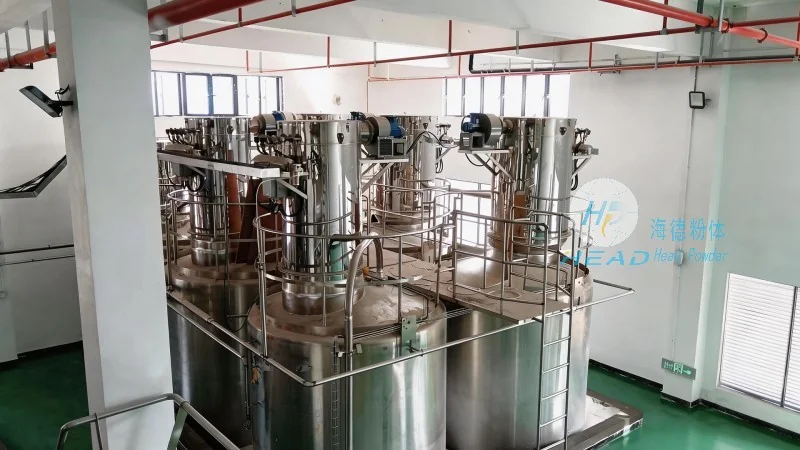
Key Benefits
One of the primary benefits of pneumatic conveying systems is the ability to handle TPU materials without direct contact with equipment, which minimizes wear and tear and preserves material quality. The closed-loop design also reduces dust exposure, improving workplace safety and environmental compliance. Additionally, these systems offer flexibility in terms of material flow control, allowing manufacturers to adjust throughput based on production demands. HeadPowder’s expertise in system design ensures that clients achieve these benefits while optimizing energy consumption and maintenance costs.
Important Considerations
When selecting a pneumatic conveying system for TPU transport, several factors must be considered to ensure optimal performance. Material characteristics, such as particle size, density, and abrasiveness, play a crucial role in determining the system type and components. For example, highly abrasive TPU particles may require specialized pipeline materials or wear-resistant components to prevent system damage. Conveying distance and the layout of the production facility also influence the choice between positive and negative pressure systems. HeadPowder’s engineering team conducts thorough assessments of these factors to recommend the most suitable system for each client, ensuring long-term reliability and efficiency.
Conclusion
Pneumatic conveying systems are indispensable for the efficient and safe transport of thermoplastic polyurethane materials in modern manufacturing. The various types of systems—positive pressure, negative pressure, and hybrid—offer tailored solutions to meet the diverse needs of TPU production facilities. With its expertise in engineering and design, Shandong HeadPowder Engineering Co., Ltd. provides customized pneumatic conveying solutions that enhance material handling efficiency, reduce costs, and support sustainable manufacturing practices. By leveraging the right system and professional guidance, TPU manufacturers can optimize their production processes and achieve higher productivity and quality standards.




