HeadPowder, a leading enterprise in pneumatic conveying technology, specializes in the design, production, and implementation of advanced powder handling solutions. With its headquarters in Shandong, China, the company has built a strong reputation as a reliable partner for industries requiring efficient and safe material transport. This article provides a comprehensive overview of the classification of powder pneumatic conveying systems and their practical applications, highlighting the expertise and solutions offered by Shandong HeadPowder Engineering Co., Ltd.
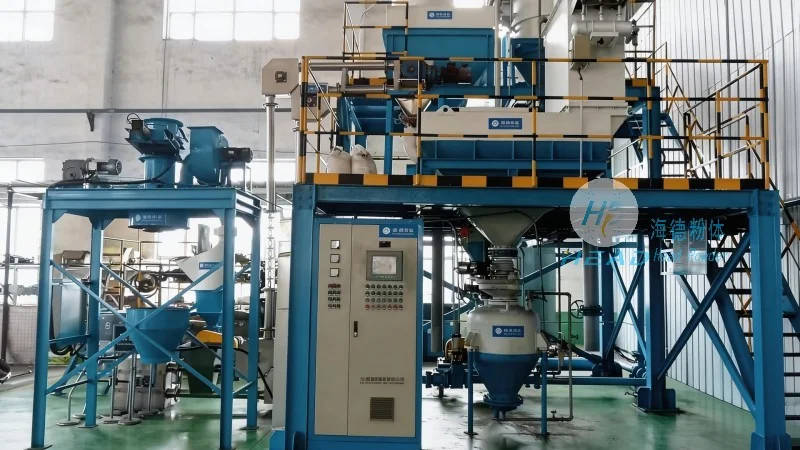
Classification of Powder Pneumatic Conveying Systems
Powder pneumatic conveying systems are primarily classified based on the pressure differential between the conveying line and the ambient environment. The main types include positive pressure systems, negative pressure systems, and mixed pressure systems. Each type is selected according to operational requirements and material characteristics.
Positive pressure systems operate by forcing air or gas into the conveying line, creating a pressure higher than the surrounding air pressure. This method is suitable for materials sensitive to moisture or contamination, as it maintains a sealed environment. Positive pressure systems are commonly used in the food processing, pharmaceutical, and chemical industries, where product integrity is critical.
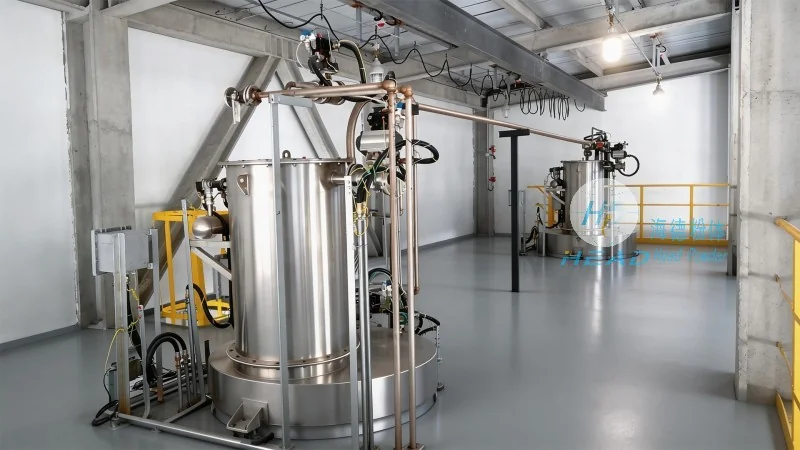
Negative pressure systems create a vacuum in the conveying line, drawing material from the source into the system. This approach is beneficial for handling dusty or hazardous materials, as it prevents particle release into the environment. Negative pressure systems are often employed in cement production, mining, and waste management sectors, where dust control is essential.
Mixed pressure systems combine elements of both positive and negative pressure, offering flexibility in material handling. These systems can switch between positive and negative pressure modes based on process needs. This adaptability makes mixed pressure systems suitable for diverse applications, including bulk material transport in agricultural and industrial settings.
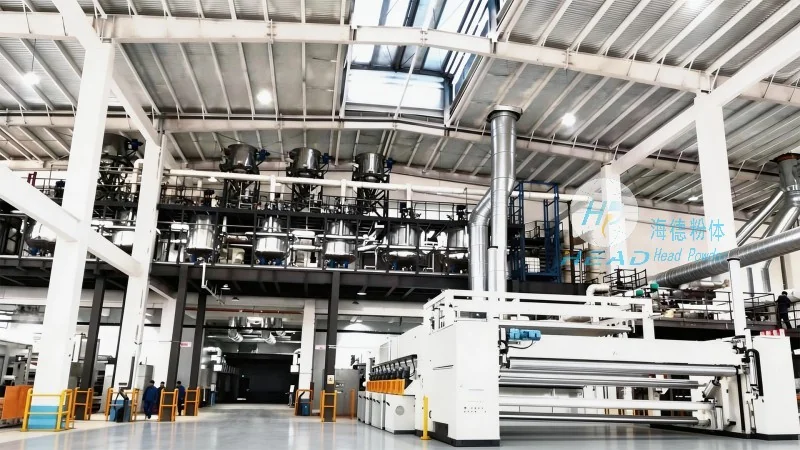
Application Analysis of Pneumatic Conveying Systems
In the chemical industry, pneumatic conveying systems are utilized to transport raw materials and finished products, ensuring a continuous and controlled production process. The systems can handle abrasive and corrosive powders without causing wear or contamination, which is a key advantage.
Within the food and beverage sector, pneumatic conveying systems are employed to transport ingredients such as flour, sugar, and spices. These systems are designed to meet hygiene standards, with stainless steel components and sealed lines that prevent cross-contamination. This ensures compliance with stringent quality and safety regulations.
The pharmaceutical industry relies on pneumatic conveying systems for the transport of active pharmaceutical ingredients (APIs) and other sensitive materials. Advanced filtration and cleaning mechanisms are integrated to prevent any contamination, which is crucial for maintaining the efficacy and safety of medicinal products.
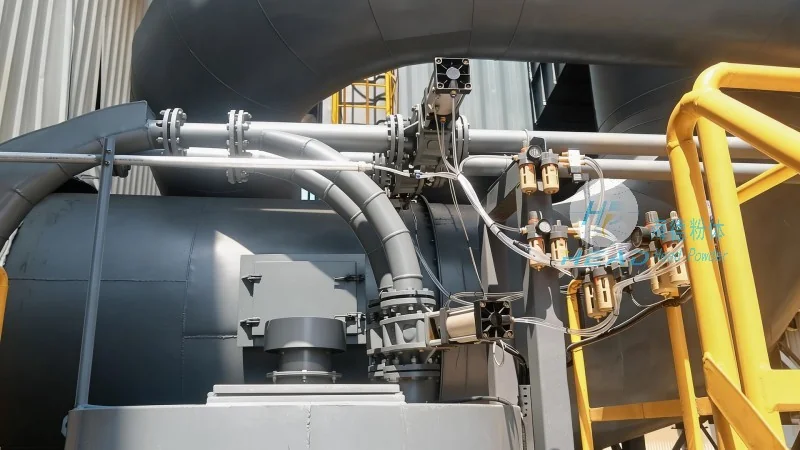
In the mining and construction sectors, pneumatic conveying systems are used to transport bulk materials like ores, coal, and cement. These systems are engineered to handle high volumes and abrasive materials, reducing manual handling and improving operational efficiency. They also contribute to better dust management, enhancing workplace safety.
Company Information and Location
Shandong HeadPowder Engineering Co., Ltd. is located in Shandong, China. The company's position in this region provides easy access to key industrial hubs and raw material sources, facilitating efficient production and distribution of pneumatic conveying systems. HeadPowder is committed to delivering high-quality, customized solutions tailored to each client's unique needs, ensuring optimal performance and reliability in powder handling applications.




