Shandong HeadPowder Engineering Co., Ltd., commonly known as headpowder, is a professional engineering company based in Shandong, China. With years of experience in the field of material handling and processing, the company specializes in providing advanced solutions for the transportation of industrial materials, including desulfurization gypsum. Our expertise lies in designing and implementing efficient pneumatic conveying systems tailored to meet the specific needs of our clients.
What is Desulfurization Gypsum Pneumatic Conveying?
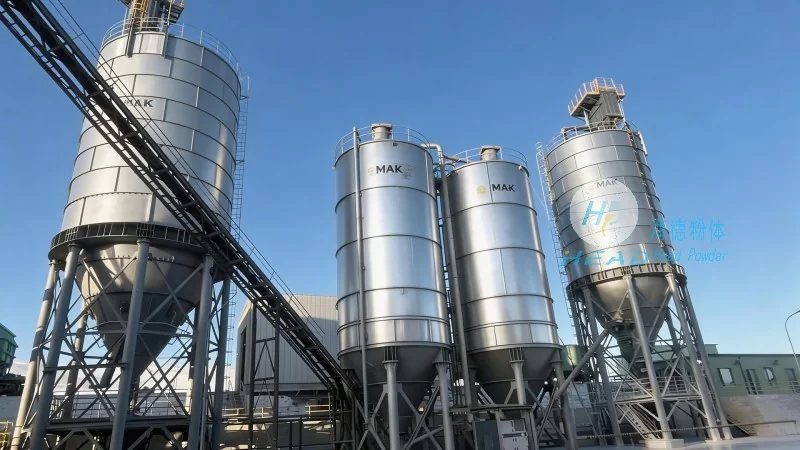
Desulfurization gypsum, also known as FGD gypsum, is a byproduct generated from the flue gas desulfurization process in power plants and other industrial facilities. It is a fine, powdery material that requires reliable and efficient transportation methods for handling and utilization. Pneumatic conveying is a widely adopted technique for moving desulfurization gypsum from its source to processing or storage locations. This method involves using air or gas to transport the material through a pipeline system, eliminating the need for traditional bulk handling equipment like trucks or conveyors.
How Does the Pneumatic Conveying System Work?
The pneumatic conveying system for desulfurization gypsum operates on the principle of air movement. The system typically consists of a material feeder, a conveying line, and a receiver. The process begins with the material being fed into the system, where it is mixed with air or gas under controlled conditions. The air stream then carries the gypsum particles through the pipeline to the destination point. The system may use either positive pressure (where air is forced into the line) or negative pressure (where air is drawn out of the line) to achieve the desired conveying effect. The design of the system, including the type of air flow and the size of the conveying line, is crucial for ensuring efficient and stable operation.
Key Components and Their Functions
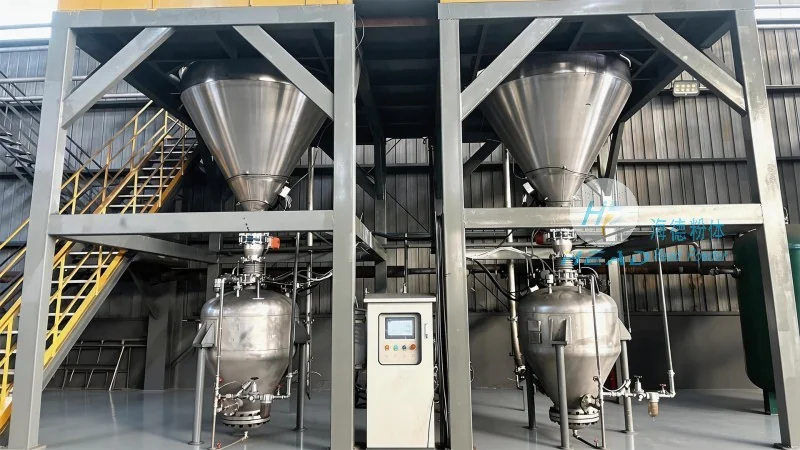
Several key components are integral to the successful operation of a desulfurization gypsum pneumatic conveying system. The material feeder is responsible for uniformly feeding the gypsum into the system, preventing blockages and ensuring consistent flow. The conveying line, usually made of stainless steel or other corrosion-resistant materials, is designed to withstand the abrasive nature of the gypsum and maintain air tightness. The air compressor or blower provides the necessary pressure to move the material through the line. The receiver, where the gypsum is deposited, may include a dust collection system to control emissions and ensure environmental compliance. Each component plays a vital role in maintaining the efficiency and reliability of the entire system.
Advantages of Using Pneumatic Conveying for Desulfurization Gypsum
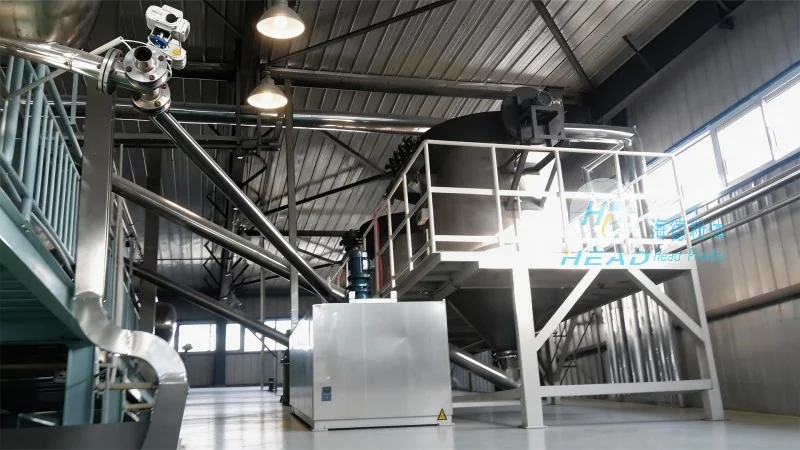
Using pneumatic conveying for desulfurization gypsum offers several advantages over traditional methods. Firstly, it eliminates the need for manual handling and reduces labor costs. The system can transport the material over long distances with minimal maintenance requirements. Additionally, pneumatic conveying is more hygienic and reduces the risk of dust exposure compared to other methods. It also allows for better control over the material's temperature and moisture content, which is important for downstream processing. The flexibility of the system enables it to adapt to changes in production volume and operational needs, making it a cost-effective solution for industrial applications.
Application Scenarios
Desulfurization gypsum pneumatic conveying systems are widely used in various industrial settings. In power plants, the system is employed to transport the gypsum from the desulfurization unit to storage facilities or to other processing plants. In construction material manufacturing, the gypsum is used as a raw material for plaster and other building products. The system can also be applied in waste management facilities where the gypsum is processed for reuse or disposal. The versatility of the pneumatic conveying system makes it suitable for a wide range of applications, ensuring that the material is handled safely and efficiently throughout the entire process.




