Dry sludge pneumatic conveying equipment is a specialized system designed for the efficient transport of dry powders and granular materials, such as sludge, through a pressurized air or gas stream. This technology offers a flexible and effective solution for handling materials that are difficult to transport using traditional methods like belt conveyors or bucket elevators. The core of this equipment lies in its ability to move dry sludge from a source to a destination without the need for direct contact with the material, which is particularly advantageous in applications where contamination or material degradation must be minimized.
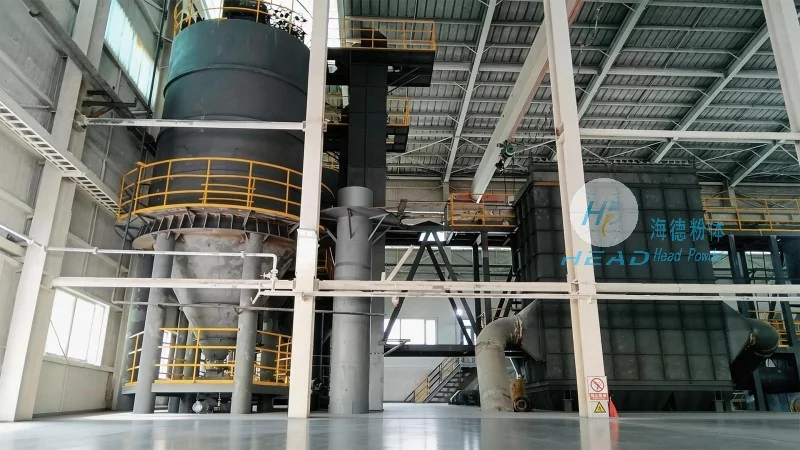
HeadPowder, a leading manufacturer in the field, specializes in the design and production of such advanced pneumatic conveying systems. With a focus on precision engineering and robust construction, their equipment is engineered to meet the demanding requirements of various industrial sectors, including wastewater treatment, food processing, and chemical manufacturing. The company's commitment to quality and innovation ensures that their dry sludge conveying solutions are both reliable and efficient, providing customers with a cost-effective means of material handling.
The Structural Components of Dry Sludge Pneumatic Conveying Equipment
The dry sludge pneumatic conveying system typically consists of several key components that work in tandem to achieve the desired material transport. The primary components include the feeding system, the conveying pipeline, the air supply system, and the separation and discharge unit. Each component plays a critical role in the overall operation of the equipment.
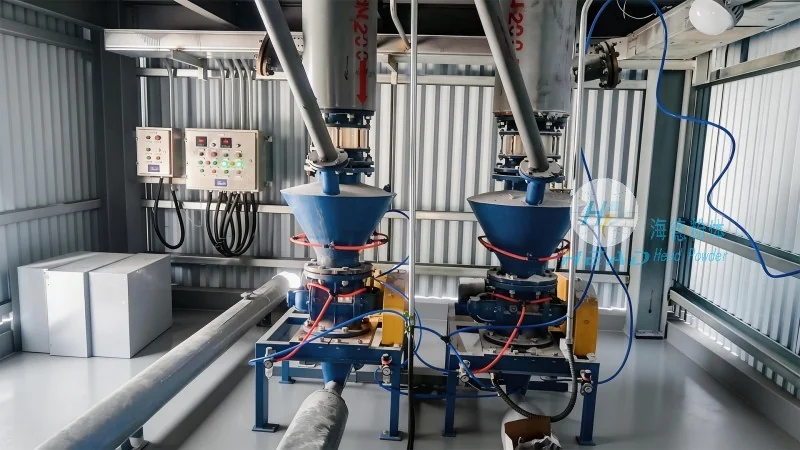
Firstly, the feeding system is responsible for introducing the dry sludge into the conveying line. This can be achieved through various mechanisms, such as a rotary valve or a star feeder, which ensures a consistent and controlled flow of material into the system. The feeding mechanism is designed to prevent blockages and maintain a steady flow rate, which is essential for the smooth operation of the entire conveying process.
Secondly, the conveying pipeline is the main channel through which the dry sludge travels. These pipelines are usually made of durable materials like stainless steel or PVC, which are resistant to corrosion and wear. The pipeline is often equipped with bends and elbows that are carefully designed to minimize pressure losses and maintain the velocity of the air stream. The diameter and length of the pipeline are critical factors that affect the efficiency of the conveying process, as they directly impact the pressure required to move the material.
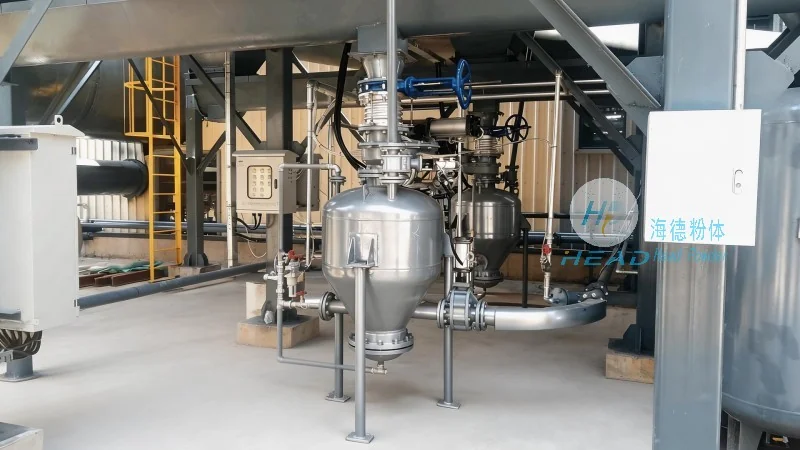
Thirdly, the air supply system provides the necessary pressure and volume of air or gas to propel the dry sludge through the pipeline. This system typically includes a blower or a compressor, which generates the required air pressure. The air is then filtered and conditioned to remove any contaminants that could affect the performance of the equipment or the quality of the conveyed material. The air supply system is designed to be energy-efficient and reliable, ensuring consistent operation over long periods.
Finally, the separation and discharge unit is responsible for removing the dry sludge from the air stream and delivering it to the final destination. This unit typically consists of a cyclone separator or a bag filter, which separates the solid material from the air. The separated sludge is then discharged into a collection container, while the clean air is either vented to the atmosphere or recirculated back into the system. The design of the separation unit is crucial for maintaining the purity of the conveyed material and preventing dust emissions.
Working Principle of Dry Sludge Pneumatic Conveying Equipment
The operation of a dry sludge pneumatic conveying system is based on the principle of fluidization and pneumatic transport. The process begins with the dry sludge being fed into the system through the feeding mechanism. The air supply system then introduces a high-pressure air stream into the conveying pipeline, which lifts and propels the dry sludge particles along the pipeline. The air velocity is maintained at a level that is sufficient to keep the particles suspended in the air stream, preventing them from settling or clogging the pipeline.
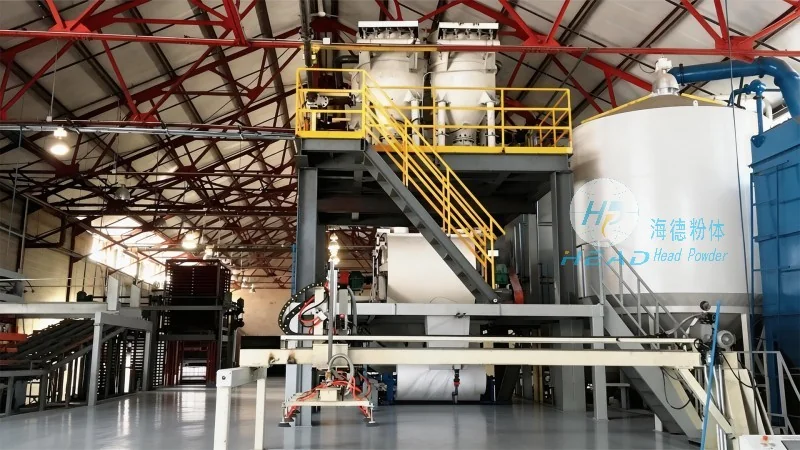
As the dry sludge travels through the pipeline, it encounters various components such as bends and elbows. The design of these components is critical to ensure that the air velocity remains high enough to maintain the fluidization of the material. The pressure drop across the pipeline is carefully managed to ensure that the air supply system can maintain the required pressure and flow rate. The separation unit at the end of the pipeline then removes the dry sludge from the air stream, completing the conveying process.
HeadPowder's dry sludge pneumatic conveying equipment is engineered to optimize this process, ensuring that the material is transported efficiently and with minimal energy consumption. The company's expertise in material handling and pneumatic technology allows them to design systems that are tailored to the specific needs of each application, providing customers with a customized solution that meets their operational requirements.
Applications and Benefits of Dry Sludge Pneumatic Conveying Equipment
Dry sludge pneumatic conveying equipment is widely used in various industrial applications where the transport of dry sludge is required. Some of the common applications include wastewater treatment plants, where the dry sludge is transported from the dewatering process to the disposal or reuse facilities. In the food processing industry, this equipment is used to transport dry powders such as flour, sugar, or spices from storage to processing lines. The chemical manufacturing sector also utilizes this technology to transport dry chemicals and granular materials.
The benefits of using dry sludge pneumatic conveying equipment are numerous. One of the primary advantages is the ability to transport materials without direct contact, which reduces the risk of contamination and material degradation. This is particularly important in applications where the material is sensitive or where hygiene is a critical factor. Additionally, the system is flexible and can be easily integrated into existing production lines, allowing for seamless material handling.
Another significant benefit is the reduced maintenance requirements compared to traditional conveying methods. Since there are no moving parts in direct contact with the material, the equipment is less prone to wear and tear, resulting in lower maintenance costs and longer service life. The system also offers a high degree of control over the material flow, allowing for precise dosing and regulation of the conveyed material.
Furthermore, the dry sludge pneumatic conveying system is energy-efficient and environmentally friendly. By using a pressurized air stream to transport the material, the system reduces the need for mechanical components that consume more energy. The air can be filtered and recirculated, minimizing the environmental impact of the operation. This makes the system an attractive option for companies looking to reduce their carbon footprint and comply with environmental regulations.
Conclusion
Dry sludge pneumatic conveying equipment is a highly effective and versatile solution for the transport of dry powders and granular materials. With its ability to handle materials that are difficult to convey using traditional methods, this technology offers significant advantages in terms of efficiency, flexibility, and reliability. HeadPowder, as a leading manufacturer in the field, provides high-quality equipment that is engineered to meet the specific needs of various industrial applications. By understanding the structure and working principles of this equipment, users can make informed decisions about the most suitable solution for their material handling requirements.




