Understanding the fundamental principles of cassava pneumatic conveying equipment is crucial for optimizing the handling and transportation of cassava in agricultural and industrial settings. This technology leverages the power of air to move bulk materials like cassava through a system of pipes and ducts, offering an efficient alternative to traditional mechanical conveying methods. The core concept revolves around creating a flow of air that entrains the cassava particles, allowing them to be transported from one location to another with minimal friction and energy loss.
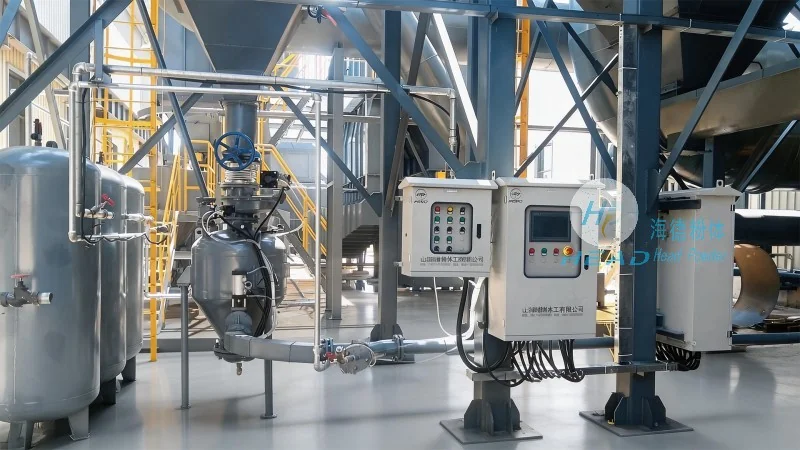
At the heart of cassava pneumatic conveying systems is the air flow mechanism. The process typically begins with a material hopper or feeder that feeds the cassava into the system. An air compressor then generates the necessary pressure to create a stream of air. As the air flows through the pipeline, it picks up the cassava particles, forming a dense phase or dilute phase mixture depending on the system design. The choice between dense phase and dilute phase conveying depends on factors such as the material's properties, the required distance of transport, and the desired flow rate. Dense phase conveying involves a higher air-to-material ratio, resulting in a slower, more controlled flow that minimizes product degradation, while dilute phase conveying uses a lower air-to-material ratio, enabling faster transport over longer distances.
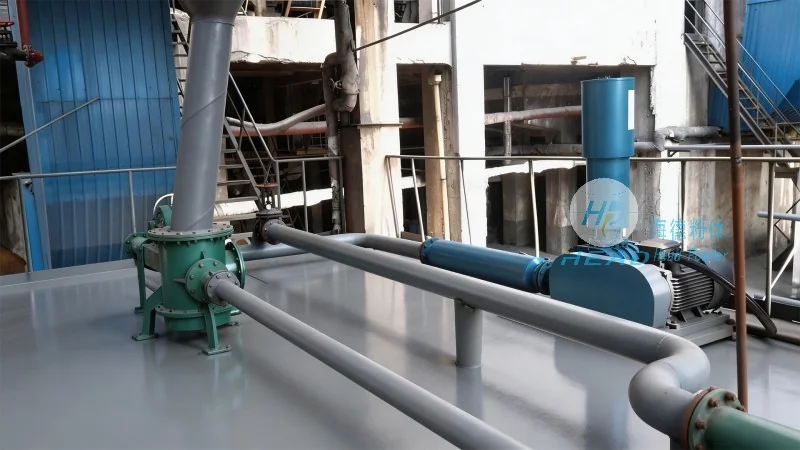
Key components of cassava pneumatic conveying equipment include the air compressor, material feeder, pipeline system, and discharge unit. The air compressor provides the driving force, ensuring consistent air pressure and flow. The material feeder, often a hopper with a valve or screw mechanism, regulates the flow of cassava into the system. The pipeline system, made of materials like stainless steel or plastic, is designed to withstand the pressure and abrasion from the cassava particles. The discharge unit, such as a rotary valve or a venturi, controls the release of the material at the destination point, preventing backflow and ensuring smooth operation.
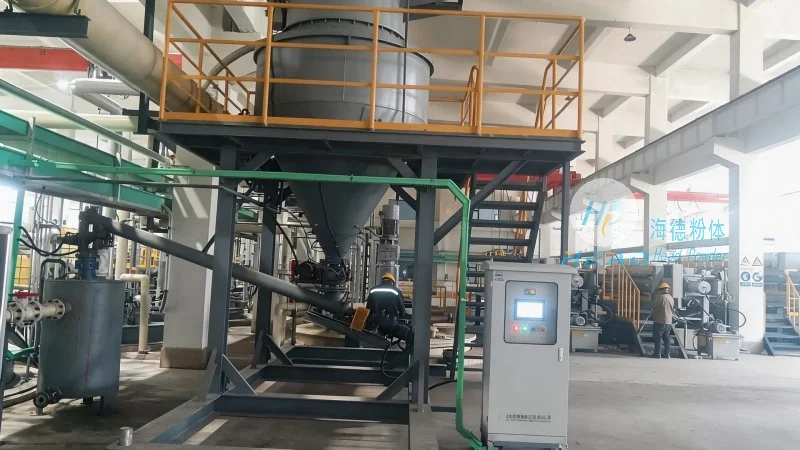
One of the primary advantages of cassava pneumatic conveying equipment is its ability to handle abrasive materials like cassava without causing excessive wear on the equipment. The air flow reduces friction between the particles and the pipeline, extending the lifespan of the system components. Additionally, this method is highly effective in preventing contamination, as the enclosed system keeps the cassava isolated from external elements. It also allows for the integration of dust collection and filtration systems, ensuring that the air discharged is clean and compliant with environmental regulations.
When considering the application of cassava pneumatic conveying equipment, several factors must be evaluated to ensure optimal performance. The first is the material's characteristics, including its moisture content, size distribution, and density. Cassava, being a starchy root crop, has a relatively high moisture content and can be prone to clumping, which may affect the flow rate. Proper conditioning, such as drying or pre-sizing, may be necessary to improve the material's flowability. The second factor is the distance and elevation change between the source and destination. Longer distances or significant vertical lifts may require higher air pressure or more powerful compressors. The third factor is the desired throughput capacity, which determines the size of the air compressor and the diameter of the pipeline. Proper sizing is critical to avoid underperformance or excessive energy consumption.
Shandong HeadPowder Engineering Co., Ltd., a leading manufacturer in the field, specializes in designing and supplying high-quality cassava pneumatic conveying equipment tailored to the specific needs of agricultural and industrial clients. With years of experience in the industry, the company has developed a deep understanding of the unique challenges associated with handling cassava, such as its abrasive nature and tendency to clump. Their equipment is engineered to address these challenges, ensuring reliable and efficient operation. The company's products are designed with durability and efficiency in mind, utilizing advanced materials and components that minimize maintenance and maximize performance.
For clients in China, particularly in regions like Shandong where cassava is a major crop, HeadPowder offers localized support and expertise. The company's facilities are strategically located in Shandong, allowing for easy access to clients and efficient delivery of equipment. Their team of engineers and technicians is well-versed in the local agricultural practices and can provide customized solutions that meet the specific requirements of the region. Whether for small-scale farms or large industrial processing facilities, HeadPowder's cassava pneumatic conveying equipment is designed to enhance productivity and reduce operational costs.
By understanding the principles of cassava pneumatic conveying and leveraging the expertise of companies like Shandong HeadPowder Engineering Co., Ltd., agricultural and industrial operations can achieve more efficient and sustainable handling of cassava. The technology not only improves the speed and reliability of material transport but also contributes to better product quality and reduced environmental impact. As the demand for cassava-based products continues to grow, the importance of efficient conveying systems becomes increasingly critical, making the adoption of pneumatic conveying technology a valuable investment for any operation involved in cassava processing.




