When it comes to handling and transporting silica fume—a fine powder widely used in concrete and other construction materials—industries rely on specialized equipment to ensure efficiency, safety, and consistent performance. At the heart of this process is the silica fume pneumatic conveying equipment, a system designed to move the material through the production and processing stages with precision. This equipment is a critical component in modern manufacturing, offering a reliable solution for the challenges of handling fine powders like silica fume.
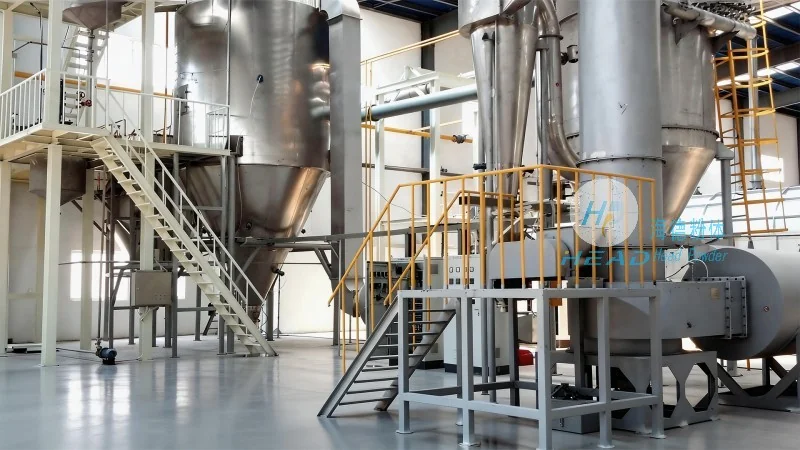
Introduction to Silica Fume Pneumatic Conveying Equipment
Silica fume, also known as microsilica, is a byproduct of silicon metal or ferrosilicon production. It consists of extremely fine particles, typically ranging from 0.1 to 0.2 microns, which make it difficult to handle using traditional methods like belt conveyors or bucket elevators. These fine particles are prone to dust generation, caking, and blockages, posing significant challenges for material transport. The silica fume pneumatic conveying equipment addresses these issues by utilizing air or gas to transport the material in a sealed system. This method not only prevents dust contamination but also ensures a consistent flow rate, making it ideal for applications where precision and cleanliness are paramount.
Design Principles of Silica Fume Pneumatic Conveying Equipment
The design of silica fume pneumatic conveying equipment is based on the fundamental principles of fluid dynamics and particle transport. The core concept is to create a flow of air or gas that lifts and transports the solid particles through a pipeline. There are two primary types of pneumatic conveying systems: pressure and vacuum. Pressure systems use compressed air to push the material forward, while vacuum systems use a vacuum to pull the material from the source. The choice between these systems depends on factors such as the distance to be covered, the volume of material to be transported, and the specific characteristics of the silica fume being handled.
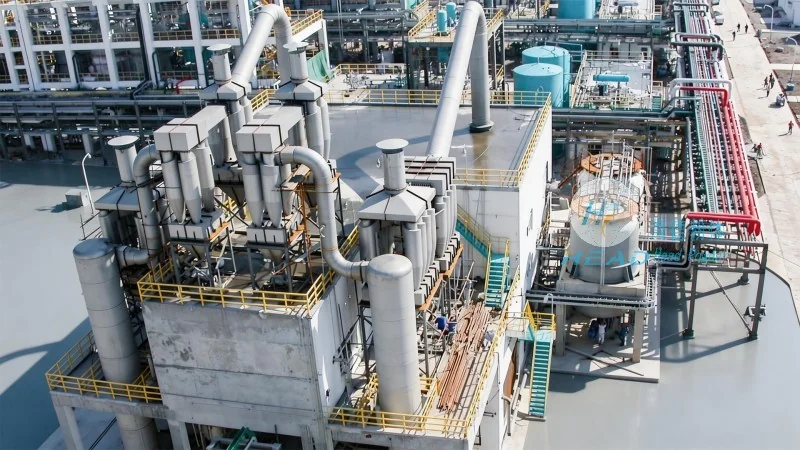
Key design considerations include the selection of appropriate air velocities, which must be high enough to prevent particle settling but low enough to avoid excessive wear on the equipment. The equipment must also be designed to handle the abrasive nature of silica fume, which can cause wear on pipes and components over time. To mitigate this, materials such as stainless steel or special alloys are often used for critical parts like the conveying lines and separation devices. Additionally, the system must incorporate efficient separation mechanisms to separate the silica fume from the air stream, ensuring that the material is delivered to the target location without loss or contamination.
Key Components and Their Functions
The silica fume pneumatic conveying equipment consists of several interconnected components, each playing a crucial role in the overall operation. The primary components include the feed hopper, air compressor or vacuum pump, conveying pipeline, separator, and discharge hopper. The feed hopper is responsible for storing and feeding the silica fume into the system, ensuring a consistent supply of material. The air compressor or vacuum pump generates the necessary pressure or vacuum to move the material through the pipeline. The conveying pipeline transports the air and silica fume mixture from the source to the destination. The separator, typically a cyclone or bag filter, separates the silica fume from the air stream, allowing the material to be collected in the discharge hopper. The discharge hopper then delivers the material to the next stage of processing or storage.
Advantages of Using Silica Fume Pneumatic Conveying Equipment
Implementing a silica fume pneumatic conveying system offers several advantages over traditional material handling methods. First, it provides a dust-free environment, which is critical for maintaining air quality and worker safety in industrial settings. Second, the sealed system prevents material loss and contamination, ensuring that the silica fume remains pure and free from external pollutants. Third, the equipment is highly efficient, with minimal energy consumption compared to other transport methods. Additionally, the system can be easily integrated into existing production lines, allowing for seamless operation and reduced downtime. The reliability of the equipment also contributes to consistent production output, as it minimizes the risk of material blockages or system failures.
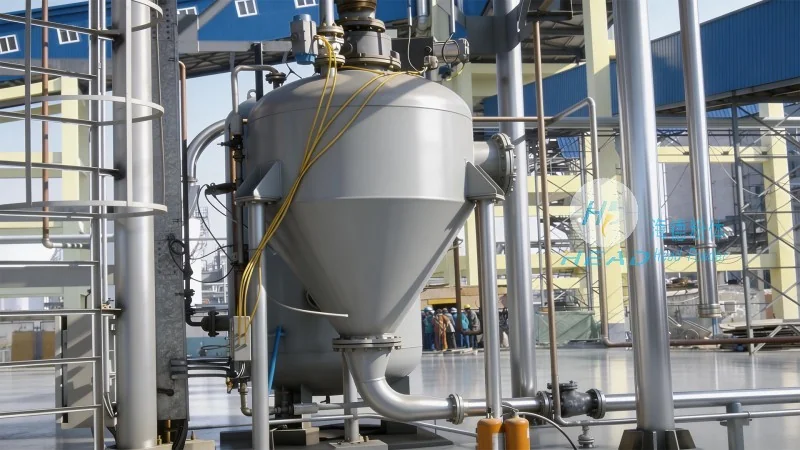
Applications and Industries
Silica fume pneumatic conveying equipment is widely used in various industries that rely on silica fume as a key ingredient. The most common applications include the production of high-performance concrete, where silica fume is used as a supplementary cementitious material to enhance strength and durability. Other industries include refractory manufacturing, where silica fume is used to improve the properties of refractory materials, and chemical processing, where it is used as a filler or additive in various products. The equipment is also used in research and development facilities, where precise control over the material flow is essential for experimental work.
Conclusion
In summary, the silica fume pneumatic conveying equipment is a sophisticated system designed to handle the unique challenges of transporting fine powders like silica fume. Its design principles, based on fluid dynamics and particle transport, ensure efficient and reliable operation. The key components work together to provide a dust-free, sealed system that maintains the purity and quality of the material. As industries continue to demand higher performance and efficiency in material handling, this equipment remains a vital tool for ensuring consistent production and product quality. Companies like Shandong HeadPowder Engineering Co., Ltd., based in China, specialize in manufacturing such equipment, providing tailored solutions to meet the specific needs of their clients in various industries.




