Algae powder, a key raw material in many industrial and agricultural applications, often requires efficient and reliable transportation methods to ensure consistent quality and process flow. Pneumatic conveying equipment has emerged as a popular solution for handling such powders, offering advantages like dust-free operation, low maintenance, and the ability to transport materials over long distances. This article explores the concept of algae powder pneumatic conveying equipment, focusing on its design principles and how it addresses the unique challenges associated with handling algae-derived powders, as developed by Shandong HeadPowder Engineering Co., Ltd.
Understanding Algae Powder Pneumatic Conveying Equipment
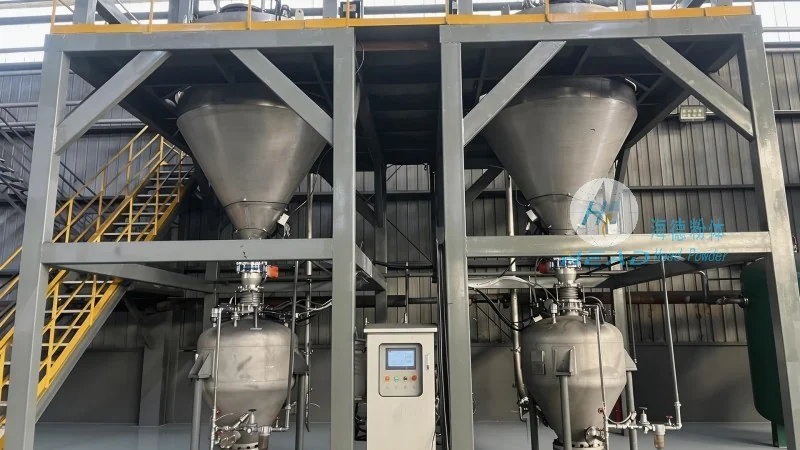
Algae powder pneumatic conveying equipment is a system designed to transport dry algae powder through a pipeline using compressed air or other gas. The system typically consists of a hopper for material storage, a feeder to control the flow rate, a conveying line, and a receiver for the delivered material. The core of the system is the air flow, which propels the powder particles through the pipeline, ensuring efficient movement without the need for mechanical components like belts or screws. The equipment, manufactured by Shandong HeadPowder Engineering Co., Ltd., is engineered to handle the specific properties of algae powders, such as their fine particle size and potential moisture content.
Key Components of the Equipment
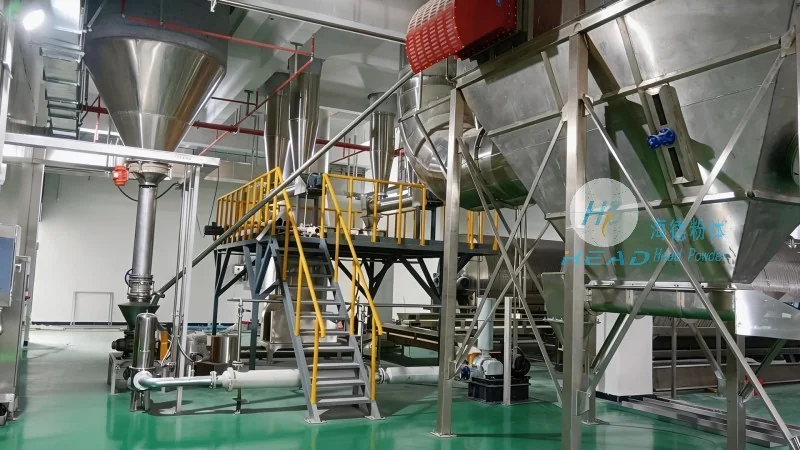
The effectiveness of algae powder pneumatic conveying equipment relies on several critical components. The hopper, often equipped with a venting system, prevents material bridging and ensures a steady feed. The feeder, which can be a rotary valve or a screw feeder, regulates the powder flow into the conveying line. The conveying line itself is usually made of stainless steel or other corrosion-resistant materials to withstand the acidic or alkaline properties of algae powders. The receiver, typically a storage tank or a processing unit, collects the transported powder. Additionally, the system includes a filter and a dust collector to manage any airborne particles and maintain air quality. These components work in harmony to ensure the smooth and efficient transport of algae powder.
Design Principles for Efficient Operation
The design of algae powder pneumatic conveying equipment is guided by several key principles to ensure optimal performance. First, the air velocity must be sufficient to overcome the drag forces acting on the powder particles, preventing deposition or blockages in the pipeline. This requires careful calculation of the air flow rate and pressure, often determined by the particle size, density, and moisture content of the algae powder. The system is designed to maintain a consistent pressure and flow to avoid fluctuations that could lead to material buildup or system failure. This is achieved through the use of pressure regulators and flow meters integrated into the system. Third, the equipment is designed to minimize energy consumption while maximizing conveying efficiency. This involves optimizing the air-to-material ratio, which balances the need for sufficient air to move the powder with the goal of reducing energy costs. The design principles, as implemented by Shandong HeadPowder Engineering Co., Ltd., prioritize both performance and cost-effectiveness.
Advantages of Using Pneumatic Conveying for Algae Powder
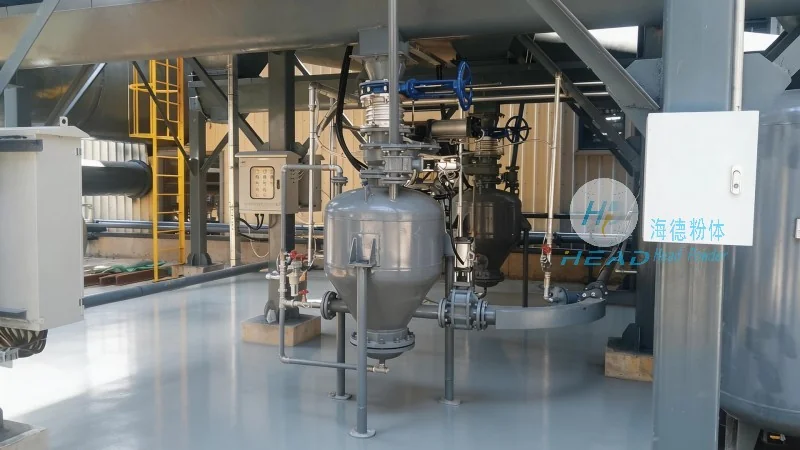
Compared to traditional mechanical conveying methods, algae powder pneumatic conveying equipment offers several advantages. One of the most significant benefits is the elimination of dust and contamination, as the material is contained within the pipeline. This is crucial for maintaining the purity of algae powders, which are often used in food, pharmaceutical, or cosmetic applications. The system is compact and can be installed in tight spaces, making it suitable for various industrial settings. The low maintenance requirements of pneumatic conveying systems also reduce operational costs over time. Furthermore, the ability to transport materials over long distances without the need for intermediate storage or handling points enhances process efficiency. These advantages make pneumatic conveying an ideal choice for industries dealing with algae powders.
Application Scenarios and Considerations
Algae powder pneumatic conveying equipment is widely used in industries such as aquaculture, biofuel production, and food processing. In aquaculture, the equipment is used to transport algae feed to fish or shrimp farms, ensuring a consistent supply of nutrients. In biofuel production, the system helps move algae biomass to processing facilities for conversion into biofuels or other products. In the food industry, the equipment is employed to transport algae-derived powders for use in supplements or functional foods. When selecting a pneumatic conveying system for algae powders, several factors must be considered. These include the particle size distribution, which affects the air velocity required for conveying; the moisture content, which can impact the material's flowability and the risk of caking; and the presence of any contaminants, which may require additional filtration or cleaning steps. Shandong HeadPowder Engineering Co., Ltd. provides customized solutions to address these considerations, ensuring optimal performance for each application.
Conclusion
Algae powder pneumatic conveying equipment is a sophisticated and efficient solution for handling algae-derived powders. By understanding its design principles and components, industries can optimize their material transport processes, ensuring consistency, purity, and cost-effectiveness. As the demand for algae-based products grows, the importance of reliable and effective conveying systems will only increase, making this technology a critical component in the algae industry's supply chain. Shandong HeadPowder Engineering Co., Ltd. continues to innovate in this field, providing high-quality equipment that meets the evolving needs of the industry.




