Bauxite, a primary raw material for aluminum production, is often processed into fine powder for industrial applications. The efficient and reliable transportation of this powder is vital for maintaining production efficiency and ensuring product quality. This article examines the concept of a bauxite powder conveying line and explores its fundamental design principles, highlighting the technical aspects and operational considerations that define such systems.
Understanding Bauxite Powder Conveying Lines
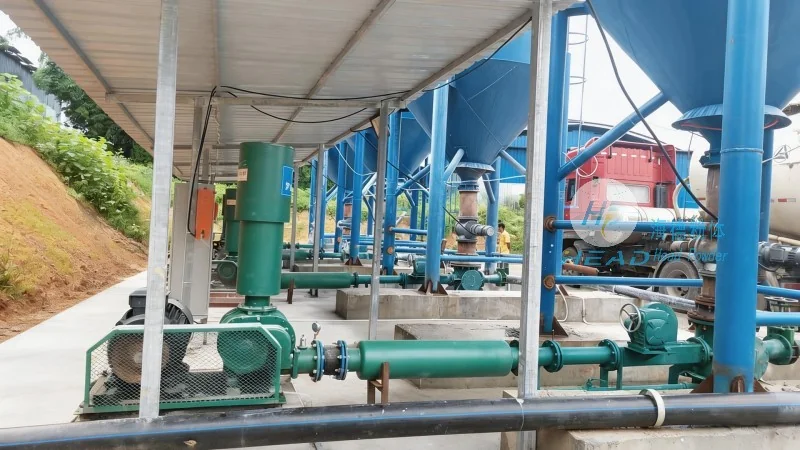
A bauxite powder conveying line is a specialized system engineered to transport bauxite powder from one location to another within industrial facilities. These systems are integral to the bauxite processing workflow, enabling the movement of the fine powder from storage silos, grinding mills, or processing units to subsequent stages such as calcination or refining. The design of these lines must account for the unique properties of bauxite powder, including its particle size, moisture content, and flow characteristics, to ensure optimal performance and minimal material loss.
Key Components of a Bauxite Powder Conveying System
The bauxite powder conveying line typically consists of several interconnected components that work in harmony to achieve efficient material transport. These components include feeders, conveyors, dust collection systems, and control mechanisms. Each component plays a critical role in the overall operation of the system.
Feeders are responsible for regulating the flow of bauxite powder from the source, ensuring a consistent and controlled feed rate. Common types of feeders used in bauxite powder conveying include rotary valves, screw feeders, and vibratory feeders. The choice of feeder depends on factors such as the powder's bulk density, flowability, and the required discharge rate.
Conveyors are the core of the system, responsible for the actual movement of the powder. There are several types of conveyors suitable for bauxite powder, including pneumatic conveying systems, belt conveyors, and screw conveyors. Pneumatic conveying, which uses air pressure to transport the powder, is particularly effective for fine powders like bauxite, as it minimizes material degradation and reduces the risk of blockages. Belt conveyors, on the other hand, are ideal for transporting larger quantities of powder over longer distances, providing a continuous and reliable flow.
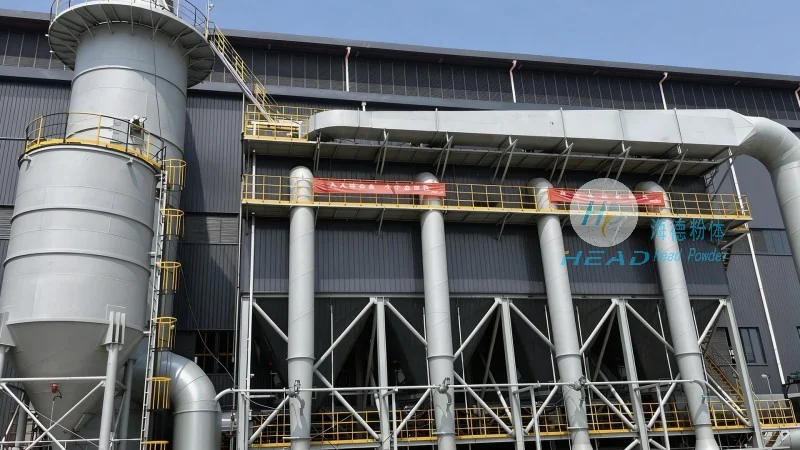
Dust collection systems are essential for maintaining a safe and clean working environment. Bauxite powder is often fine and can generate significant dust during handling. These systems typically include filters, cyclones, and dust collectors that capture and remove airborne particles, preventing contamination and ensuring compliance with occupational health and safety regulations.
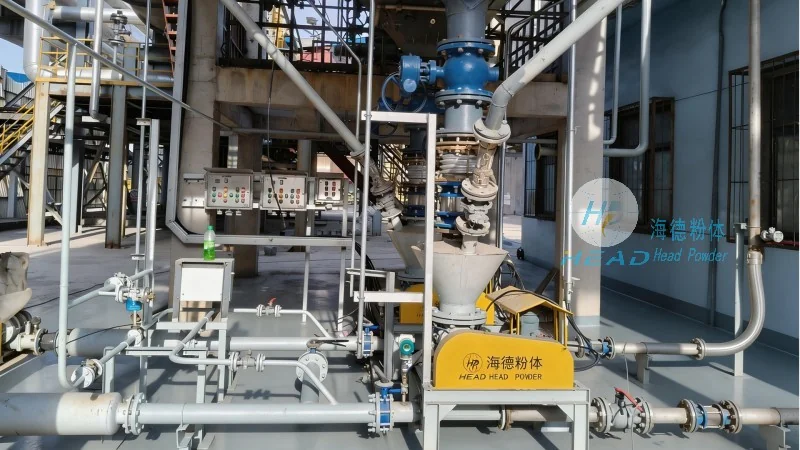
Control mechanisms, such as PLC (Programmable Logic Controller) systems, are integrated into the conveying line to monitor and regulate the operation. These systems allow for real-time control of feed rates, conveyor speeds, and other parameters, ensuring the system operates within optimal conditions and responding to changes in production demands.
Design Principles for Bauxite Powder Conveying Lines
The design of a bauxite powder conveying line is guided by several key principles aimed at maximizing efficiency, reliability, and safety. These principles include material handling considerations, system integration, and operational flexibility.
Material handling considerations are paramount in the design of bauxite powder conveying systems. The system must be designed to handle the specific properties of bauxite powder, such as its particle size distribution, moisture content, and flowability. For example, the use of appropriate feeders and conveyors is crucial to prevent material bridging or agglomeration, which can lead to blockages and system downtime. The design also considers the potential for dust generation and the need for effective dust control measures.
System integration is another critical design principle. The bauxite powder conveying line must be integrated seamlessly with other processing equipment, such as grinding mills, storage silos, and calcination furnaces. This integration ensures a smooth flow of material from one stage to the next, minimizing bottlenecks and optimizing overall production efficiency. The design must also account for the compatibility of different equipment, ensuring that the conveying system can interface with existing infrastructure without significant modifications.
Operational flexibility is a key design consideration, as production demands may vary over time. The conveying line should be designed to accommodate changes in feed rates, conveyor speeds, or even the type of material being transported. This flexibility allows the system to adapt to different production scenarios, such as increased demand or changes in raw material specifications. The use of adjustable components, such as variable speed drives and modular components, enhances the operational flexibility of the system.
Applications and Benefits of Bauxite Powder Conveying Lines
Bauxite powder conveying lines are widely used in the aluminum industry, as well as in other industries that utilize bauxite as a raw material. The primary applications include the transportation of bauxite powder from grinding mills to calcination furnaces, from storage silos to processing units, and from processing units to packaging or further processing. The benefits of these systems include improved production efficiency, reduced material loss, enhanced safety, and better control over the processing parameters.
Improved production efficiency is a significant benefit of bauxite powder conveying lines. By ensuring a continuous and reliable flow of material, these systems reduce downtime and increase the overall throughput of the production process. This leads to higher productivity and lower operational costs. Reduced material loss is another key benefit, as the design of the conveying system minimizes the amount of material that is lost during transport, improving the overall yield of the process.
Enhanced safety is achieved through the integration of dust collection systems and control mechanisms. The dust collection systems prevent the release of fine particles into the workplace, reducing the risk of respiratory illnesses and other health hazards. The control mechanisms allow for safe and controlled operation of the system, minimizing the risk of accidents and ensuring compliance with safety regulations.
Better control over processing parameters is another advantage of bauxite powder conveying lines. The ability to regulate feed rates, conveyor speeds, and other parameters allows for precise control over the processing conditions, ensuring that the final product meets the required specifications. This level of control is essential for maintaining product quality and consistency.
Conclusion
In conclusion, a bauxite powder conveying line is a critical component of the bauxite processing industry, designed to efficiently transport fine bauxite powder from one stage of the production process to another. The design of these systems is guided by principles that prioritize material handling efficiency, system integration, and operational flexibility. By incorporating appropriate components such as feeders, conveyors, dust collection systems, and control mechanisms, these lines ensure reliable and safe operation, leading to improved production efficiency, reduced material loss, and enhanced safety. The bauxite powder conveying line is a testament to the importance of specialized engineering in optimizing industrial processes and ensuring the efficient use of raw materials.




