For industrial facilities handling bulk powders, efficient and reliable material handling systems are crucial to maintaining productivity and ensuring product quality. One such advanced solution is the intelligent bulk bag unloading powder conveying line, a sophisticated system designed to streamline the process of transferring bulk materials from bulk bags into processing equipment or storage containers. This article explores the fundamental aspects of this technology, focusing on its purpose, key components, and the underlying design principles that enable its effective operation.
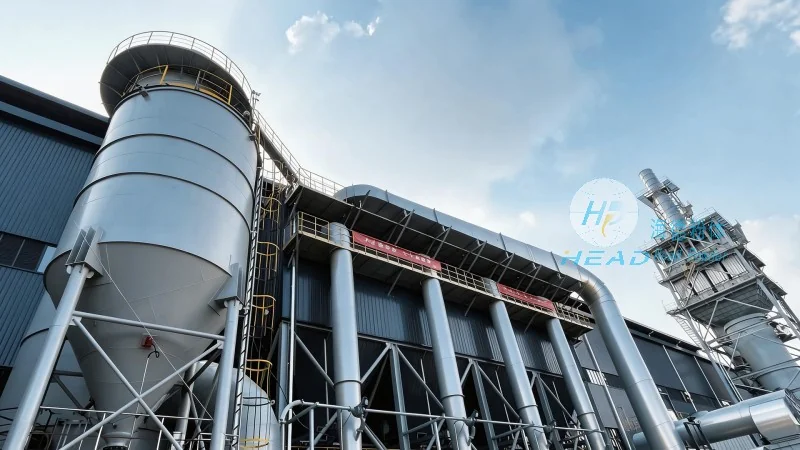
Understanding the Intelligent Bulk Bag Unloading Powder Conveying Line
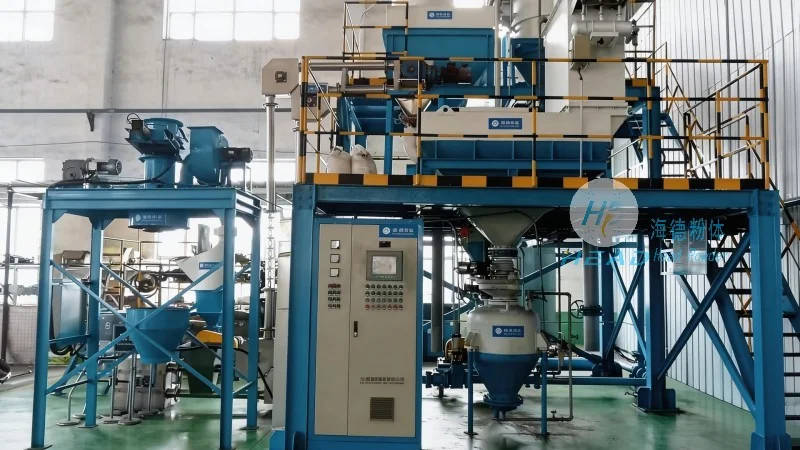
The intelligent bulk bag unloading powder conveying line is a specialized piece of equipment used in various industries, including pharmaceuticals, food processing, chemicals, and manufacturing. Its primary function is to automate the process of unloading bulk bags (also known as super sacks or FIBCs) and transporting the contained powder to the next stage of production. This system integrates several components, such as bulk bag openers, hoppers, conveyors, and control systems, to achieve a seamless and efficient workflow. By eliminating manual labor and reducing the risk of contamination or spillage, this technology enhances operational safety and compliance with industry standards.
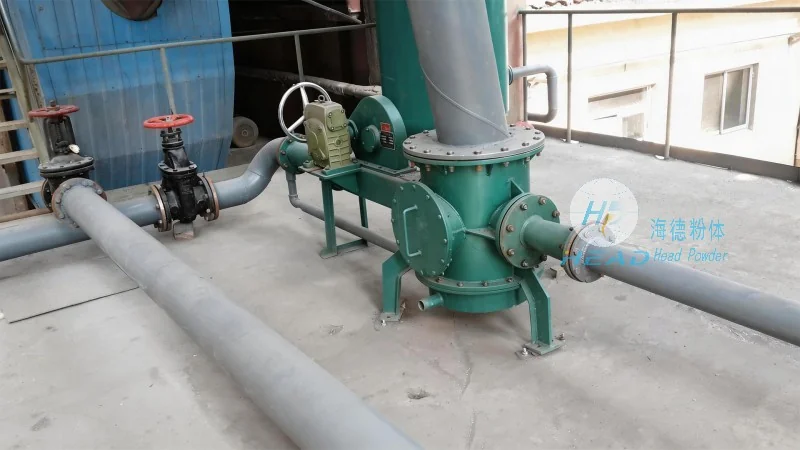
Key Components and Their Roles
At the core of the intelligent bulk bag unloading powder conveying line are several critical components that work in harmony to ensure smooth operation. The bulk bag opener is the first component, responsible for safely and hygienically opening the bag without damaging the contents. This may involve mechanisms like cutting, tearing, or using a vacuum to draw the powder out. The hopper, typically made of stainless steel or other food-grade materials, serves as a temporary storage container that collects the powder from the bag. It is designed to prevent material loss and maintain a consistent flow to the conveyor system. The conveyor system, which can be pneumatic or mechanical, transports the powder from the hopper to the processing equipment or a storage silo. Pneumatic conveyors use air pressure to move the powder, while mechanical conveyors rely on belts or screws. The control system, often equipped with sensors and automation software, monitors the entire process, ensuring that the system operates efficiently and safely. This system may include features like level sensors to detect when the hopper is full or empty, and alarms to alert operators of any issues.
Design Principles for Optimal Performance
The design of an intelligent bulk bag unloading powder conveying line is guided by several key principles aimed at maximizing efficiency, reliability, and safety. One of the primary principles is hygienic design, which is essential in industries like pharmaceuticals and food processing where contamination control is paramount. The system is constructed from materials that are easy to clean and sanitize, such as stainless steel, and features smooth surfaces that prevent the accumulation of powder or bacteria. Another critical principle is automation and integration. By automating the unloading and conveying process, the system reduces the need for manual labor, minimizes human error, and increases throughput. The integration of sensors and control systems allows for real-time monitoring and adjustment of the process, ensuring that the system operates at optimal performance levels. Additionally, the design emphasizes energy efficiency, using components that minimize power consumption while maintaining high performance. This includes using variable frequency drives (VFDs) for conveyors to adjust speed based on the material flow, and optimizing the air pressure in pneumatic systems to reduce energy waste. The principle of modularity is also important, as it allows the system to be customized to meet the specific needs of different applications. This flexibility enables manufacturers to adapt the system to various bulk bag sizes, powder types, and processing requirements, ensuring that the system is tailored to the specific needs of the facility.
Benefits of Implementing an Intelligent Bulk Bag Unloading Powder Conveying Line
Adopting an intelligent bulk bag unloading powder conveying line offers numerous benefits to industrial facilities. One of the most significant advantages is increased efficiency and productivity. By automating the unloading and conveying process, the system reduces the time required to handle bulk bags, allowing for faster processing and higher throughput. This leads to improved operational efficiency and reduced downtime. Another key benefit is enhanced safety. The system eliminates the need for manual handling of heavy bulk bags, reducing the risk of injury to operators. It also minimizes the risk of contamination and spillage, which is critical in industries where product quality and purity are essential. The automated control system ensures that the process is carried out consistently and reliably, reducing the risk of errors or accidents. Additionally, the hygienic design of the system helps maintain compliance with industry regulations and standards, which is crucial for facilities operating in regulated industries. The energy-efficient design of the system also contributes to cost savings, as it reduces energy consumption and lowers operating costs over time. The modular design allows for easy maintenance and repair, as components can be replaced or upgraded without disrupting the entire system. This reduces downtime and maintenance costs, making the system a cost-effective investment for industrial facilities.




