Hydroxide aluminum, a widely used industrial chemical, often requires efficient and reliable transport systems for its handling and processing. The hydroxide aluminum pneumatic conveying equipment is a specialized solution designed to meet these demands, ensuring safe and effective material movement within industrial settings. This article explores the fundamental aspects of this equipment, including its design principles and operational mechanisms.
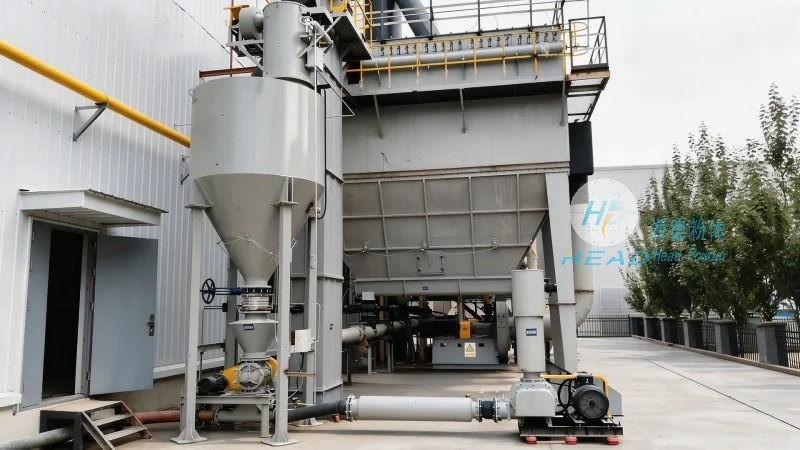
Introduction to Hydroxide Aluminum Pneumatic Conveying Equipment
Hydroxide aluminum, commonly known as aluminum hydroxide, is a white solid with the chemical formula Al(OH)₃. It is widely used in various industries, including pharmaceuticals, cosmetics, and as a flame retardant in the plastics and rubber sectors. Due to its fine particle size and potential for dust generation, conventional material handling methods may pose challenges in terms of safety and efficiency. The hydroxide aluminum pneumatic conveying equipment addresses these challenges by utilizing air or gas to transport the material from one location to another.
Key Components of the Pneumatic Conveying System
The hydroxide aluminum pneumatic conveying system typically consists of several critical components that work in tandem to ensure smooth operation. These components include the material hopper, which stores the hydroxide aluminum; the air or gas source, such as a blower or compressor; the conveying line, which transports the material; and the receiving hopper or discharge point. Each component plays a vital role in the overall functionality of the system.
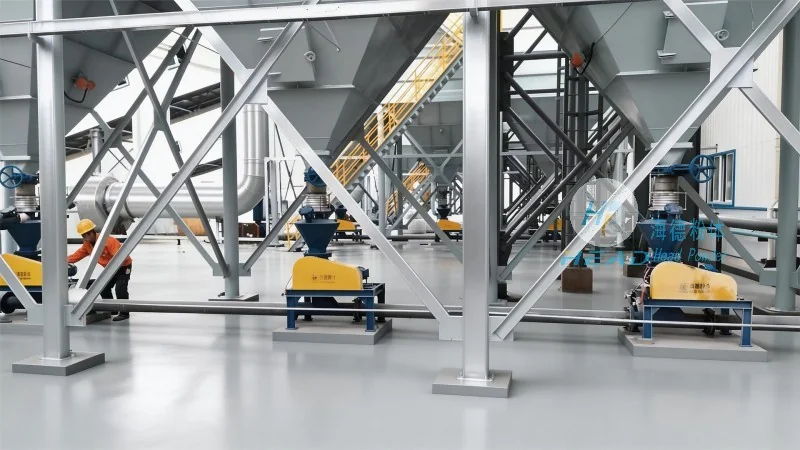
Design Principles Behind the Equipment
The design of the hydroxide aluminum pneumatic conveying equipment is based on several key principles to optimize performance and safety. One of the primary principles is the use of differential pressure to move the material. By creating a pressure difference between the material hopper and the receiving end, the system can effectively transport the hydroxide aluminum particles through the conveying line. Another critical principle is the selection of appropriate air velocity and particle size to prevent blockages and ensure consistent flow. The equipment is also designed with considerations for material compatibility, ensuring that the components do not react with the hydroxide aluminum or cause contamination.
Operational Mechanisms and Safety Features
The operational mechanism of the hydroxide aluminum pneumatic conveying equipment involves the introduction of air or gas into the material hopper, which lifts and transports the hydroxide aluminum particles through the conveying line. The air velocity is carefully controlled to maintain a stable flow rate, preventing the particles from settling or causing clogs. Safety features are integrated into the design to mitigate risks associated with dust and pressure. These may include dust collection systems, pressure relief valves, and explosion-proof components, ensuring compliance with industrial safety standards.
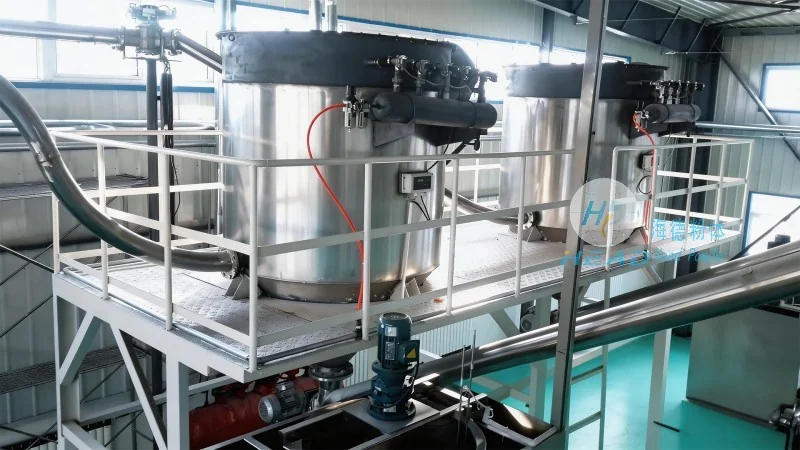
Applications and Benefits in Industrial Settings
The hydroxide aluminum pneumatic conveying equipment is widely used in various industrial applications where efficient material handling is essential. Its benefits include reduced labor costs, minimized material loss, and improved safety compared to traditional methods like manual handling or mechanical conveyors. The equipment is particularly suitable for handling fine powders, as it can maintain consistent flow rates and prevent particle segregation. Additionally, the system can be integrated with other processing equipment, such as mixers or reactors, to form a seamless production line.
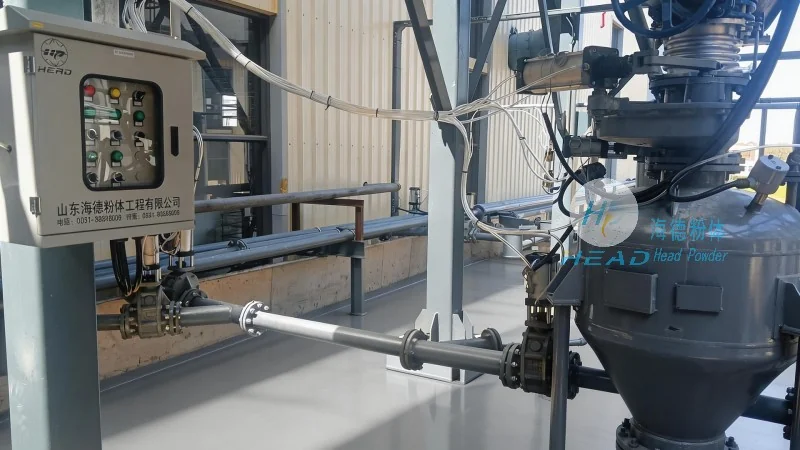
Maintenance and Operational Considerations
Proper maintenance is crucial to ensure the longevity and efficiency of the hydroxide aluminum pneumatic conveying equipment. Regular cleaning of the conveying line and hopper is necessary to prevent material buildup and clogging. The air or gas source should be checked for proper operation and maintained to ensure consistent pressure. Additionally, monitoring the system for any signs of wear or damage is essential to prevent unexpected failures. Operational considerations also include the selection of appropriate filter systems to prevent dust emissions and maintain a clean working environment.
Conclusion
In conclusion, the hydroxide aluminum pneumatic conveying equipment is a sophisticated and effective solution for handling hydroxide aluminum in industrial settings. Its design principles, operational mechanisms, and safety features make it a reliable choice for various applications. By understanding the components and principles behind this equipment, industries can optimize their material handling processes and improve overall efficiency. The equipment, manufactured by Shandong HeadPowder Engineering Co., Ltd. based in China, represents a commitment to quality and innovation in the field of pneumatic conveying technology.




