

What is a Multi-functional Pneumatic Conveying System? And What Are Its Design Principles?
Multi-functional pneumatic conveying systems are advanced industrial solutions designed to transport bulk materials efficiently and reliably over various distances. These systems utilize compressed air or other gases to move materials through a network of pipes, offering a versatile approach to material handling that is particularly valuable in industries such as pharmaceuticals, food processing, and chemical manufacturing. The ability to handle diverse materials, including powders, granules, and fine particles, while maintaining product integrity and operational safety, makes these systems a preferred choice for many applications.
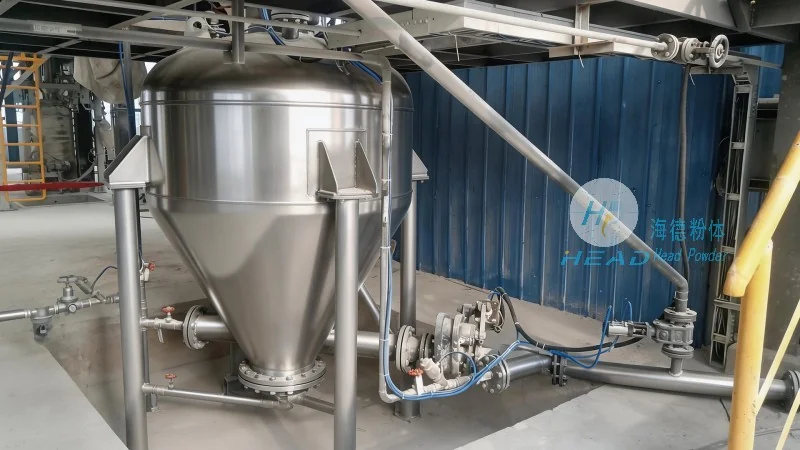
Defining the Multi-functional Pneumatic Conveying System
A multi-functional pneumatic conveying system is a closed-loop or open-loop system that combines several components to achieve material transport. Unlike traditional mechanical conveyors that rely on physical contact and moving parts, pneumatic systems use air pressure to propel materials. This method is advantageous for materials that are difficult to convey mechanically, such as abrasive or sticky substances, and for applications where contamination or product degradation must be avoided. The system's flexibility allows it to adapt to different material types and operational requirements, making it a versatile solution for modern industrial needs.
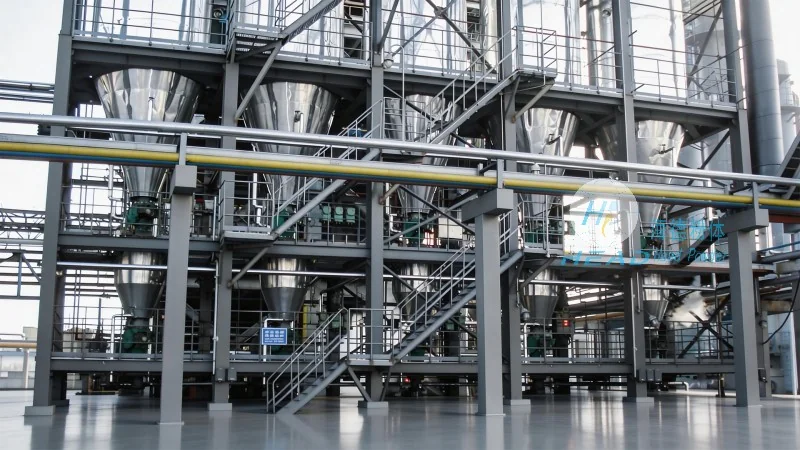
Core Components and Their Functions
The design of a multi-functional pneumatic conveying system involves several essential components, each contributing to the system's overall performance. The material feeder is responsible for introducing the material into the system, ensuring a consistent flow. The air compressor or blower generates the necessary air pressure to move the material through the conveying line. The conveying line, typically made of durable materials like stainless steel or plastic, transports the material from the feeder to the separation or collection equipment. The separation system, which may include cyclones or filters, removes the material from the air stream, allowing the air to be recycled or vented. Finally, the control system regulates the flow and pressure, ensuring optimal operation and preventing issues like overpressure or material blockages.
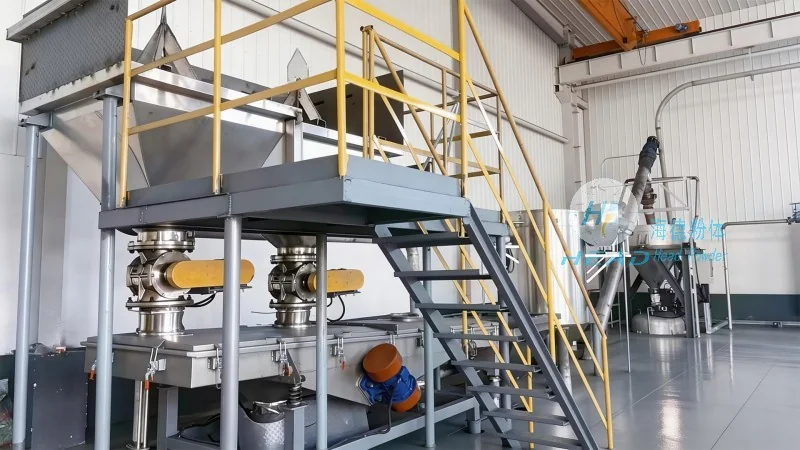
Design Principles and Engineering Considerations
The design of a multi-functional pneumatic conveying system is guided by several critical principles, including material properties, operational distance, and throughput requirements. Material properties, such as particle size, density, moisture content, and flowability, influence the choice of conveying method (e.g., dilute-phase or dense-phase) and the system's pressure requirements. Dilute-phase systems use low air velocity and high air-to-material ratios, suitable for fine powders and short distances. Dense-phase systems, on the other hand, use higher air velocity and lower air-to-material ratios, ideal for abrasive or sticky materials and longer distances. Operational distance and elevation changes determine the necessary air pressure and the size of the conveying line, while throughput requirements dictate the capacity of the feeder and blower, ensuring the system can meet production demands without bottlenecks.
Applications and Advantages in Industrial Settings
Multi-functional pneumatic conveying systems are widely utilized in various industrial sectors due to their efficiency and adaptability. In the pharmaceutical industry, these systems are employed to transport active pharmaceutical ingredients (APIs) and excipients with high precision and minimal risk of contamination, ensuring compliance with stringent regulatory standards. In food processing, they are used to convey ingredients like flour, sugar, and spices, maintaining product quality and hygiene while reducing the risk of cross-contamination. The benefits of these systems include reduced labor costs by automating material handling, improved safety by eliminating manual handling of bulk materials, and the ability to handle a wide range of materials with minimal maintenance. Additionally, the closed-loop design of many systems helps in energy conservation and reduces environmental impact by recycling air.
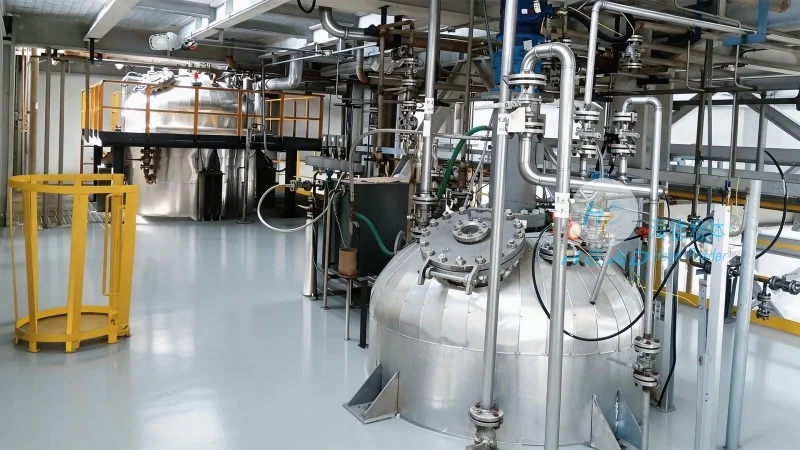
HeadPowder: A Leader in Material Handling Solutions
HeadPowder, formally known as Shandong HeadPowder Engineering Co., Ltd., is a prominent manufacturer and supplier of advanced material handling equipment, including multi-functional pneumatic conveying systems. Based in Shandong, China, the company has established itself as a trusted partner in providing customized solutions tailored to the specific needs of its clients. HeadPowder's expertise lies in designing and manufacturing systems that meet the highest standards of quality, reliability, and efficiency. The company's commitment to innovation and customer satisfaction has enabled it to serve a diverse range of industries, from pharmaceuticals to food processing, and to contribute to the advancement of material handling technologies.