Understanding the sodium fluorosilicate pneumatic conveying system is crucial for industries dealing with this specific chemical. This system is designed to efficiently transport sodium fluorosilicate, a compound widely used in various industrial applications, from one location to another. The design principles behind such a system are centered on ensuring optimal performance, safety, and reliability in material handling.
Introduction to the Sodium Fluorosilicate Pneumatic Conveying System
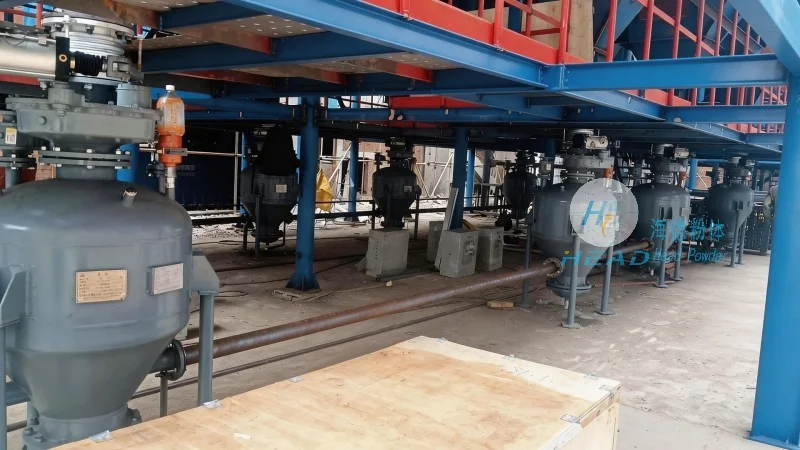
The sodium fluorosilicate pneumatic conveying system is a specialized equipment setup used to transport sodium fluorosilicate, a white crystalline powder, through a pipeline using air or other gas as the conveying medium. This method is particularly advantageous for handling fine powders like sodium fluorosilicate, as it minimizes product contamination and reduces the risk of dust exposure compared to traditional bulk handling methods. The system typically consists of a series of components including a hopper, feeder, conveying line, and a receiver, all working in tandem to ensure smooth material transfer.
HeadPowder: Your Trusted Partner in Industrial Solutions
Shandong HeadPowder Engineering Co., Ltd., a leading manufacturer based in China, specializes in providing high-quality industrial equipment tailored to meet the needs of various sectors. With a strong commitment to innovation and precision engineering, HeadPowder has established itself as a reliable supplier of pneumatic conveying systems and related industrial solutions. The company’s headquarters and main operations are located in Shandong, China, where it leverages advanced technology and skilled expertise to deliver cutting-edge products that enhance operational efficiency and safety for its clients.
Design Principles of the Pneumatic Conveying System
The design of a sodium fluorosilicate pneumatic conveying system adheres to several key principles to ensure effective and safe operation. First, the system must be capable of handling the specific properties of sodium fluorosilicate, such as its particle size, moisture content, and flow characteristics. The conveying line is typically made of materials resistant to corrosion and chemical reactions, such as stainless steel or specialized plastic composites, to prevent degradation of the material and equipment over time.
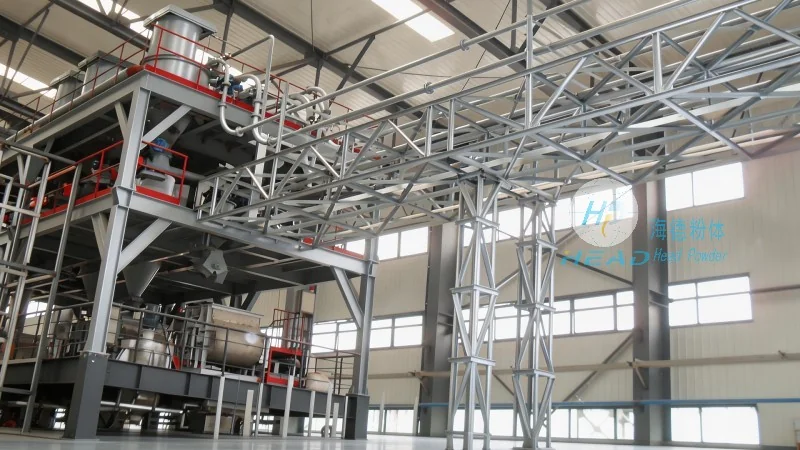
Second, the system employs either positive pressure or negative pressure (or a combination of both) to move the material through the pipeline. Positive pressure systems use a blower or compressor to push air and material forward, while negative pressure systems use a vacuum to draw material into the line. The choice between these methods depends on factors like the distance to be covered, the volume of material to be conveyed, and the specific requirements of the application. For sodium fluorosilicate, positive pressure systems are often preferred due to their ability to handle longer distances and higher material loads efficiently.
Third, the system includes essential components such as a hopper for material storage, a feeder to control the flow rate, and a receiver to collect the material at the destination. The hopper is designed to minimize material bridging and ensure consistent feeding, while the feeder regulates the amount of material entering the conveying line to maintain stable operation. The receiver, often equipped with a dust collection system, ensures that the material is safely contained and prevents environmental contamination.
Key Components and Their Functions
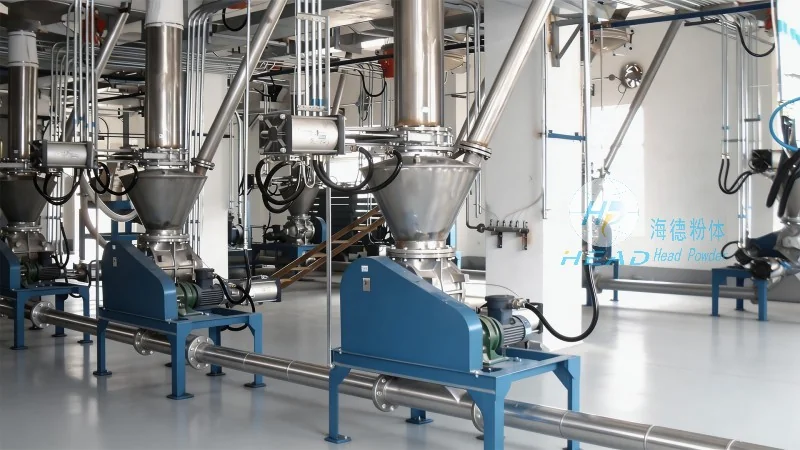
Each component of the sodium fluorosilicate pneumatic conveying system plays a critical role in the overall performance. The hopper, typically made of stainless steel, provides a large storage capacity and features a conical bottom to facilitate material discharge. The feeder, often a rotary valve or a screw feeder, controls the flow rate by adjusting the speed or position of the mechanism, ensuring that the material is conveyed at a consistent rate without causing blockages or excessive pressure drops.
The conveying line, usually constructed from high-quality stainless steel or PTFE-coated pipes, is designed to withstand the abrasive nature of sodium fluorosilicate particles and resist corrosion from any moisture or chemical residues. The line is equipped with appropriate fittings, such as elbows and tees, to direct the material flow and maintain the system’s integrity. The receiver, which may include a dust collector or a baghouse, captures any fine particles that escape during the conveying process, ensuring compliance with environmental regulations and maintaining a clean working environment.
Advantages of Using a Pneumatic Conveying System for Sodium Fluorosilicate
Implementing a pneumatic conveying system for sodium fluorosilicate offers several advantages over traditional handling methods. Firstly, it significantly reduces the risk of dust exposure, which is a major health hazard associated with handling fine powders. The enclosed system ensures that the material is contained within the pipeline, minimizing the release of airborne particles into the workplace. Secondly, the system enhances operational efficiency by allowing for continuous material transfer, reducing downtime and increasing productivity. The ability to convey material over long distances without the need for intermediate storage or manual handling further contributes to improved workflow.
Thirdly, the pneumatic conveying system provides better control over the material flow, enabling precise regulation of the conveying rate and pressure. This control is essential for maintaining consistent product quality and preventing issues such as clogging or uneven distribution. Additionally, the system is more cost-effective in the long run, as it reduces the need for manual labor and minimizes the risk of material loss or contamination. The initial investment in a well-designed system is often offset by the savings in operational costs and improved safety measures.
Conclusion: The Importance of Proper Design and Implementation
In conclusion, the sodium fluorosilicate pneumatic conveying system is a vital piece of equipment for industries that rely on this chemical. The design principles, which focus on material properties, system components, and operational efficiency, are crucial for ensuring the system’s effectiveness and safety. By leveraging the expertise of companies like Shandong HeadPowder Engineering Co., Ltd., industries can access high-quality pneumatic conveying systems that meet their specific needs and contribute to improved productivity and safety. The proper design and implementation of such a system not only enhance the handling of sodium fluorosilicate but also set a benchmark for efficient material management in various industrial applications.




