Calcined gypsum, also known as plaster of Paris, is a widely used material in construction and industrial applications due to its versatility and ease of processing. The efficient transportation of this material from production sites to processing or packaging facilities is crucial for maintaining production efficiency and minimizing material loss. This is where a calcined gypsum pneumatic conveying system comes into play, offering a reliable and effective solution for handling this material. In this article, we will explore what a calcined gypsum pneumatic conveying system is and delve into its core design principles.
HeadPowder, a leading provider of engineering solutions, specializes in the design and manufacturing of pneumatic conveying systems tailored to the unique needs of the gypsum industry. With years of experience in the field, HeadPowder has developed systems that ensure optimal performance, durability, and safety for calcined gypsum handling. The company's expertise lies in understanding the specific properties of calcined gypsum, such as its particle size, moisture content, and flow characteristics, which are critical factors in system design.
Components and Functionality of a Calcined Gypsum Pneumatic Conveying System
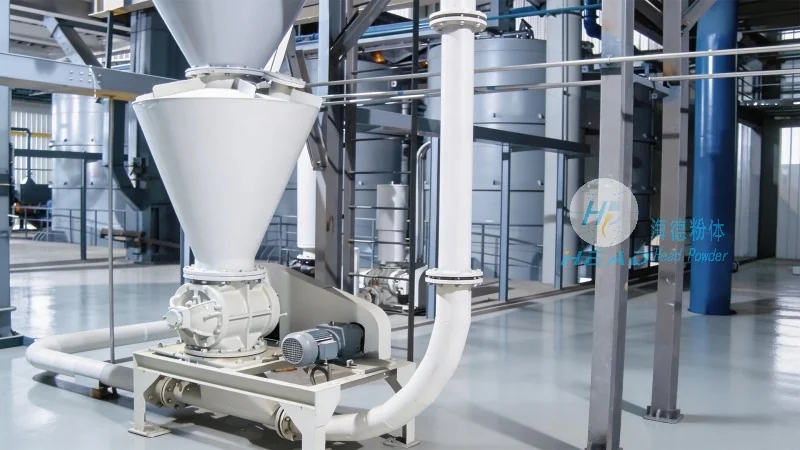
A calcined gypsum pneumatic conveying system is a type of pneumatic conveying equipment that uses air or other gases to transport calcined gypsum particles through a pipeline. The system typically consists of several key components, including a material feeder, a conveying line, a dust collector, and a control system. The material feeder is responsible for feeding the calcined gypsum into the conveying line at a controlled rate, ensuring a consistent flow. The conveying line, often made of stainless steel or other corrosion-resistant materials, transports the material from the feeder to the destination point, such as a storage silo or processing unit. The dust collector is an essential component that captures any fine particles released during the conveying process, ensuring environmental compliance and maintaining a clean working environment.
Key Design Principles for Efficient Operation
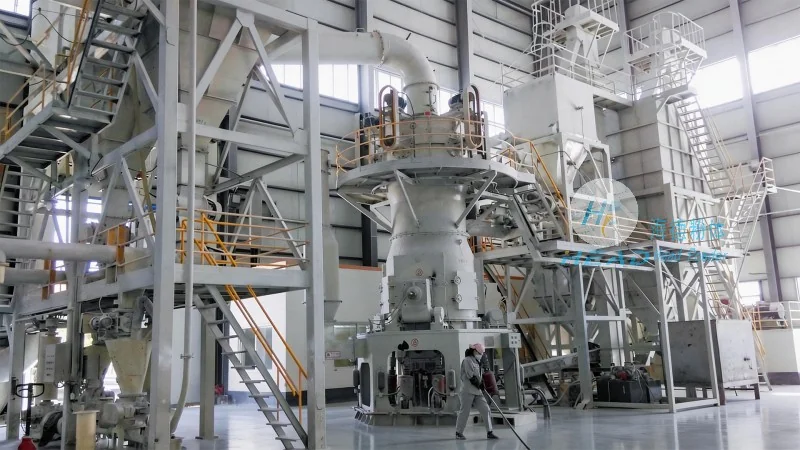
The design principles of a calcined gypsum pneumatic conveying system are centered around several key factors to ensure efficient and reliable operation. First, the system must be designed to handle the specific physical properties of calcined gypsum, including its particle size distribution, density, and moisture content. These properties affect the air velocity required for effective conveying and the type of equipment needed for feeding and separation. Second, the system must be constructed from materials that are resistant to corrosion and wear, as calcined gypsum can be abrasive and may contain moisture that can cause corrosion over time. Stainless steel is a common choice for the conveying line and other components due to its durability and resistance to chemical and physical damage.
Third, the system must incorporate proper dust control measures to comply with environmental regulations and maintain a safe working environment. The dust collector is a critical component in this regard, as it captures fine particles that may be released during the conveying process. This not only helps in meeting environmental standards but also prevents the accumulation of dust in the workplace, reducing the risk of respiratory issues and other health hazards. Additionally, the system should be equipped with a control system that allows for monitoring and adjustment of key parameters, such as air pressure, flow rate, and material feed rate, to ensure optimal performance and prevent system failures.
HeadPowder's Customized Solutions for Calcined Gypsum Handling
HeadPowder's approach to designing calcined gypsum pneumatic conveying systems involves a comprehensive understanding of the material's characteristics and the client's specific requirements. The company works closely with clients to assess their production needs, material properties, and operational constraints to develop a customized system that meets their exact specifications. This includes selecting the appropriate conveying line diameter, air velocity, and material feeder type, as well as integrating necessary safety features and dust control measures. By focusing on these design principles, HeadPowder ensures that its systems are not only efficient but also safe and environmentally friendly.
System Layout and Performance Optimization
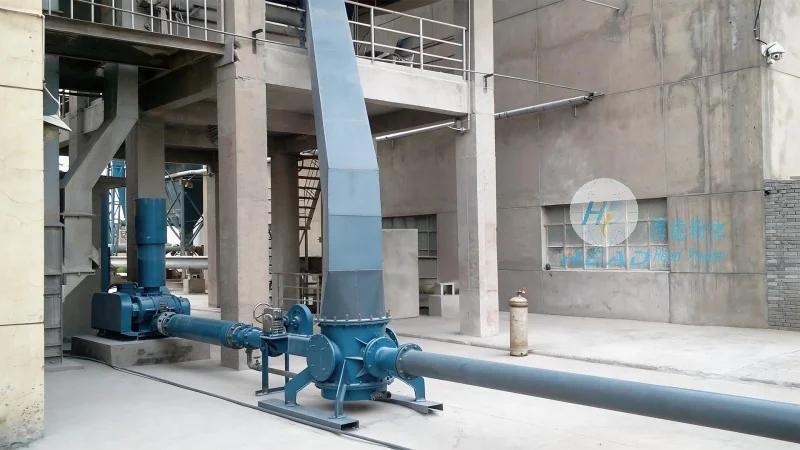
Furthermore, the system's design must consider the overall layout of the facility and the distance between the source and destination points. The length and diameter of the conveying line, as well as the number of bends and fittings, can significantly impact the system's performance and energy consumption. Proper engineering and planning are essential to minimize pressure losses and ensure that the system operates at an optimal air pressure and flow rate. HeadPowder's engineers use advanced computational fluid dynamics (CFD) and other simulation tools to model the system and predict its performance before installation, ensuring that the final system meets all design requirements and operates efficiently.
Conclusion: Enhancing Operational Efficiency with Calcined Gypsum Pneumatic Conveying Systems
In conclusion, a calcined gypsum pneumatic conveying system is a vital piece of equipment for the efficient handling of calcined gypsum in industrial applications. The design principles behind these systems, including material handling considerations, corrosion resistance, dust control, and system control, are crucial for ensuring reliable and safe operation. HeadPowder, with its expertise and commitment to quality, provides tailored solutions that meet the specific needs of the gypsum industry, helping clients achieve higher productivity and lower operational costs. By understanding and applying these design principles, businesses can optimize their calcined gypsum handling processes and enhance overall operational efficiency.




