For industries dealing with light calcium, the selection of an efficient and reliable material handling system is crucial. Among the various options available, the light calcium gas-pneumatic conveyor stands out as a sophisticated solution designed to meet the specific demands of this application. This article aims to explore the fundamental aspects of such a system, focusing on its design principles and operational characteristics.
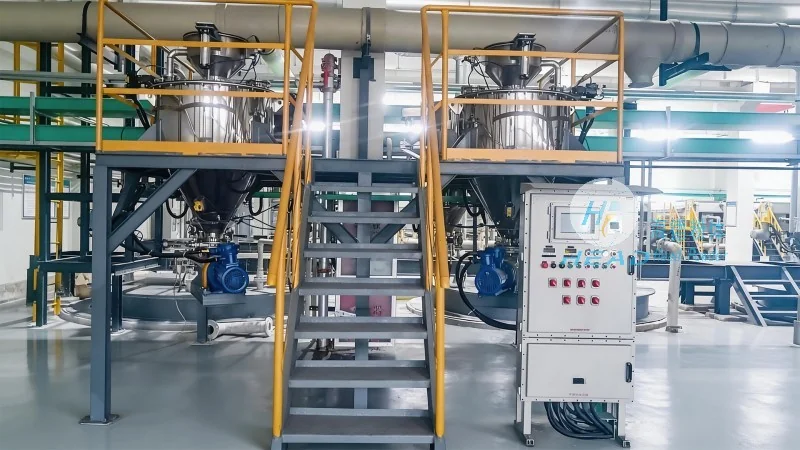
Understanding the Light Calcium Gas-Pneumatic Conveyor
At its core, a light calcium gas-pneumatic conveyor is a type of pneumatic conveying system engineered to transport light calcium, a fine powder commonly used in the production of calcium carbonate products. Unlike traditional mechanical conveyors, this system utilizes compressed air to move the material through a pipeline network. The design is tailored to handle the unique properties of light calcium, such as its low bulk density and tendency to create dust, ensuring efficient and dust-free operation.
Key Design Principles of the Light Calcium Gas-Pneumatic Conveyor
The design of a light calcium gas-pneumatic conveyor is built upon several critical principles that ensure optimal performance and reliability. First, the system employs a positive pressure or negative pressure (or a combination of both) method to transport the material. Positive pressure systems use a blower to generate air pressure that pushes the material through the pipeline, while negative pressure systems create a vacuum to draw the material in. For light calcium, positive pressure is often preferred as it provides better control over the material flow and reduces the risk of blockages.
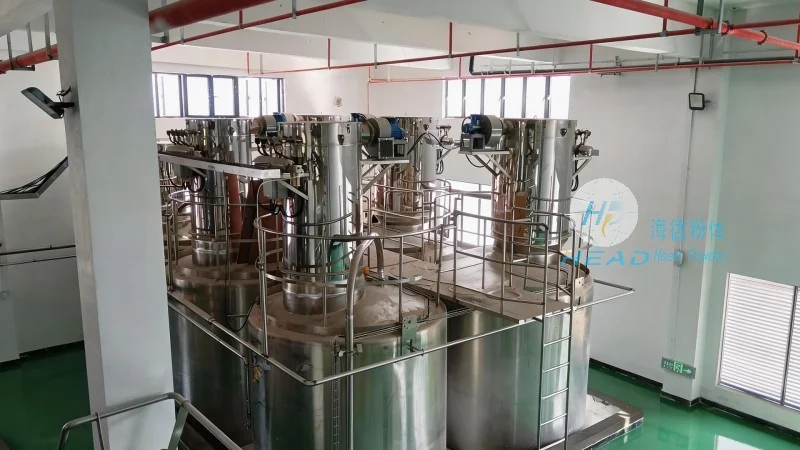
Second, the system incorporates specialized components like feeders, cyclones, and filters to manage the material's flow and prevent dust contamination. The feeder, typically a rotary valve or a screw feeder, ensures a consistent and controlled feed of light calcium into the pipeline. Cyclones are used to separate the material from the air stream, allowing the light calcium to be collected at the discharge point while the air is recirculated or vented. Filters are essential to maintain air quality and protect downstream equipment from dust accumulation.
Third, the pipeline design is optimized for the material's characteristics. The diameter and length of the pipeline are carefully selected to minimize pressure drop and energy consumption. The use of smooth, corrosion-resistant materials like stainless steel or polyethylene is common to prevent material buildup and ensure long-term durability. Additionally, the system may include bends, expansions, and contractions that are designed to minimize turbulence and maintain the material's flow stability.
Operational Advantages and Applications
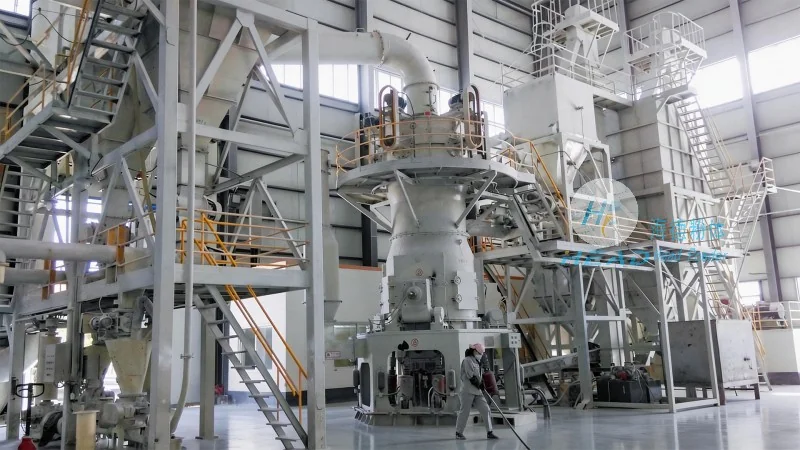
The light calcium gas-pneumatic conveyor offers several advantages over traditional conveying methods. One of the most significant benefits is its ability to handle fine powders without generating excessive dust, which is critical for maintaining a clean and safe working environment. The system also provides flexibility in terms of layout, as the pipeline can be installed in various configurations to suit the plant's layout and production requirements.
Moreover, the energy efficiency of the system is a key factor. By using compressed air as the primary power source, the conveyor can operate with lower energy consumption compared to mechanical systems that rely on motors and belts. This not only reduces operational costs but also contributes to a more sustainable manufacturing process.
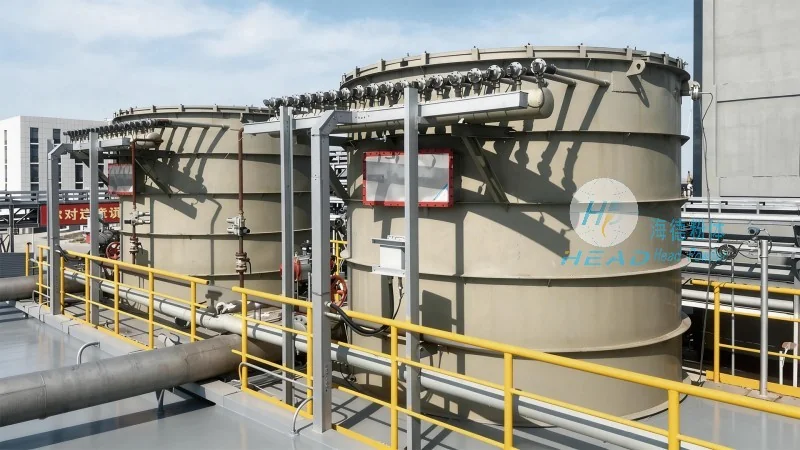
In terms of applications, the light calcium gas-pneumatic conveyor is widely used in industries such as food processing, pharmaceuticals, and chemical manufacturing. It is particularly suitable for applications where the material needs to be transported over long distances or through multiple processing stages without degradation. The system's ability to maintain the material's quality and prevent contamination makes it an ideal choice for products that require high purity and consistency.
Conclusion
In conclusion, the light calcium gas-pneumatic conveyor is a highly effective and efficient material handling solution designed specifically for the transportation of light calcium. Its design principles, which include specialized components, optimized pipeline systems, and energy-efficient operation, ensure reliable and consistent performance. As a result, it has become a preferred choice for industries dealing with fine powders, offering a clean, safe, and cost-effective method of material transport. The system's ability to meet the unique demands of light calcium production makes it an essential component in modern manufacturing processes.




