What is a Waste Pneumatic Conveying System? Understanding Its Design Principles
Release time:2026-09-14 10:53:57
name of the company:Shandong Headpowder Engineering Co., Ltd.
telephone:156-6277-7102
contacts:Zhang manager
Waste management is a critical aspect of urban infrastructure, and efficient handling of solid waste requires advanced technologies to ensure safety, hygiene, and environmental compliance. Among the various methods available, the pneumatic conveying system stands out as a sophisticated solution for transporting waste materials from collection points to processing facilities. This article delves into the concept of a waste pneumatic conveyor, exploring its fundamental design principles and operational capabilities.
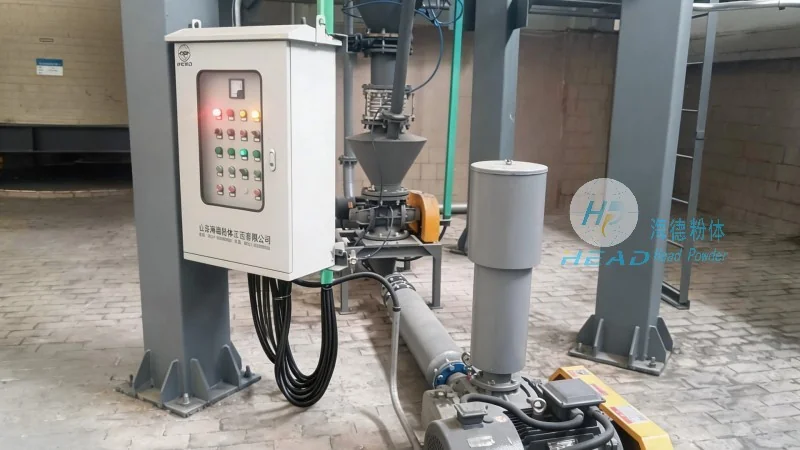
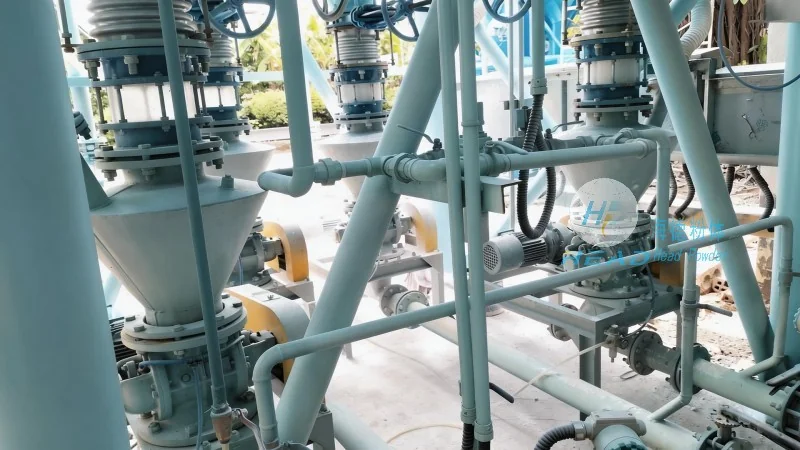
The Core Function and Application of Garbage Pneumatic Conveyors
A garbage pneumatic conveyor, also known as a waste pneumatic conveying machine, is a system that uses compressed air or gas to transport bulk materials, including solid waste, through a pipeline network. Unlike traditional mechanical conveyors, which rely on physical contact and friction, pneumatic systems utilize air pressure to move materials, making them ideal for handling delicate or hazardous waste without causing contamination or damage. These systems are widely used in municipal waste management, industrial waste processing, and recycling facilities, where the need to transport large volumes of waste over long distances efficiently is paramount.
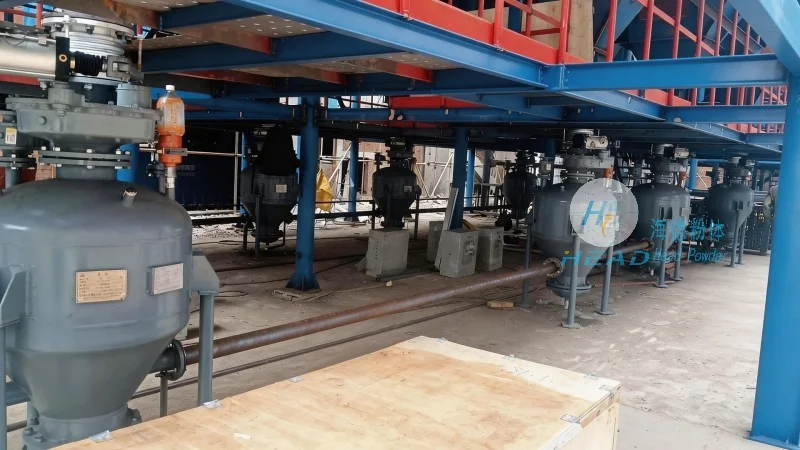
Key Design Principles of Pneumatic Conveying Systems for Waste Handling
The design of a waste pneumatic conveyor is governed by several critical principles that ensure optimal performance and reliability. The first principle is the selection of the appropriate conveying method, which can be categorized into two main types: dilute-phase and dense-phase. Dilute-phase systems use low air velocity and high material concentration, suitable for short-distance transport of light materials. Dense-phase systems, on the other hand, employ higher air velocity and lower material concentration, ideal for long-distance transport of heavy or abrasive materials. The choice between these methods depends on factors such as the type of waste, the distance to be covered, and the required flow rate.
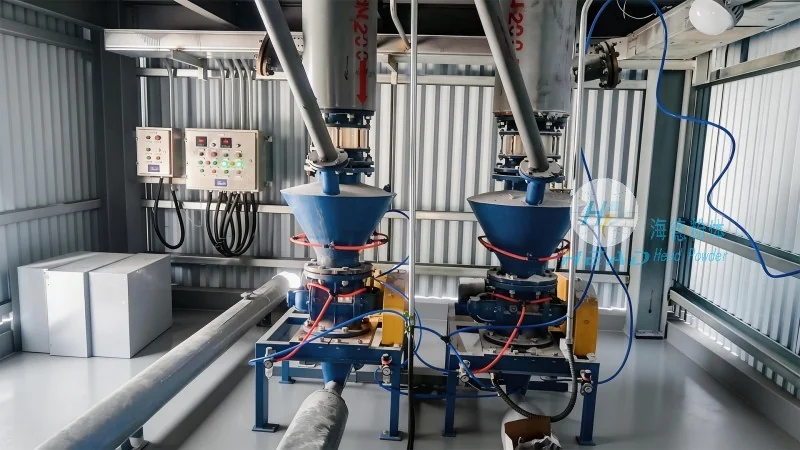
Another key design principle is the system's pressure and flow rate management. The pressure of the compressed air or gas must be sufficient to overcome the resistance of the pipeline and the weight of the material being conveyed. This is typically achieved through the use of high-pressure blowers or compressors, which are carefully selected based on the system's capacity and operational requirements. The flow rate, measured in cubic meters per hour or pounds per hour, is another critical parameter that determines the system's throughput and efficiency.




