Phosphate iron lithium (LFP) is a type of lithium-ion battery cathode material widely used in electric vehicles and energy storage systems due to its high safety, long cycle life, and stable performance. The pneumatic conveying machine designed for handling LFP powder is a specialized equipment that efficiently transports this material in a dust-free and controlled environment. This article explores the concept of a phosphate iron lithium pneumatic conveying machine and delves into its fundamental design principles, highlighting the technical aspects and operational considerations essential for effective material handling in industrial applications.
Understanding the Phosphate Iron Lithium Pneumatic Conveying Machine
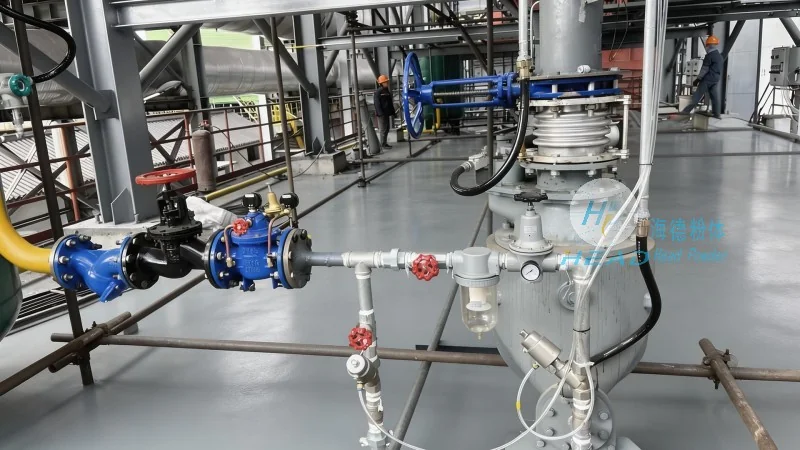
A phosphate iron lithium pneumatic conveying machine is a system engineered to transport fine powders, such as the phosphate iron lithium powder used in battery manufacturing, through an air stream. Unlike traditional mechanical conveyors, this equipment relies on compressed air to move the material, ensuring minimal contamination and maintaining the integrity of the powder. The machine typically consists of a hopper for material storage, a blower or compressor to generate the air flow, a pipeline system for material transport, and a collection device at the end of the line. The design is tailored to handle the specific properties of LFP powder, which includes its fine particle size, electrostatic charge, and potential sensitivity to moisture or oxidation.
Key Components and Their Functions
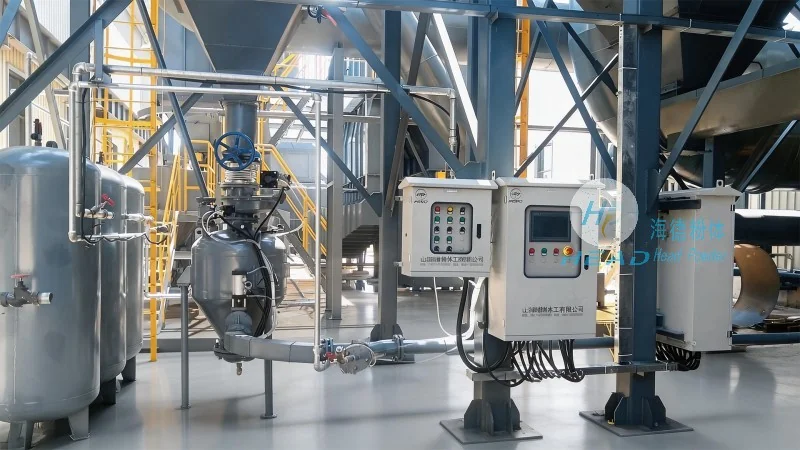
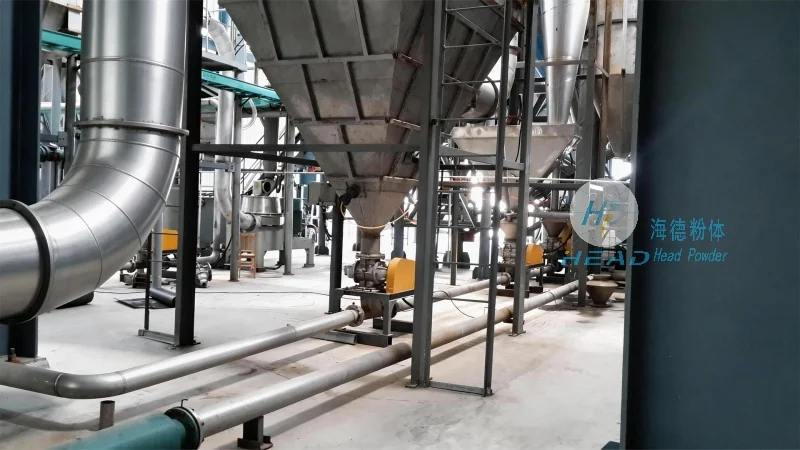
The effectiveness of a phosphate iron lithium pneumatic conveying machine depends on several critical components, each playing a vital role in the overall operation. The hopper is the primary storage unit, designed with smooth surfaces and appropriate angles to prevent material bridging or caking, which can impede flow. It often includes a discharge valve or feeder to regulate the material release rate. The blower or compressor provides the necessary air pressure and volume to create the conveying air stream. This component must be capable of handling the specific air requirements for LFP powder, ensuring sufficient velocity to overcome particle resistance and maintain a stable flow. The pipeline system connects the hopper to the collection point and is constructed from materials resistant to the chemical properties of LFP powder, such as stainless steel or specialized coatings, to prevent corrosion or contamination. The collection device, typically a cyclone separator or bag filter, separates the material from the air stream, allowing the powder to be deposited in a designated container while the air is either recirculated or vented safely.
Design Principles for Efficient LFP Powder Handling
The design principles of a phosphate iron lithium pneumatic conveying machine are centered on optimizing material transport while maintaining the quality and safety of the LFP powder. One key principle is maintaining a consistent air velocity throughout the pipeline. Insufficient velocity can cause particle settling or blockages, while excessive velocity may lead to increased wear on components and higher energy consumption. Engineers calculate the optimal air velocity based on the particle size, density, and flow rate of the LFP powder, ensuring that the particles remain suspended in the air stream without causing excessive pressure drops. Another critical principle is the prevention of electrostatic discharge. LFP powder is prone to generating static electricity during handling, which can lead to dust explosions or material loss. The design incorporates anti-static measures, such as grounding the equipment and using conductive materials, to dissipate static charges safely. Additionally, the system is designed to minimize exposure to moisture and oxygen, as these can degrade the battery material. The air used in the conveying process is often filtered and dried to remove contaminants, and the equipment is sealed to prevent external moisture ingress.
Operational Considerations and Maintenance
Proper operation and maintenance are essential for the reliable performance of a phosphate iron lithium pneumatic conveying machine. Regular monitoring of air pressure, flow rate, and material feed rate helps detect any deviations that could indicate blockages or system inefficiencies. The equipment should be cleaned regularly to remove accumulated powder, which can affect performance and pose a fire hazard. Components such as the blower, pipeline, and collection device require periodic inspection and replacement to ensure longevity and safety. For example, the blower blades may need to be replaced if they show signs of wear, and the cyclone separator should be cleaned to maintain its efficiency in separating powder from air. Additionally, the system should be equipped with safety features, such as pressure relief valves and emergency shut-off mechanisms, to prevent accidents during operation.
Applications and Benefits in Industrial Settings
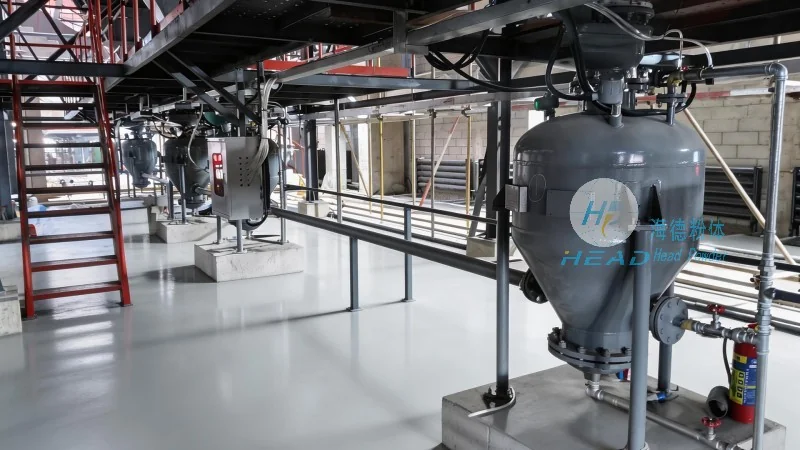
Phosphate iron lithium pneumatic conveying machines are widely used in the battery manufacturing industry, particularly in the production of lithium-ion batteries for electric vehicles and renewable energy storage systems. The equipment is also applicable in research and development laboratories where LFP powder is handled for testing and analysis. The primary benefits of using this machine include its ability to transport LFP powder in a dust-free environment, which is crucial for maintaining the quality of the material and preventing contamination. The system also offers high efficiency in terms of material throughput, allowing for continuous and automated production processes. Furthermore, the design minimizes human exposure to the powder, reducing the risk of respiratory issues or other health hazards associated with handling fine powders. By ensuring the safe and efficient transport of LFP powder, the machine contributes to the overall productivity and safety of industrial operations.
About Shandong HeadPowder Engineering Co., Ltd.
Shandong HeadPowder Engineering Co., Ltd., a leading manufacturer based in China, specializes in the design and production of advanced material handling equipment, including pneumatic conveying systems for various industrial applications. With a strong commitment to quality and innovation, the company has developed specialized solutions tailored to the unique requirements of industries such as battery manufacturing, pharmaceuticals, and food processing. HeadPowder's products are engineered to meet international standards and are known for their reliability, durability, and energy efficiency. The company's team of experienced engineers and technicians works closely with clients to understand their specific needs and provide customized solutions that enhance operational performance and safety. HeadPowder's facilities are equipped with state-of-the-art technology and quality control measures to ensure that every product meets the highest standards of excellence. By leveraging their expertise in material handling technology, HeadPowder continues to be a trusted partner for businesses seeking efficient and safe solutions for their material transport needs.




