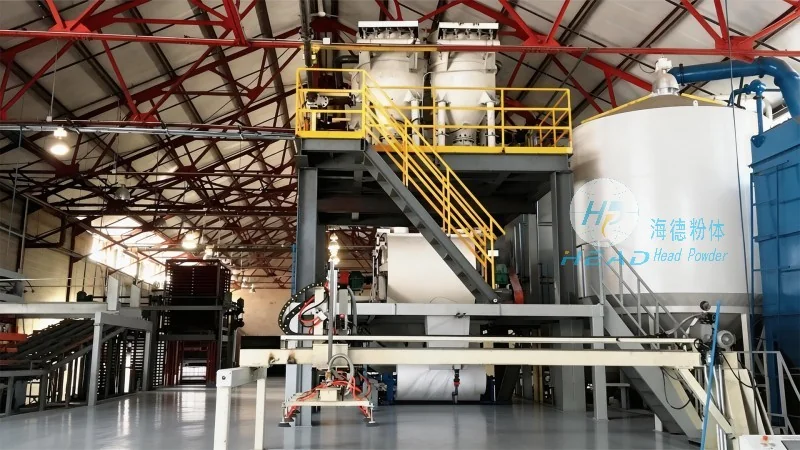
Textile fiber pneumatic conveying systems are specialized equipment designed to transport loose or bulk textile materials efficiently and safely. These systems utilize air as the primary medium to move fibers, particles, or other granular materials through a pipeline network. The technology is widely used in the textile industry for applications such as raw material handling, waste management, and product distribution. Understanding the equipment and its underlying design principles is crucial for optimizing performance, ensuring operational efficiency, and maintaining the quality of the conveyed materials.
Introduction to Textile Fiber Pneumatic Conveying Systems
Textile fiber pneumatic conveying systems are engineered to handle the unique characteristics of textile fibers, which often include low density, high moisture content, and varying particle sizes. Unlike traditional mechanical conveyors, pneumatic systems offer advantages such as reduced product contamination, minimal maintenance requirements, and the ability to transport materials over long distances without the need for multiple transfer points. The core components of a typical system include a feeding mechanism, a conveying line, a separation or collection unit, and a control system. Each component plays a critical role in ensuring the smooth and reliable operation of the entire process.
Key Components of a Textile Fiber Pneumatic Conveying System
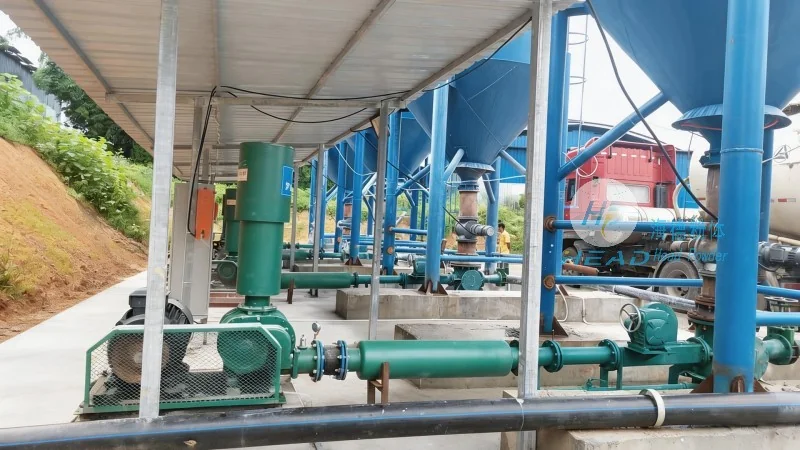
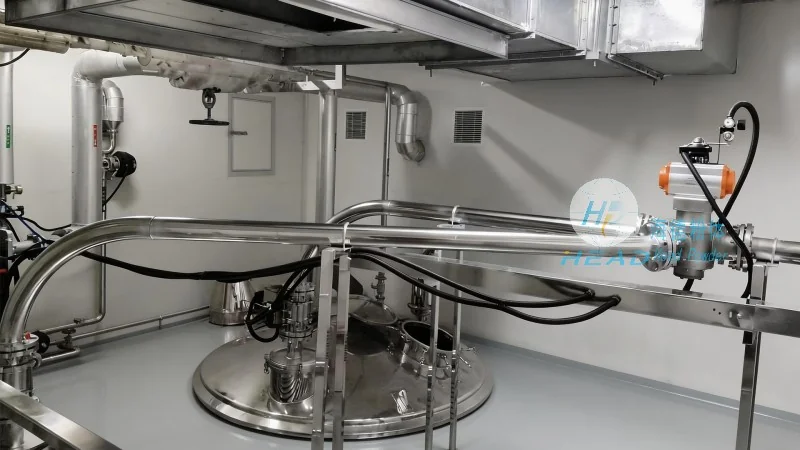
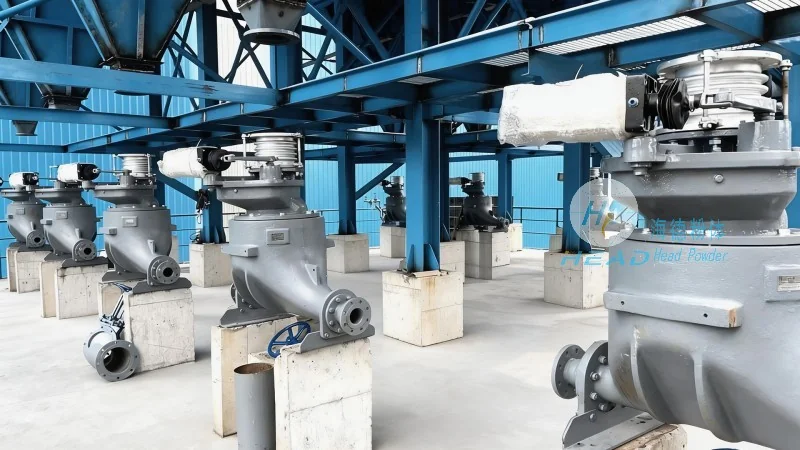
The feeding mechanism is responsible for introducing the textile fibers into the conveying line. This can be achieved through various methods, including rotary valves, screw feeders, or even manual loading, depending on the system's design and the material's properties. The conveying line itself is typically made of stainless steel or other corrosion-resistant materials to prevent contamination and ensure durability. The line may include bends, elbows, or other fittings that are carefully designed to minimize pressure losses and maintain consistent airflow. At the end of the line, a separation or collection unit is used to discharge the fibers into a storage bin or processing equipment. This unit may include cyclones, filters, or other devices to separate the fibers from the air stream and prevent dust emissions.
Design Principles and Operational Considerations
The design of a textile fiber pneumatic conveying system is based on several key principles, including the principles of fluid dynamics, material handling, and system efficiency. Engineers must consider factors such as the material's density, moisture content, and particle size distribution to determine the appropriate air velocity and pressure required for effective transport. The system's design also takes into account the need for minimal pressure drop along the conveying line, as excessive pressure loss can lead to reduced conveying capacity or the need for additional air boosters. Additionally, the system must be designed to handle variations in material flow rates and to provide reliable operation under different environmental conditions, such as temperature and humidity variations.
Advantages of Textile Fiber Pneumatic Conveying Systems
Compared to traditional mechanical conveyors, textile fiber pneumatic conveying systems offer several advantages that make them ideal for the textile industry. One of the primary benefits is the reduction of product contamination, as the system operates in a closed environment, preventing exposure to external pollutants or contaminants. This is particularly important for high-quality textile fibers that require strict purity standards. Another advantage is the ability to transport materials over long distances with minimal maintenance. Unlike mechanical systems that require regular lubrication and part replacement, pneumatic systems have fewer moving parts and are less prone to wear and tear. Furthermore, the systems can be easily integrated with other processing equipment, allowing for seamless material flow from raw material handling to final product packaging.
Applications in the Textile Industry
Textile fiber pneumatic conveying systems are used in a wide range of applications within the textile industry. In raw material handling, these systems are used to transport cotton, wool, or synthetic fibers from storage bins to processing machines, such as carding or spinning equipment. In waste management, they can be used to collect and transport textile waste or scraps from production lines to recycling or disposal facilities. Additionally, the systems are used in product distribution, where they help move finished textile products, such as yarn or fabric, from the production facility to storage or shipping areas. The versatility of these systems makes them a valuable asset for textile manufacturers looking to improve operational efficiency and maintain product quality.
Maintenance and Operational Best Practices
To ensure the long-term performance and reliability of a textile fiber pneumatic conveying system, regular maintenance and adherence to operational best practices are essential. This includes regular cleaning of the conveying line and separation units to prevent clogging and maintain airflow efficiency. The system's components, such as rotary valves and air filters, should be inspected and replaced as needed to prevent performance degradation. Additionally, operators should monitor system pressure and airflow rates to detect any signs of issues early, allowing for timely maintenance and preventing costly downtime. Proper training of personnel on the system's operation and maintenance is also crucial for maximizing the system's lifespan and minimizing operational costs.
About Shandong HeadPowder Engineering Co., Ltd.
Shandong HeadPowder Engineering Co., Ltd. is a leading manufacturer and supplier of textile fiber pneumatic conveying systems and related equipment. With a strong focus on innovation and quality, the company has established itself as a trusted partner for textile manufacturers worldwide. HeadPowder's products are designed to meet the specific needs of the textile industry, offering reliable performance, high efficiency, and minimal maintenance requirements. The company's commitment to customer satisfaction and technical excellence has made it a preferred choice for businesses seeking to enhance their material handling processes. HeadPowder's headquarters is located in Shandong, China, where the company's research and development team continuously works to develop new and improved solutions for the textile industry.




