Buckwheat hull powder conveying machines are specialized equipment designed to handle and transport fine powders, particularly those derived from buckwheat hulls. These machines are essential in industrial settings where efficient and reliable powder handling is critical. The primary function of such equipment is to move bulk powders from one location to another within a processing facility, ensuring smooth workflow and minimizing material loss. For industries dealing with agricultural byproducts or specialized food ingredients, the proper selection and understanding of these conveying systems are paramount.
Design Principles of Powder Conveying Systems
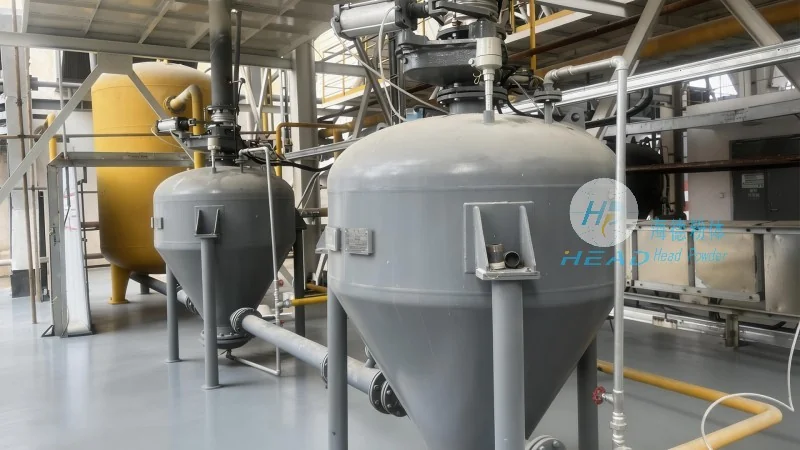
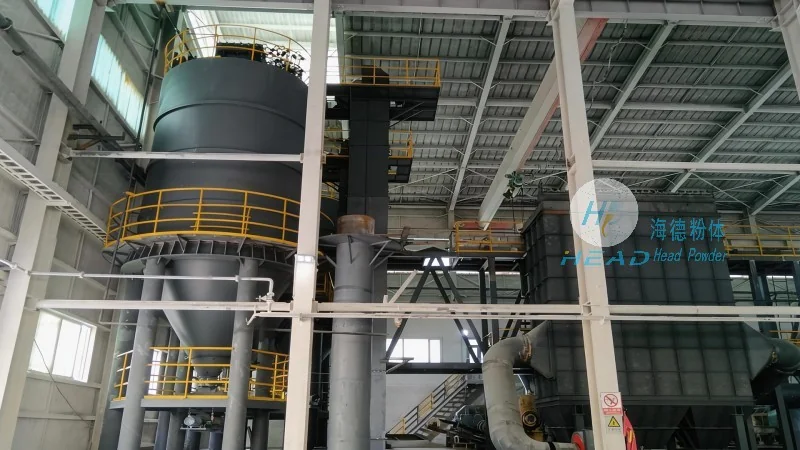
The design of buckwheat hull powder conveying machines is built on fundamental principles of fluidization, air flow, and mechanical transport. The core concept involves creating a controlled environment where the powder behaves like a fluid, allowing it to be moved through pipes or ducts using air pressure. This approach, known as pneumatic conveying, is widely used due to its ability to handle fine, abrasive, or sensitive powders without the need for mechanical components that might cause wear or contamination. The design typically includes a hopper for material storage, a feeder to control the flow rate, and a conveying line with appropriate air flow management. Key design considerations include the particle size distribution of the buckwheat hulls, the moisture content, and the desired conveying distance and speed. Engineers from companies like Shandong HeadPowder Engineering Co., Ltd. carefully analyze these factors to develop systems that ensure optimal performance and longevity.
Components and Operational Mechanisms
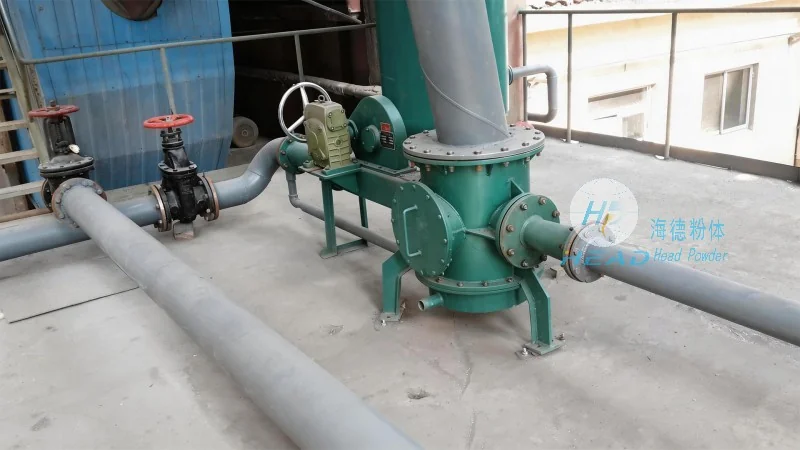
Modern buckwheat hull powder conveying machines consist of several key components that work in concert to achieve efficient transport. The hopper, often equipped with a discharge valve or feeder, holds the bulk material and regulates the flow into the conveying system. The feeder, which can be a rotary valve, screw feeder, or vibratory feeder, controls the rate at which powder enters the conveying line, preventing overloading and ensuring consistent air flow. The conveying line itself is usually made of materials resistant to abrasion and corrosion, such as stainless steel or special plastics, to withstand the abrasive nature of buckwheat hulls. Air is supplied by a blower or compressor, creating a pressure differential that propels the powder through the line. The system may include filters and cyclones to separate the powder from the air at the discharge end, ensuring that the material is collected cleanly and the air is returned to the environment or filtered for reuse. The control system, often integrated with sensors and automation, monitors parameters like pressure, flow rate, and material level, providing real-time feedback and adjustments to maintain optimal operation.
Applications and Benefits in Industrial Processing
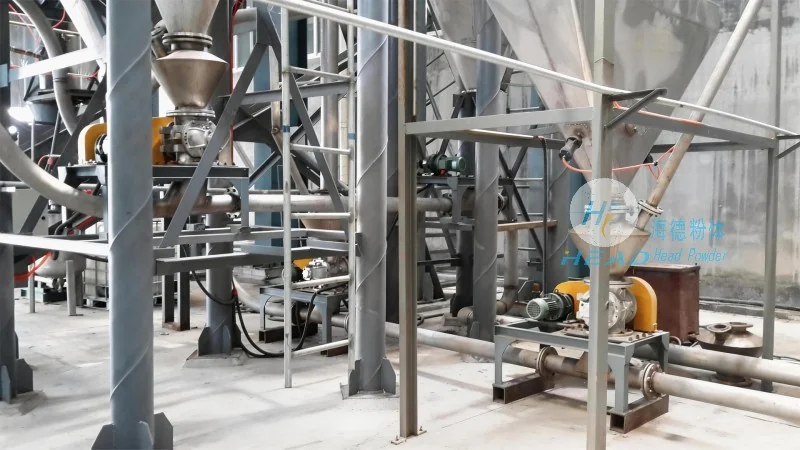
Buckwheat hull powder conveying machines find applications in various industries, including food processing, pharmaceuticals, and agricultural product handling. In the food industry, these machines are used to transport buckwheat hulls or their processed powders for use in dietary supplements, animal feed, or specialty food products. The ability to handle fine powders without contamination is crucial for maintaining product quality and safety. In pharmaceutical applications, the equipment ensures that powders are moved hygienically, adhering to strict regulatory standards. The benefits of using such conveying systems include reduced labor costs, improved safety by minimizing manual handling of powders, and enhanced process efficiency. Additionally, the design allows for easy integration into existing production lines, providing a seamless transition from raw material handling to processing stages. Companies like Shandong HeadPowder Engineering Co., Ltd. tailor their machines to meet specific industry requirements, ensuring that clients receive solutions that are both effective and cost-efficient.




