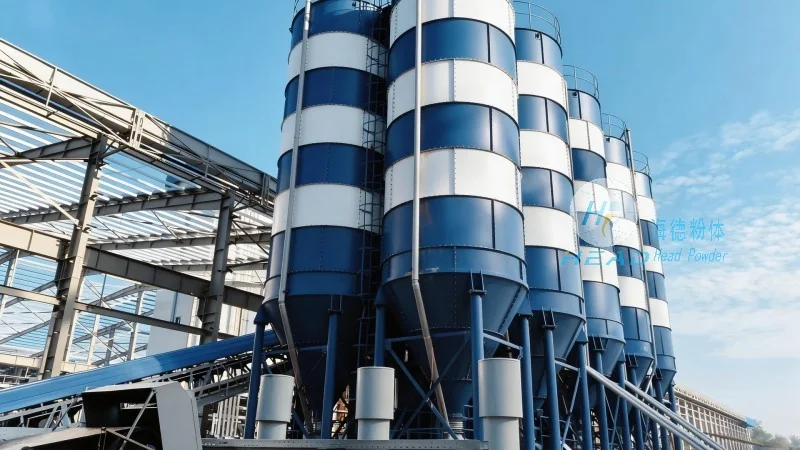
Spice powder conveying machines are specialized equipment designed for the efficient and safe transportation of dry powders, particularly in the food processing industry. These machines are crucial for handling spices and other similar powders, ensuring they are moved from storage to processing areas without compromising quality or safety. The design of such machinery is tailored to meet the unique challenges posed by these materials, including their fine particle size, potential for dust generation, and the need for hygienic operation.
Introduction to Spice Powder Conveying Machines
A spice powder conveying machine, also known as a powder conveyor, is a system used to transport dry, free-flowing powders like spices from one location to another within a production facility. These machines are essential in industries such as food processing, pharmaceuticals, and chemical manufacturing, where the handling of powders is a common requirement. The primary goal of these systems is to achieve reliable, continuous, and hygienic powder transfer, minimizing the risk of contamination and ensuring product integrity.
Company Overview: Shandong HeadPowder Engineering Co., Ltd.
HeadPowder, or Shandong HeadPowder Engineering Co., Ltd., is a leading manufacturer specializing in the design and production of powder handling equipment. With a focus on innovation and quality, the company has established itself as a trusted provider of conveying solutions for various industries. HeadPowder's expertise lies in creating customized powder conveying systems that meet the specific needs of clients, ensuring optimal performance and durability. The company operates from China, where it leverages advanced technology and manufacturing capabilities to deliver high-quality products.
Design Principles of Spice Powder Conveying Machines
The design of a spice powder conveying machine is based on several key principles to ensure effective and safe operation. These principles include the selection of appropriate materials, the use of components that minimize dust generation, and the implementation of systems that maintain hygiene standards. The machine's structure typically involves a combination of components such as hoppers, feeders, conveyors, and control systems. Each part is engineered to work in harmony, ensuring smooth and continuous powder flow.
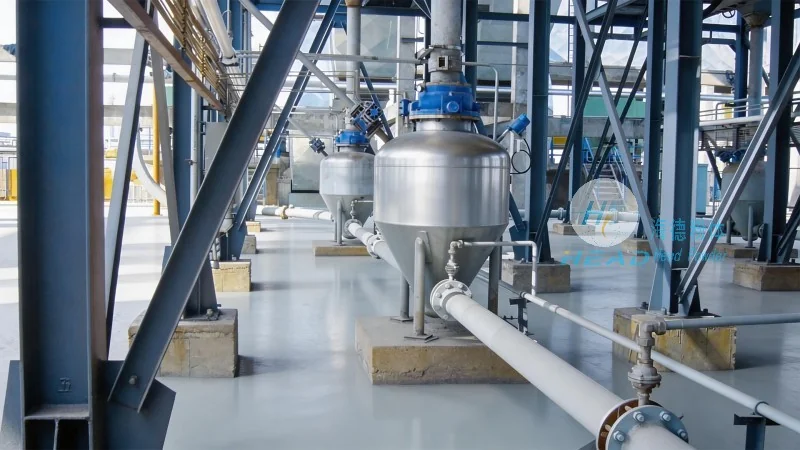
One of the critical design aspects is the material selection. Since spices are often sensitive to moisture and contamination, the conveying machine is constructed from materials like stainless steel, which is non-corrosive and easy to clean. This choice helps maintain the purity of the spice powder and adheres to industry hygiene regulations. Additionally, the machine incorporates features like sealed hoppers and enclosed conveyor systems to prevent dust from escaping and to protect the environment and personnel from exposure.
Key Components and Their Functions
A spice powder conveying machine consists of several key components, each playing a vital role in the overall operation. The main components include the hopper, which stores the spice powder; the feeder, which controls the flow rate of the powder into the conveyor; the conveyor itself, which transports the powder; and the control system, which manages the entire process. The hopper is designed to hold a sufficient quantity of powder, ensuring a steady supply to the feeder. The feeder, often a rotary valve or a screw feeder, regulates the amount of powder released, preventing overloading or underloading of the conveyor.
The conveyor system, which can be a pneumatic conveyor or a mechanical conveyor like a screw or belt conveyor, is responsible for moving the powder from the hopper to the desired destination. Pneumatic conveyors use air pressure to transport the powder, while mechanical conveyors rely on mechanical force. The choice of conveyor type depends on factors such as the powder's properties, the distance to be covered, and the required flow rate. For spice powders, which are often fine and prone to caking, a mechanical conveyor like a screw conveyor is commonly used due to its ability to handle such materials effectively.
Working Principle of the Conveying Process
The working principle of a spice powder conveying machine involves the controlled movement of powder from the storage hopper to the processing area. The process typically starts with the powder being fed from the hopper into the feeder. The feeder then regulates the flow rate, ensuring a consistent supply of powder to the conveyor. The conveyor then transports the powder through the system, often using a series of tubes or a continuous belt, to the final destination. The entire process is controlled by a central system that monitors parameters such as flow rate, pressure, and temperature, ensuring optimal performance and preventing issues like blockages or overloading.
In a pneumatic conveying system, air is used to create a flow that carries the powder particles. The air is introduced into the system at a specific pressure, and the powder is suspended in the air stream, moving through the pipes. This method is particularly effective for transporting fine powders over longer distances. However, it requires careful control of air pressure and flow rate to prevent dust accumulation and ensure efficient transport. Mechanical conveyors, on the other hand, use physical force to move the powder, such as the rotation of a screw or the movement of a belt. These systems are generally more suitable for shorter distances and larger quantities of powder.
Advantages of Using a Spice Powder Conveying Machine
Implementing a spice powder conveying machine offers several advantages for food processing and other industries. One of the primary benefits is the improvement in operational efficiency. These machines allow for continuous and automated powder transfer, reducing the need for manual handling and minimizing downtime. This leads to increased productivity and lower labor costs. Additionally, the machines help maintain product quality by preventing contamination and ensuring consistent flow rates.
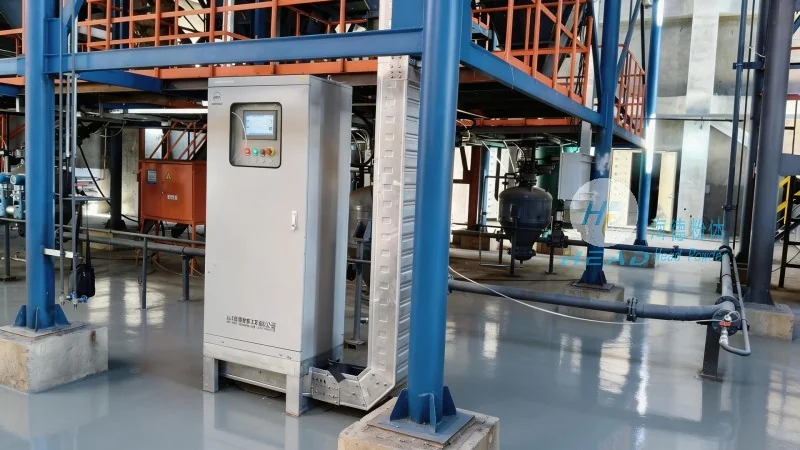
Another advantage is the enhanced safety and hygiene. By using enclosed systems and sealed components, the conveying machine minimizes the risk of dust exposure and cross-contamination. This is particularly important in food processing, where hygiene is a top priority. The use of stainless steel and other non-corrosive materials further contributes to maintaining a clean environment, reducing the risk of bacterial growth and other issues. Furthermore, the machines are designed to be easy to clean and maintain, ensuring that they can be sanitized regularly to meet regulatory standards.
Applications in the Food Industry
Spice powder conveying machines are widely used in the food industry for various applications. They are commonly employed in the production of spices, seasonings, and other food additives. The machines are used to transport spices from storage silos to processing lines, ensuring a steady supply of ingredients for food manufacturing. In addition, they are used in the packaging process, where the powder is transferred from the production line to packaging machines. The consistent and hygienic transfer of powder is crucial for maintaining the quality and safety of the final product.
These machines are also used in the handling of other dry food products, such as flour, sugar, and cocoa powder. The principles and components of spice powder conveyors can be adapted to handle these materials as well, making them versatile solutions for various food processing needs. The ability to customize the system to meet specific requirements allows companies to optimize their operations and improve overall efficiency.
Conclusion
Spice powder conveying machines are essential equipment in the food processing industry, designed to efficiently and safely transport dry powders like spices. The design principles, components, and working mechanisms of these machines are tailored to meet the unique challenges of handling such materials. Companies like Shandong HeadPowder Engineering Co., Ltd. play a crucial role in providing these solutions, leveraging advanced technology and manufacturing expertise to deliver high-quality conveying systems. By implementing these machines, food processing companies can enhance their operational efficiency, maintain product quality, and ensure compliance with industry hygiene standards.




