Wood ash material handling systems are specialized equipment designed to efficiently transport and manage wood ash, a byproduct of biomass combustion. These systems are crucial in various industrial applications, particularly in power generation and waste-to-energy facilities. Understanding the components and design principles of such systems is essential for optimizing operational efficiency and ensuring safe material handling. The systems are typically engineered by companies like Shandong HeadPowder Engineering Co., Ltd., a leading provider of material handling solutions based in China.
Introduction to Wood Ash Material Handling Systems
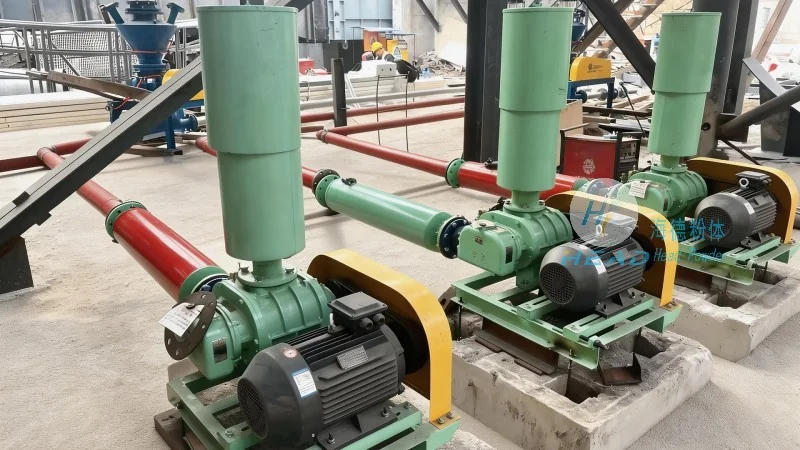
Wood ash, produced from the combustion of biomass like wood chips, pellets, or other organic materials, contains valuable minerals and can be repurposed as a soil amendment or fertilizer. However, its handling requires specialized equipment due to its abrasive nature and potential for dust generation. A wood ash material handling system typically includes components such as feeders, conveyors, storage silos, and processing units. The design of these systems must consider factors like material flow, dust control, and environmental compliance.
Key Components of a Wood Ash Material Handling System
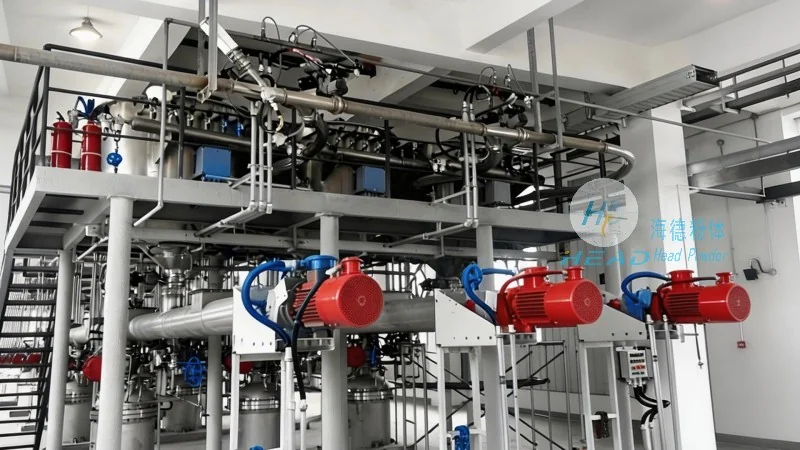
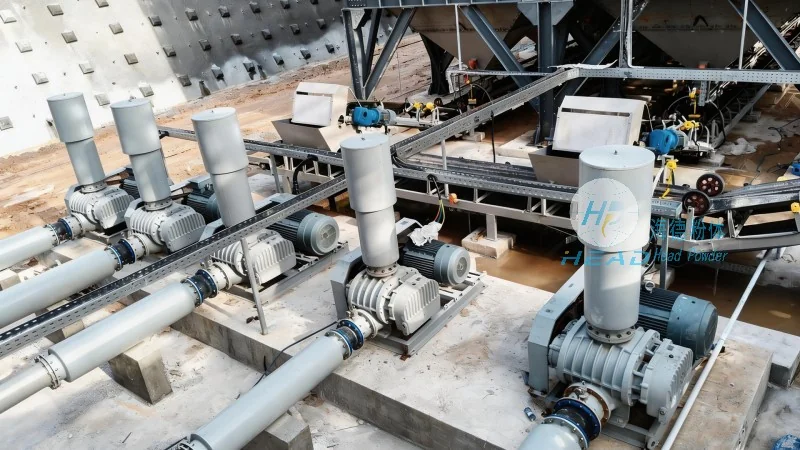
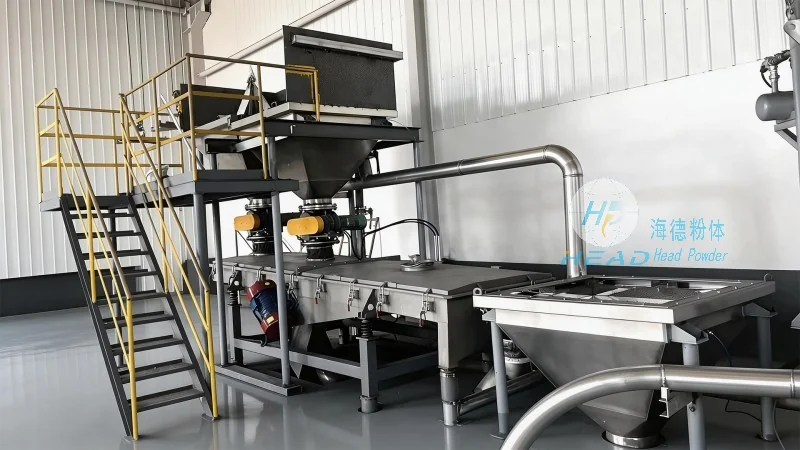
The core components of a wood ash material handling system include: 1. **Feeders**: These devices, such as screw feeders or vibratory feeders, regulate the flow of wood ash from storage silos or hoppers to the conveyor system. 2. **Conveyors**: Common types include belt conveyors, chain conveyors, or pneumatic conveying systems, which transport wood ash from one location to another. 3. **Storage Silos**: Large, airtight silos are used to store wood ash, preventing moisture absorption and dust dispersion. 4. **Processing Units**: These may include classifiers, grinders, or screening equipment to modify the ash's particle size for specific applications.
Design Principles for Efficient Material Handling
The design of a wood ash material handling system is guided by several key principles to ensure optimal performance and safety. First, **material flow optimization** is critical. The system must ensure consistent and unobstructed flow of wood ash through all components, minimizing blockages and downtime. This involves proper sizing of feeders, conveyors, and silos based on the ash's bulk density and flow characteristics. Second, **dust control** is essential to maintain a safe working environment and comply with environmental regulations. Systems often incorporate dust collection systems, sealed enclosures, and air filtration units to capture and neutralize airborne particles. Third, **mechanical durability** is required due to the abrasive nature of wood ash. Components are typically constructed from wear-resistant materials, such as stainless steel or special alloys, to extend their service life and reduce maintenance costs.
Application of Wood Ash Material Handling Systems
Wood ash material handling systems are widely used in power plants, biomass energy facilities, and waste management operations. In power generation, these systems transport ash from boilers to storage or disposal sites. In waste-to-energy plants, they facilitate the processing of ash for recycling or reuse. The efficiency of these systems directly impacts the overall productivity of the facility, as any inefficiency in material handling can lead to increased operational costs and reduced energy output.
Conclusion
Wood ash material handling systems are sophisticated pieces of equipment that play a vital role in managing wood ash from biomass combustion. By adhering to design principles focused on material flow, dust control, and mechanical durability, these systems ensure safe, efficient, and environmentally responsible handling of wood ash. For industries relying on biomass energy, investing in a well-designed material handling system is a key step toward optimizing operations and maximizing the value of wood ash as a resource. Shandong HeadPowder Engineering Co., Ltd. specializes in providing tailored material handling solutions for wood ash management, leveraging years of experience in engineering and manufacturing to meet the diverse needs of industrial clients.




