

What is a Secondary Zinc Oxide Material Conveying Line? What are its Design Principles?
Understanding the secondary zinc oxide material conveying line and its design principles is crucial for industries dealing with the handling and transportation of zinc oxide materials. This article, provided by Shandong HeadPowder Engineering Co., Ltd. (headpowder), aims to provide a comprehensive overview, focusing on the functional aspects and engineering considerations that define such systems.
Introduction to Secondary Zinc Oxide Material Conveying Lines
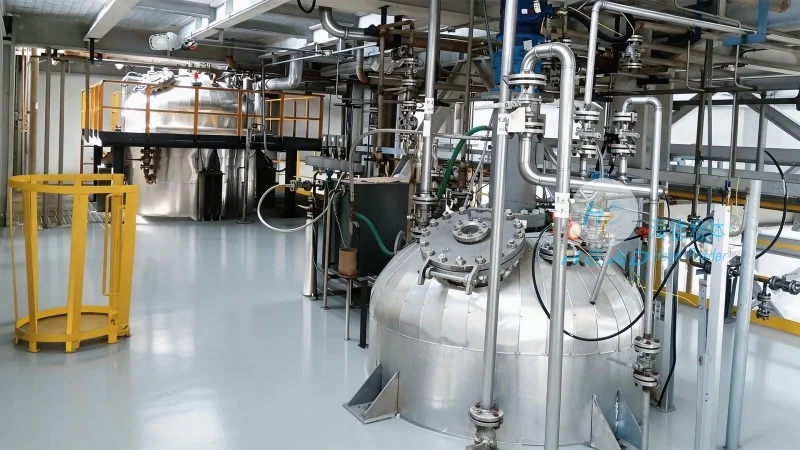
Secondary zinc oxide material conveying lines are specialized systems engineered to transport zinc oxide powders or granules from one processing stage to another within industrial facilities. These lines are integral to the manufacturing processes of zinc oxide, a key ingredient in various products like rubber, paints, and pharmaceuticals. The design of these conveying lines must address several critical factors, including material properties, operational efficiency, and safety standards.
Key Components of a Secondary Zinc Oxide Conveying Line
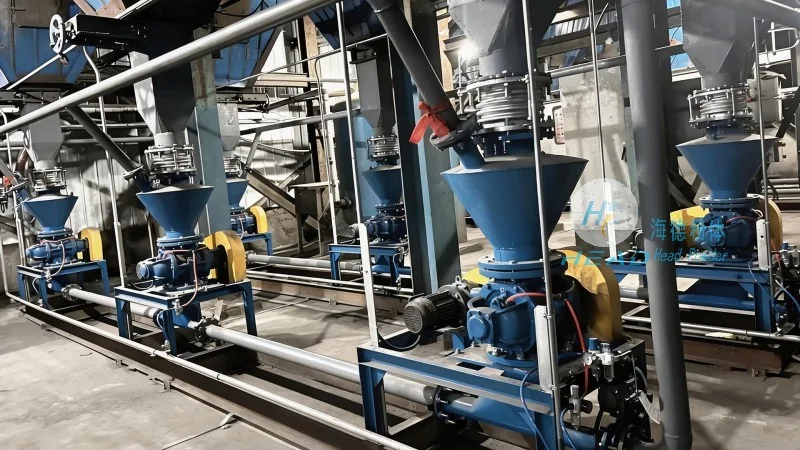
The primary components of a secondary zinc oxide material conveying line typically include feeders, conveyors (such as screw conveyors or pneumatic systems), control systems, and dust collection units. Each component plays a vital role in ensuring the smooth and safe operation of the system. For instance, feeders are responsible for uniformly feeding the zinc oxide material into the conveyor, while conveyors transport it to the next processing unit. Control systems monitor and regulate the flow, and dust collection units prevent the release of airborne particles, maintaining a safe working environment.
Design Principles for Efficient Material Handling
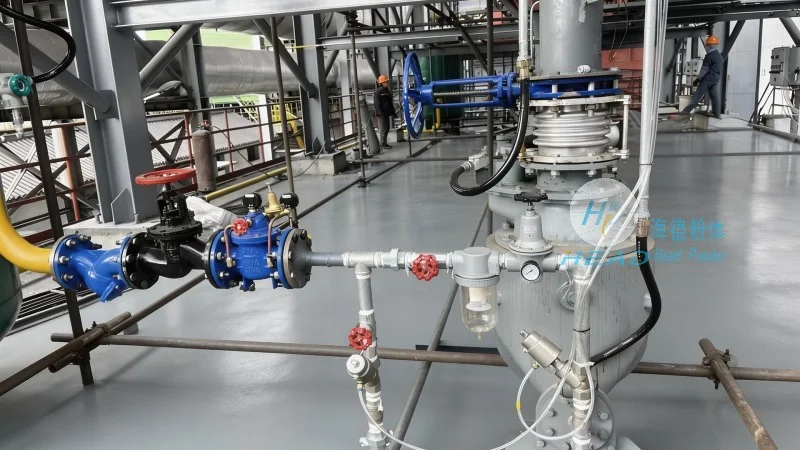
The design principles of a secondary zinc oxide material conveying line are centered on optimizing material flow, minimizing downtime, and ensuring product quality. Engineers must consider the physical properties of zinc oxide, such as its density, flowability, and potential for caking, when selecting the appropriate conveyor type. For example, if the material is prone to caking, a screw conveyor with a high-speed or variable-speed drive may be preferred to prevent blockages. Additionally, the system must be designed to handle variations in material feed rates, ensuring consistent performance even under fluctuating conditions.
Material Handling Considerations in Zinc Oxide Conveying
Zinc oxide is a fine powder with specific handling characteristics that influence the design of the conveying line. Its fine particle size can lead to issues like dust accumulation and increased friction, which may affect the efficiency of the system. To mitigate these issues, designers often incorporate features like anti-static coatings on equipment and proper ventilation systems. Furthermore, the conveying line must be constructed from materials that are compatible with zinc oxide, such as stainless steel or corrosion-resistant alloys, to prevent contamination and equipment degradation.
Operational Efficiency and Maintenance
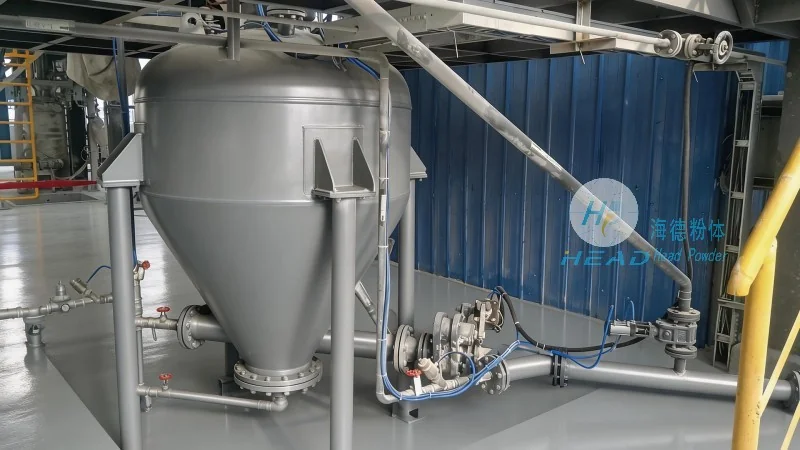
Operational efficiency is a key consideration in the design of secondary zinc oxide material conveying lines. The system should be designed to minimize energy consumption while maximizing throughput. This involves selecting the most appropriate conveyor speed and power rating based on the material's characteristics and the required production capacity. Regular maintenance is also essential to ensure the longevity and reliability of the system. This includes routine checks of components like bearings, seals, and drive mechanisms, as well as cleaning of the conveyor and associated equipment to prevent material buildup and blockages.
Safety and Environmental Compliance
Safety is a paramount concern in the operation of zinc oxide material conveying lines, given the potential health risks associated with fine powders. The design must incorporate safety features such as enclosed systems to contain dust, emergency stop buttons, and proper ventilation to maintain air quality. Additionally, the system must comply with environmental regulations regarding the disposal of dust and the prevention of air pollution. By adhering to these safety and environmental standards, the conveying line not only protects workers but also ensures regulatory compliance.
Application in Industrial Processes
Secondary zinc oxide material conveying lines are widely used in various industrial applications, particularly in the production of rubber and chemical products. In rubber manufacturing, for example, zinc oxide is a critical component that affects the properties of the final product. The conveying line ensures that the zinc oxide is delivered to the mixing stage in a controlled manner, maintaining the quality and consistency of the rubber compounds. Similarly, in the chemical industry, these lines are used to transport zinc oxide to reactors or storage areas, supporting the production of other chemical products.
Conclusion
In conclusion, the secondary zinc oxide material conveying line is a critical component in the industrial processing of zinc oxide. Its design principles, which focus on material handling efficiency, safety, and environmental compliance, are essential for optimizing production processes. By understanding these principles and incorporating them into the design, manufacturers can ensure the reliable and efficient operation of their conveying systems, ultimately enhancing product quality and operational performance.