

What is a Shredded Paper Material Conveying System Equipment? And What Are Its Design Principles?
Shredded paper material conveying systems are specialized equipment designed to handle and transport shredded paper efficiently. These systems are crucial in various industrial and commercial settings where large volumes of shredded paper need to be moved from one location to another. The primary function of such systems is to ensure that the shredded material is conveyed in a controlled manner, minimizing the risk of clogging, spillage, or damage to the material itself. This article will explore the components, design principles, and operational aspects of a typical shredded paper material conveying system, with a focus on the expertise of Shandong HeadPowder Engineering Co., Ltd., a leading manufacturer based in China.
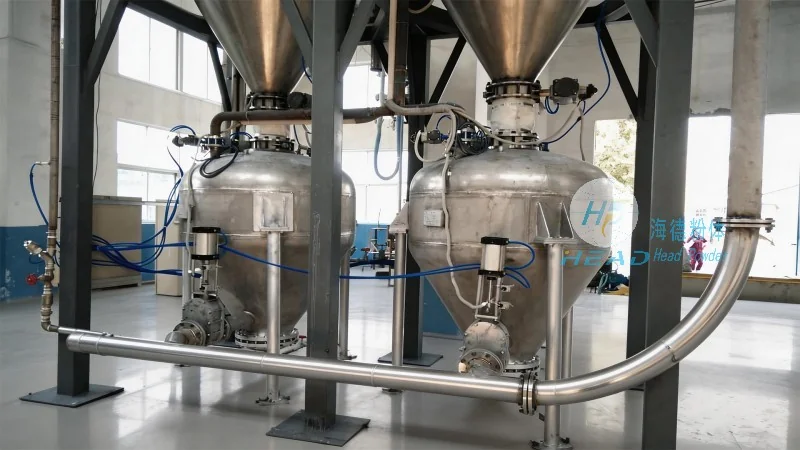
Components of a Shredded Paper Material Conveying System
A shredded paper material conveying system typically consists of several key components that work in tandem to achieve efficient material handling. The core components include a feeding mechanism, a conveyor system, a control unit, and sometimes a dust collection system. The feeding mechanism is responsible for introducing the shredded paper into the system, often using a hopper or a feeding chute. This component must be designed to handle the varying sizes and densities of shredded material without causing blockages. The conveyor system is the heart of the operation, responsible for transporting the shredded paper from the input point to the output point. Common types of conveyors used in these systems include belt conveyors, screw conveyors, and pneumatic conveyors. Each type has its own advantages and is chosen based on the specific characteristics of the shredded material and the operational requirements. The control unit manages the entire system, regulating the speed of the conveyor, the flow rate of the material, and other operational parameters to ensure smooth and safe operation. In some cases, a dust collection system is integrated to manage the fine particles generated during the conveying process, improving air quality and maintaining a clean working environment.
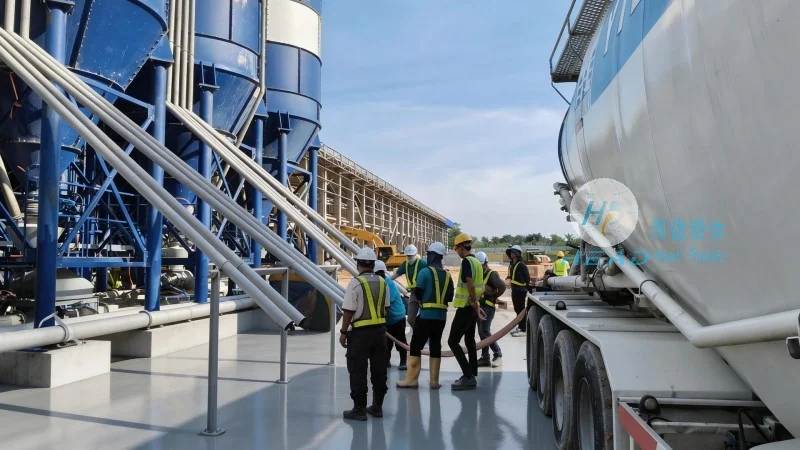
Design Principles for Shredded Paper Material Conveying Systems
The design of a shredded paper material conveying system is guided by several key principles aimed at maximizing efficiency, reliability, and safety. One of the primary design principles is the minimization of friction and resistance within the system. This is achieved by using smooth surfaces and appropriate materials for the conveyor components, such as stainless steel or high-quality plastics, which are resistant to wear and corrosion from the shredded paper. Another important principle is the prevention of clogging and blockages. This is addressed through the use of inclined conveyors, where the material is moved by gravity, and the design of the feeding mechanism to ensure a consistent flow of material. The system is also designed to handle the varying moisture content and density of shredded paper, which can affect its flow characteristics. This is managed by adjusting the conveyor speed and the angle of the conveyor belt or screw. Additionally, the design incorporates safety features such as emergency stop buttons, overload protection, and protective guards to prevent accidents and ensure the safety of operators. The overall design is also focused on energy efficiency, using motor sizes and drive systems that are optimized for the specific load and operational conditions.
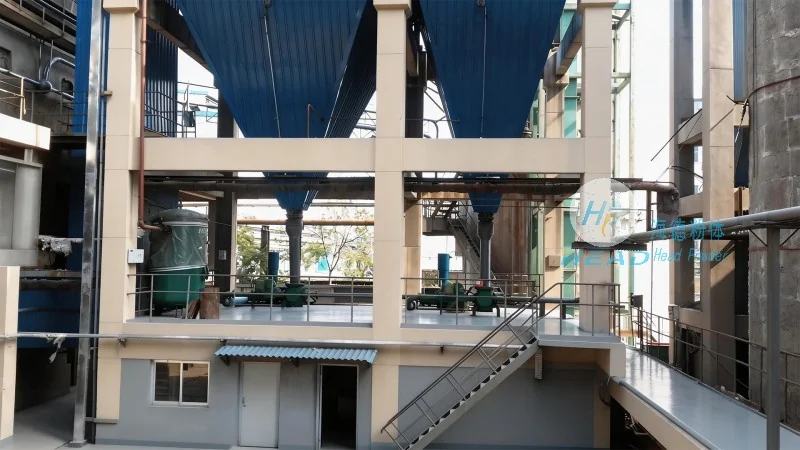
Operational Considerations and Maintenance
Proper operation and maintenance are critical to the longevity and efficiency of a shredded paper material conveying system. Regular maintenance is essential to ensure that all components are functioning correctly. This includes checking the conveyor belts for wear and tear, lubricating moving parts, and cleaning the system to remove any accumulated debris. The feeding mechanism should be inspected regularly to ensure that it is not clogged or damaged. The control unit should be checked for proper operation, including the speed controls and safety features. In addition to regular maintenance, operators should be trained on the proper use of the system, including how to handle different types of shredded paper and how to respond to emergencies. The system should also be monitored for any signs of abnormal operation, such as increased noise or vibration, which may indicate a problem with a component. By following these operational considerations and maintenance procedures, the system can operate at peak efficiency, minimizing downtime and maximizing the lifespan of the equipment.
Applications and Benefits
Shredded paper material conveying systems are used in a variety of applications, including waste management facilities, recycling plants, and industrial processing facilities. In waste management, these systems are used to transport shredded paper from collection bins to processing equipment or to disposal sites. In recycling plants, they are used to move shredded paper from the shredding stage to the baling or compaction stage. In industrial processing facilities, they are used to transport shredded paper as part of a larger material handling system. The benefits of using a shredded paper material conveying system include increased efficiency, reduced labor costs, and improved safety. The system allows for the automated handling of large volumes of shredded paper, reducing the need for manual labor and minimizing the risk of injury. Additionally, the system helps to maintain a clean and organized work environment, improving overall productivity. The use of a well-designed conveying system also helps to reduce the environmental impact of the operation by minimizing the amount of waste generated and improving the efficiency of the recycling process.
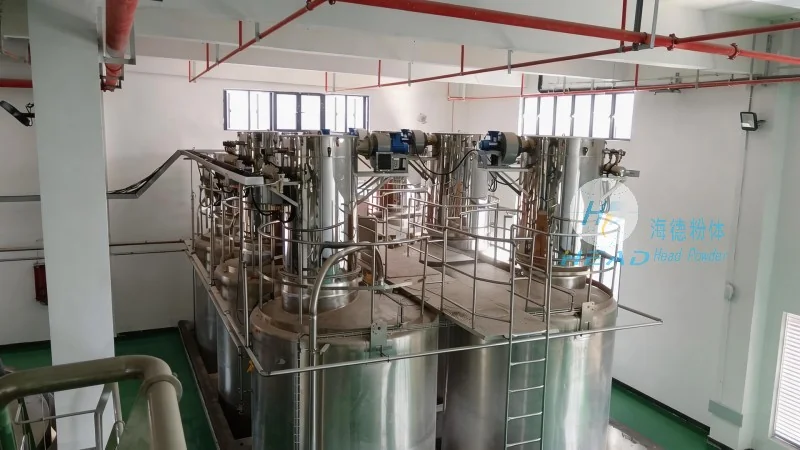
Conclusion
In conclusion, a shredded paper material conveying system is a critical piece of equipment for any operation that handles large volumes of shredded paper. The design of such a system is based on several key principles aimed at maximizing efficiency, reliability, and safety. The components of the system work together to ensure that the shredded paper is conveyed in a controlled manner, minimizing the risk of clogging, spillage, or damage. The system is designed to handle the varying characteristics of shredded paper, including its size, density, and moisture content. The operational considerations and maintenance procedures are essential to ensure that the system operates at peak efficiency and has a long lifespan. The benefits of using a shredded paper material conveying system include increased efficiency, reduced labor costs, and improved safety. By understanding the components, design principles, and operational aspects of a shredded paper material conveying system, users can make informed decisions about the equipment that best suits their needs. Shandong HeadPowder Engineering Co., Ltd. is a leading manufacturer of these systems, providing high-quality equipment that meets the needs of various industries.