

What is a Coal Ash Powder Pneumatic Conveying Equipment? And What Are Its Design Principles?
Coal ash, a byproduct of coal combustion in thermal power plants, poses significant challenges for transportation and disposal due to its fine particle size and potential environmental impact. Traditional methods like bucket elevators or belt conveyors often struggle with dust generation, material degradation, and operational inefficiencies. Pneumatic conveying equipment emerges as a sophisticated solution, enabling the efficient, dust-free movement of coal ash powder over various distances and within complex industrial layouts. This technology leverages air pressure to transport the fine particles, offering a continuous and controlled process that aligns with modern environmental and operational standards.
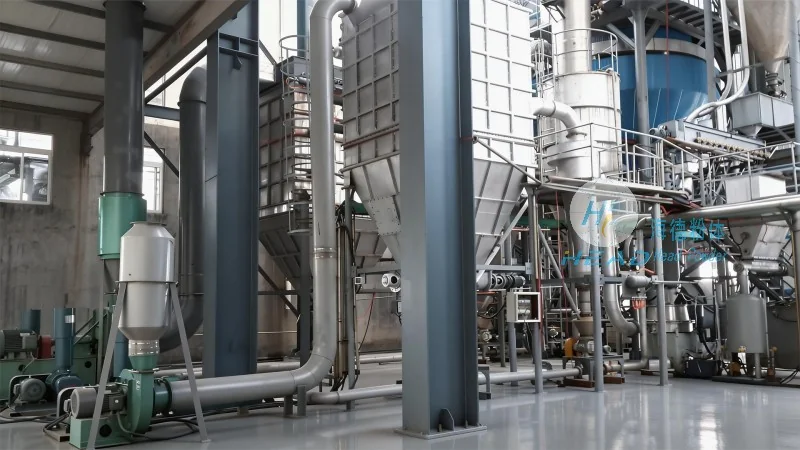
Understanding Coal Ash Powder Pneumatic Conveying Equipment
Pneumatic conveying systems for coal ash are specialized machinery designed to handle the unique properties of coal ash powder. Unlike bulk solids, coal ash particles are often fine and can be abrasive, requiring equipment that minimizes wear and ensures consistent flow. The primary function of such equipment is to transport coal ash from its source—typically the bottom of a boiler or ash hopper—to a storage silo, treatment facility, or disposal site. This process is critical for maintaining plant efficiency and adhering to environmental regulations that limit dust emissions. The equipment operates by creating a pressure differential, either by blowing air (positive pressure) or sucking air (negative pressure), to move the coal ash through a network of pipes.
The Core Function of Pneumatic Conveying Systems for Coal Ash
The core function of coal ash powder pneumatic conveying equipment is to facilitate the seamless transfer of fine coal ash particles while maintaining a dust-free environment. Unlike mechanical conveyors that rely on physical contact with the material, pneumatic systems use air as the medium, reducing friction and wear on components. This method is particularly advantageous for coal ash because it prevents the agglomeration of particles and minimizes the risk of dust dispersion during transport. The system typically includes a feed mechanism to introduce coal ash into the pipeline, a pressure source (such as a centrifugal or positive displacement blower), and a separation unit to collect the ash from the air stream. The entire process is automated, allowing for continuous operation and reduced labor requirements.
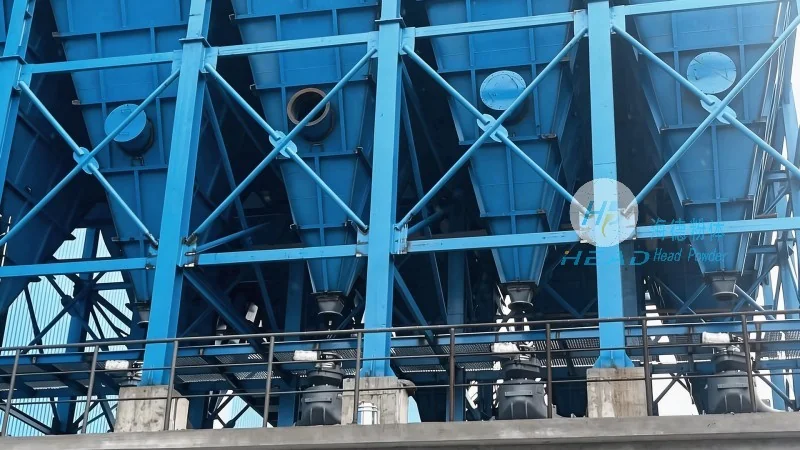
Design Principles Behind Coal Ash Powder Pneumatic Conveying Equipment
The design of coal ash powder pneumatic conveying equipment is guided by several key principles to ensure optimal performance and reliability. First, the velocity of the air stream must be sufficient to prevent particle settling but not so high as to cause excessive wear on the pipes or components. Engineers typically calculate the required air velocity based on the particle size, density, and flow rate of the coal ash. For most coal ash applications, an air velocity of 15 to 30 meters per second is common, which balances efficiency and component longevity. Second, the system’s pressure and flow rate are carefully controlled to maintain consistent particle transport. This involves selecting appropriate blower capacity and pressure, as well as designing the pipeline network with appropriate diameter and slope to prevent blockages. Third, the equipment incorporates separation technology, such as cyclone separators or bag filters, to capture the coal ash from the air stream. This separation step is critical for maintaining air quality and preventing dust emissions.
Key Components and Their Roles in the System
Several critical components work in tandem to ensure the smooth operation of a coal ash powder pneumatic conveying system. The first component is the feed device, which may include a star valve, rotary valve, or screw feeder, depending on the plant’s requirements. These devices regulate the flow of coal ash into the pipeline, ensuring a consistent feed rate and preventing blockages. Next, the air source, usually a high-pressure blower or fan, generates the necessary pressure to move the particles. The choice of blower depends on the system’s capacity and pressure needs—centrifugal blowers are common for high-volume applications, while positive displacement blowers are used for low-volume, high-pressure tasks. The pipeline network, typically made of stainless steel or corrosion-resistant plastic, transmits the coal ash and air mixture. The design of the pipeline, including its diameter and slope, is crucial to maintain the air velocity and prevent particle deposition. Finally, the separation unit, such as a cyclone separator or baghouse, removes the coal ash from the air stream. The separated ash is collected in a hopper or silo, while the clean air is either vented or recirculated, depending on the system’s configuration.
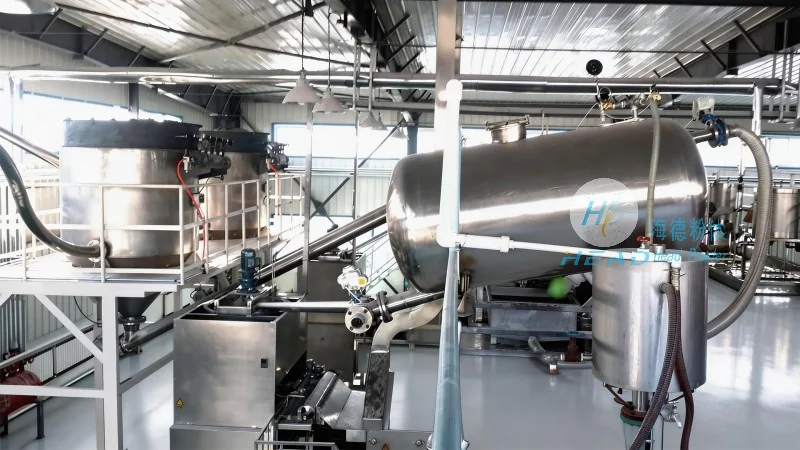
Application Scenarios and Operational Advantages
Coal ash powder pneumatic conveying equipment is widely used in various industrial settings, particularly in thermal power plants and industrial facilities that generate large volumes of coal ash. Common application scenarios include transporting coal ash from the boiler to an ash storage silo, moving ash from a hopper to a treatment plant for reuse or disposal, and transferring ash from one processing unit to another within a facility. The operational advantages of pneumatic conveying for coal ash are significant. Unlike traditional conveyors, pneumatic systems eliminate dust pollution, reducing the risk of respiratory issues for workers and minimizing environmental contamination. They also offer continuous, uninterrupted operation, which improves plant efficiency and reduces downtime. Additionally, pneumatic systems can handle varying ash compositions and flow rates, making them adaptable to different plant conditions. The automated nature of the equipment reduces the need for manual intervention, enhancing safety and operational consistency.
About Shandong HeadPowder Engineering Co., Ltd.
Shandong HeadPowder Engineering Co., Ltd. is a leading manufacturer and supplier of specialized pneumatic conveying equipment, with a focus on solutions for coal ash and other fine powders. HeadPowder, as the company is commonly known, is headquartered in Shandong, China, and has established itself as a trusted partner for power plants and industrial facilities worldwide. The company specializes in designing and manufacturing custom pneumatic conveying systems tailored to the unique needs of each client. With years of experience in the industry, HeadPowder’s engineers apply advanced design principles and materials science to ensure that their equipment is durable, efficient, and compliant with international environmental standards. The company’s commitment to quality and innovation has earned it a reputation for delivering reliable solutions that enhance operational efficiency and reduce environmental impact. HeadPowder’s products are designed to meet the specific requirements of coal ash handling, including high-temperature resistance, corrosion resistance, and low maintenance. By partnering with HeadPowder, clients gain access to expert engineering support and a comprehensive range of equipment that addresses the challenges of coal ash transportation and disposal.