

What is an Iron Alumina Powder Pneumatic Conveying System? And What Are Its Design Principles?
Iron alumina powder, a critical material in numerous industrial applications, demands efficient and reliable transportation solutions to maintain smooth production workflows. The iron alumina powder pneumatic conveying system is a specialized technology designed to handle the unique characteristics of this powder, such as its fine particle size, potential for dust generation, and varying flow properties. By utilizing air as the conveying medium, this system effectively transports the powder from storage or processing points to its final destination, offering advantages like reduced material loss, enhanced safety, and improved process control compared to traditional mechanical methods.
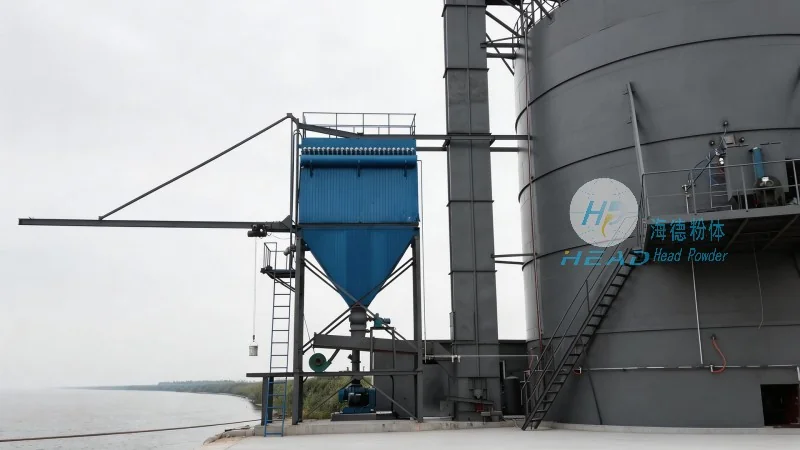
Key Components of the Pneumatic Conveying System
The iron alumina powder pneumatic conveying system comprises several essential components that collaborate to achieve efficient material transport. The primary components include the hopper or feeder, which stores the iron alumina powder and regulates the flow rate to prevent overloading or bridging; the air compressor or blower, which generates the necessary air pressure to move the powder particles; the conveying line, typically constructed from flexible or rigid tubing, which carries the powder-air mixture; and the receiver or destination vessel, where the powder is deposited after transport. Additional accessories may include filters to capture dust, cyclones for separation, and pressure regulators to maintain consistent air pressure, ensuring optimal performance and preventing system contamination.
Design Principles for Efficient Operation
The design of an iron alumina powder pneumatic conveying system follows specific principles to ensure high efficiency and reliability. A key principle is maintaining a consistent air flow rate and pressure to avoid particle segregation or blockages in the conveying line. The system must be tailored to the specific properties of iron alumina powder, including its density, moisture content, and flowability. For instance, the hopper design often incorporates a conical or wedge-shaped bottom to minimize material bridging and ensure uniform feeding. The air velocity within the line is carefully calculated to prevent particle deposition while minimizing energy consumption. Furthermore, the system may incorporate features like pulse or rotary air valves to control the flow and prevent clogging, enhancing overall system reliability.
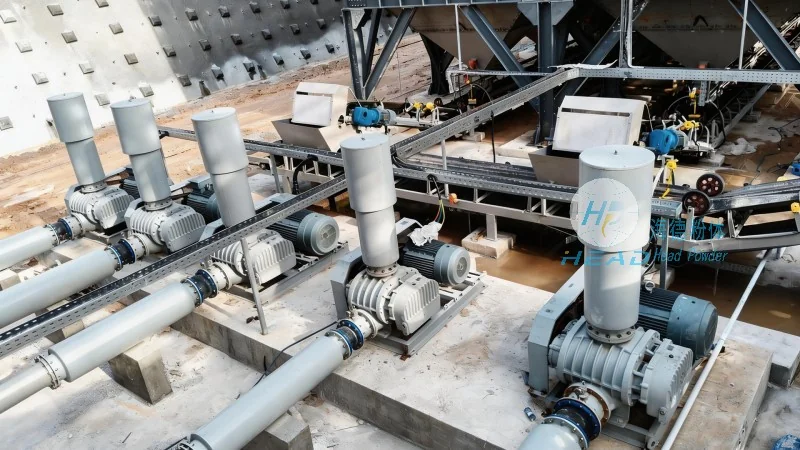
Advantages of Using a Pneumatic Conveying System for Iron Alumina Powder
Implementing a pneumatic conveying system for iron alumina powder offers significant benefits over traditional transport methods such as bucket elevators or belt conveyors. Firstly, it reduces the risk of dust exposure, which is vital for maintaining a safe working environment and complying with occupational health regulations. Secondly, the system minimizes material loss during transport, as the powder is contained within the air stream, preventing spillage or loss at transfer points. Thirdly, it allows for precise control over the powder flow rate and destination, enabling seamless integration with downstream processes like mixing, blending, or packaging. Additionally, the system is compact and can be installed in confined spaces, making it suitable for facilities with limited floor space. Finally, the energy efficiency of pneumatic conveying systems is higher compared to mechanical systems, leading to lower operational costs over time and reduced environmental impact.
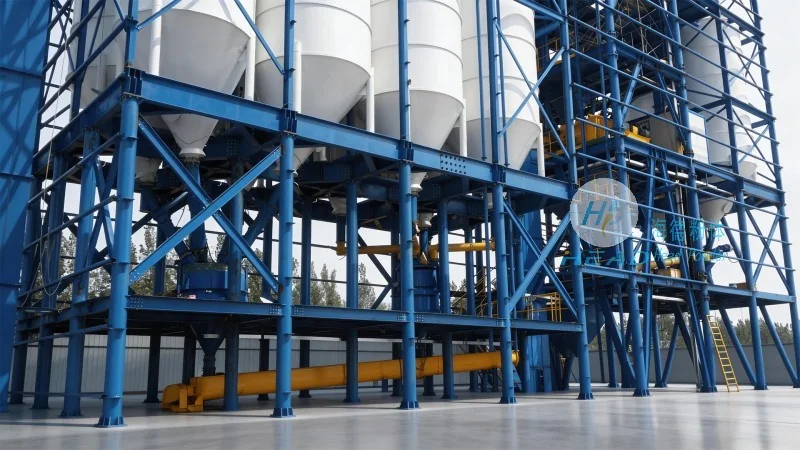
Applications in Industrial Settings
The iron alumina powder pneumatic conveying system is widely utilized in various industrial sectors where iron alumina powder is a key component. In the ceramics industry, for example, iron alumina is used as a raw material for producing refractory bricks and ceramic products. The conveying system efficiently transports the powder from storage silos to production lines, ensuring consistent quality and reducing downtime. In the chemical industry, iron alumina serves as a catalyst or adsorbent, and the pneumatic system helps in transferring the powder to reactors or processing equipment without contamination. The system is also employed in the manufacturing of pigments and coatings, where the fine powder needs to be transported to mixing and grinding machinery. Additionally, in the aerospace and automotive industries, iron alumina is used as an abrasive or wear-resistant material, and the conveying system facilitates its transport to finishing and coating processes.
Company Overview: Shandong HeadPowder Engineering Co., Ltd.
Shandong HeadPowder Engineering Co., Ltd., commonly referred to as HeadPowder, is a leading provider of specialized engineering solutions for powder handling and material transport systems. With a strong focus on innovation and customer-centric approaches, the company has established itself as a trusted partner in the industry. HeadPowder specializes in designing and manufacturing pneumatic conveying systems tailored to the unique needs of various industries, including the handling of iron alumina powder. The company’s team of experienced engineers and technicians collaborates closely with clients to understand their specific requirements and develop customized solutions that meet operational and safety standards. HeadPowder’s commitment to quality and reliability has earned it a reputation for delivering high-performance systems that enhance productivity and reduce operational costs for its clients. The company’s facilities are located in Shandong, China, where it leverages advanced technology and rigorous quality control processes to ensure the excellence of its products.