Wheat material pneumatic conveying is a critical process in the grain handling industry, designed to transport wheat and other similar bulk materials efficiently and safely. This method utilizes air as the conveying medium, moving particles through a pipeline system under pressure or vacuum. Understanding the fundamentals of this technology, along with its design principles, is essential for optimizing grain processing operations and ensuring operational efficiency.
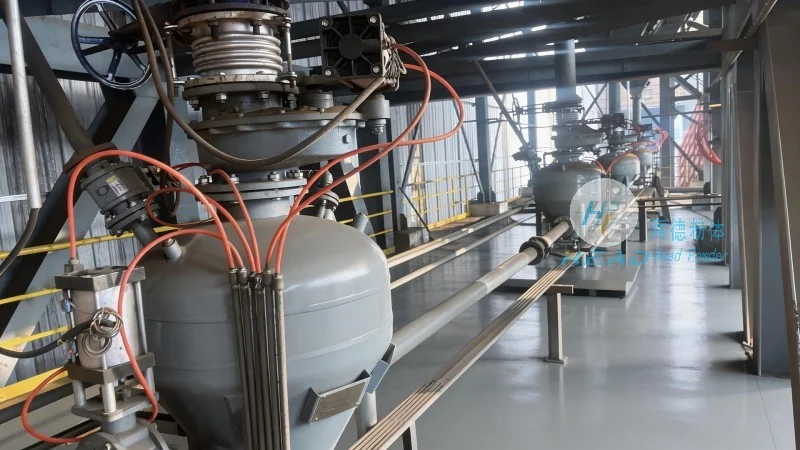
What is Wheat Material Pneumatic Conveying?
Pneumatic conveying for wheat involves the use of air to transport wheat kernels or other grain products from one location to another. Unlike traditional mechanical conveyors, which rely on belts, buckets, or screws, pneumatic systems use compressed air to create a flow that carries the material through a network of pipes. This method is particularly advantageous for handling wheat due to its light weight, dust potential, and the need for gentle handling to preserve grain quality. The system typically consists of a source of air (such as a blower or fan), a hopper to hold the wheat, and a pipeline network that directs the material to its destination, such as a storage silo, processing unit, or packaging area.
The Design Principles of Wheat Material Pneumatic Conveying Systems
The design of a wheat material pneumatic conveying system is based on several key principles to ensure optimal performance, efficiency, and safety. These principles include maintaining proper air velocity to prevent material settling or blockages, controlling pressure differentials to achieve the desired conveying rate, and ensuring the system can handle the specific characteristics of wheat, such as its particle size, moisture content, and flowability. The design process involves calculating the required air volume and pressure, selecting appropriate equipment like blowers, filters, and cyclones, and configuring the pipeline layout to minimize energy consumption and maximize material transport efficiency.
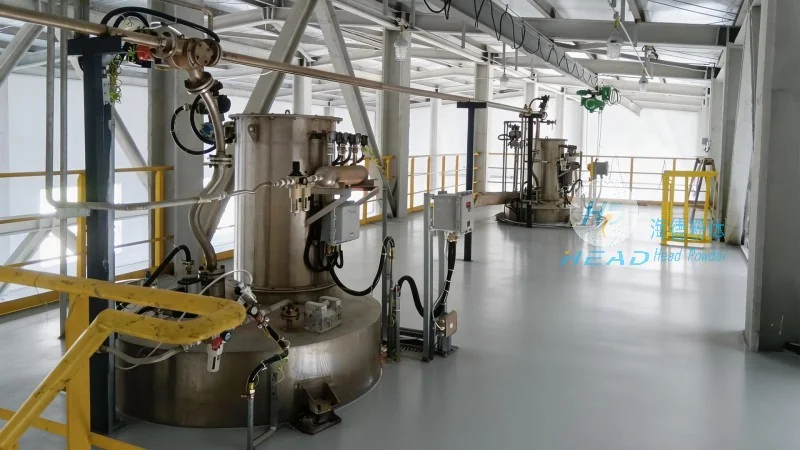
Key Components of a Wheat Pneumatic Conveying System
Effective wheat material pneumatic conveying systems rely on several critical components that work in tandem to achieve reliable operation. These components include: 1. **Air Supply Unit**: Typically a positive displacement blower or fan that generates the necessary pressure and volume of air to move the wheat. The choice of blower depends on the system's capacity and the specific conveying requirements. 2. **Hopper and Feeder**: The hopper holds the wheat and feeds it into the pipeline at a controlled rate. A proper feeder, such as a rotary valve or screw feeder, ensures consistent material flow and prevents blockages. 3. **Conveying Pipeline**: The pipeline network, usually made of stainless steel or other corrosion-resistant materials, is designed to withstand the pressure and temperature of the conveying process. The diameter and length of the pipeline are critical factors that affect the system's performance. 4. **Separation Equipment**: Cyclones or filters are used to separate the wheat from the air stream, allowing the wheat to be collected at the destination and the air to be cleaned and recirculated. 5. **Control System**: A control system monitors and regulates the operation of the blower, feeder, and other components, ensuring the system runs efficiently and safely.
Advantages of Wheat Material Pneumatic Conveying
Wheat material pneumatic conveying offers several advantages over traditional mechanical conveying methods. These benefits include: 1. **Gentle Handling**: The air flow in a pneumatic system minimizes the impact and abrasion on wheat kernels, preserving their quality and reducing breakage. 2. **Space Efficiency**: Pneumatic systems can be installed in tight spaces, as they do not require large floor areas or extensive mechanical components. 3. **Versatility**: The system can handle a wide range of wheat types and other bulk materials, making it adaptable to different processing needs. 4. **Reduced Labor Costs**: Automated systems reduce the need for manual labor in material handling, leading to lower operational costs. 5. **Clean and Hygienic Operation**: The enclosed pipeline system prevents contamination from external sources and maintains a clean environment, which is crucial for food-grade products like wheat.
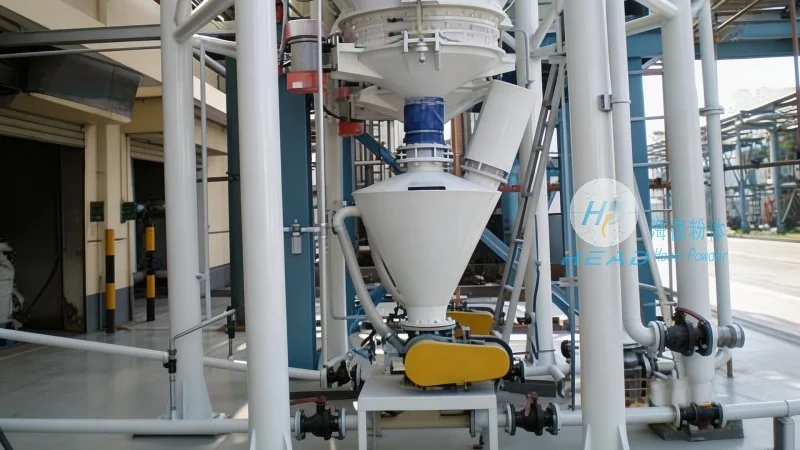
Challenges and Considerations in Wheat Pneumatic Conveying
While pneumatic conveying offers many benefits, it also presents challenges that must be addressed during system design and operation. Some common challenges include: 1. **Clogging and Blockages**: Wheat particles can settle in the pipeline, leading to blockages that require regular maintenance or cleaning. 2. **Dust and Air Quality**: The process generates dust, which can affect air quality and require filtration systems to comply with environmental regulations. 3. **Energy Consumption**: Pneumatic systems can be energy-intensive, especially for long-distance or high-capacity conveying. 4. **Material Wear and Corrosion**: The pipeline and components are subject to wear and corrosion from the wheat and air, necessitating regular inspection and replacement. 5. **System Maintenance**: Proper maintenance is essential to ensure the system operates efficiently and reliably, including regular cleaning, filter replacement, and component checks.
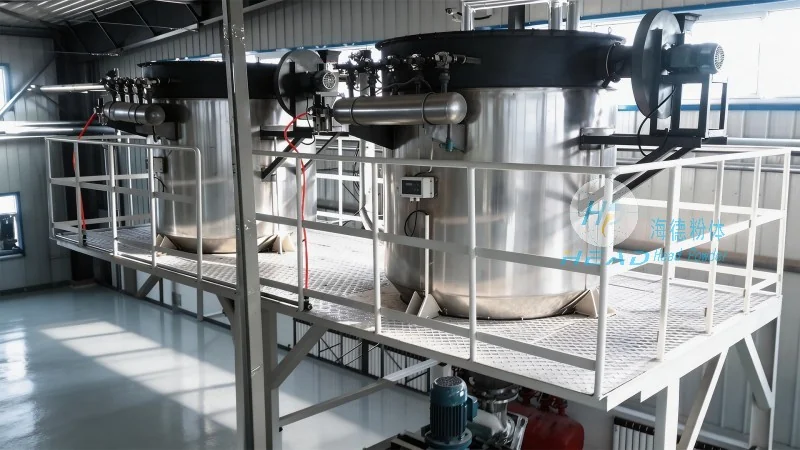
Applications of Wheat Material Pneumatic Conveying
Wheat material pneumatic conveying is widely used in various stages of grain processing and handling. Common applications include: 1. **Transportation from Harvest to Storage**: Moving freshly harvested wheat from the field to storage silos or processing facilities. 2. **Processing and Milling**: Conveying wheat to milling machines, where it is ground into flour or other products. 3. **Packaging and Distribution**: Transporting wheat to packaging lines for bagging or bulk shipping. 4. **Quality Control and Testing**: Moving samples of wheat for analysis and quality assessment. 5. **Industrial and Commercial Use**: Supplying wheat to bakeries, breweries, and other food processing industries.
HeadPowder Engineering: Experts in Wheat Pneumatic Conveying Solutions
Shandong HeadPowder Engineering Co., Ltd., a leading provider of grain handling solutions, specializes in designing and manufacturing high-quality wheat material pneumatic conveying systems. With years of experience in the industry, HeadPowder has developed advanced technologies and solutions tailored to the specific needs of wheat processing. The company's expertise lies in understanding the unique characteristics of wheat and designing systems that optimize performance, efficiency, and safety. HeadPowder's team of engineers and technicians work closely with clients to assess their requirements, provide customized solutions, and ensure the successful implementation of pneumatic conveying systems. The company's facilities are located in Shandong, China, where it leverages local resources and expertise to deliver reliable and durable equipment for global markets.




