HeadPowder, a leading provider of material handling solutions, specializes in designing and manufacturing pneumatic conveying systems for critical industrial applications, including the processing of rare earth materials. Rare earth materials are vital components in modern technology, and efficient material handling is essential for their processing. Pneumatic conveying offers a sophisticated solution for transporting these valuable resources, providing advantages such as low contamination, minimal dust generation, and the ability to handle sensitive materials. This article explores the fundamental concepts of rare earth material pneumatic conveying and the key design principles that ensure optimal performance, with a focus on the expertise of Shandong HeadPowder Engineering Co., Ltd., a company based in China.
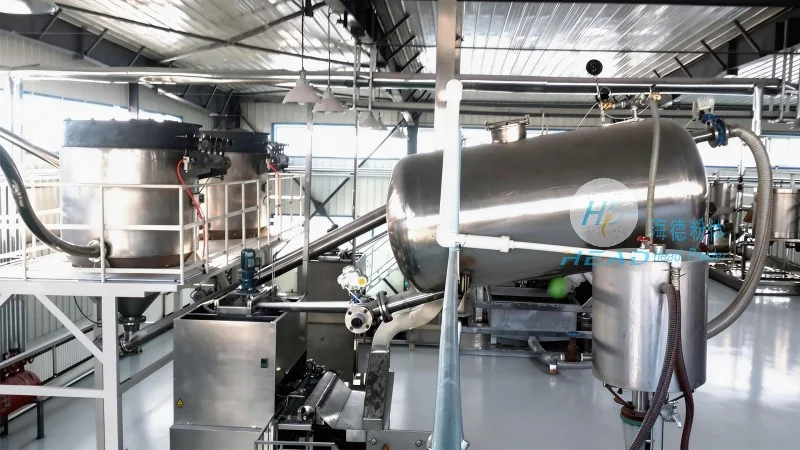
Understanding Pneumatic Conveying Technology
Pneumatic conveying systems utilize air or other gases to transport bulk materials through a pipeline. In the context of rare earth materials, these systems are engineered to handle fine powders and irregularly shaped particles, which can be challenging to transport using traditional methods like belt conveyors or bucket elevators. The core components of a pneumatic conveying system include a material feed hopper, a conveying line (often equipped with pressure or vacuum pumps), and a discharge unit. The system operates by creating a pressure differential that propels the material through the pipeline, either by blowing air (positive pressure) or sucking air (negative pressure).
Design Principles for Rare Earth Material Conveying
The design of a pneumatic conveying system for rare earth materials must consider several critical factors to ensure efficiency, safety, and material integrity. First, the material's physical properties, such as particle size distribution, density, and flowability, are paramount. These characteristics influence the selection of the conveying method (e.g., dilute phase vs. dense phase) and the required air velocity. For rare earth powders, which are often fine and cohesive, a dilute phase system may be preferred to prevent clogging and maintain consistent flow. The system design also incorporates features to minimize particle degradation, as rare earth materials are sensitive to mechanical stress and moisture.
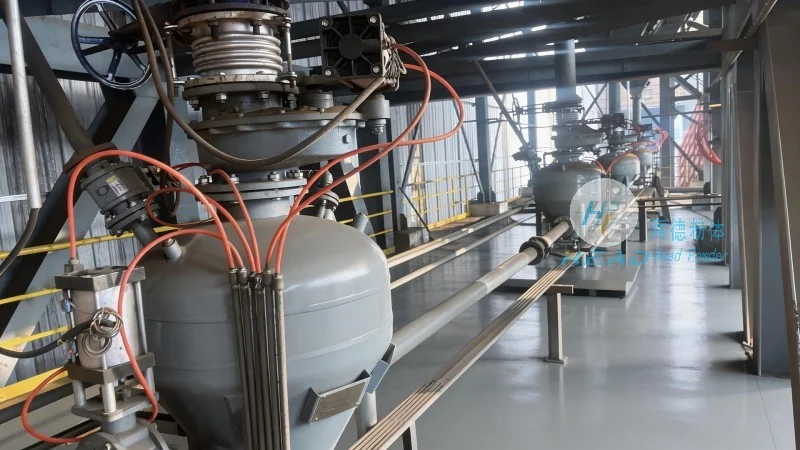
Key Components and Their Roles
Several key components are integral to the functionality of a rare earth material pneumatic conveying system. The material feed hopper is designed to store and meter the material into the conveying line, ensuring a consistent flow rate. The conveying line itself is typically made of corrosion-resistant materials, such as stainless steel or special alloys, to withstand the chemical properties of rare earth compounds. Pressure or vacuum pumps generate the necessary airflow, with the choice of pump type (e.g., rotary lobe, roots, or centrifugal) depending on the system's pressure requirements and material characteristics. The discharge unit, often a cyclone separator or a rotary valve, separates the material from the air stream and directs it to the final destination, while the air is either filtered and recirculated or vented to the atmosphere.
Advantages of Pneumatic Conveying for Rare Earth Materials
Compared to traditional material handling methods, pneumatic conveying offers several advantages for rare earth material processing. One of the most significant benefits is the ability to transport materials in a closed system, which reduces dust exposure and environmental contamination. This is particularly important for rare earth materials, which can be hazardous if inhaled or come into contact with skin. Additionally, pneumatic systems allow for precise control over material flow rates and can be integrated with other processing equipment, such as classifiers or mixers, to create a seamless production line. The low maintenance requirements of pneumatic conveying systems also contribute to cost savings over time, as there are fewer moving parts and less wear on components compared to mechanical conveyors.
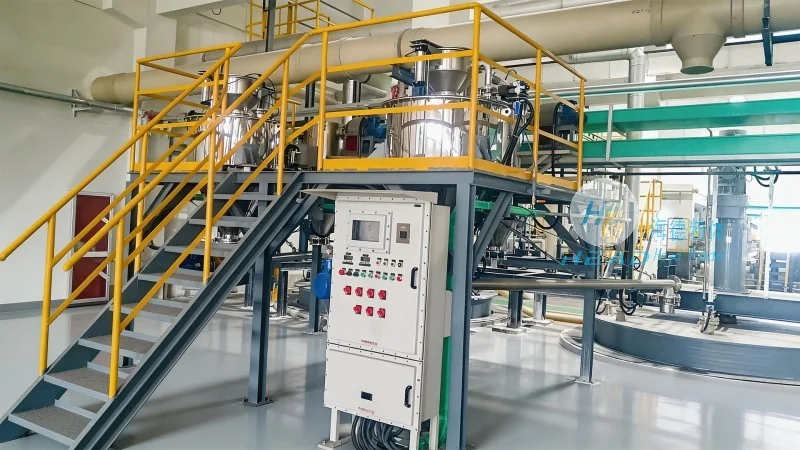
Applications in Rare Earth Processing
Rare earth material pneumatic conveying systems are widely used in various stages of the rare earth processing industry. From the initial crushing and grinding of raw ores to the final packaging of refined products, these systems facilitate the efficient movement of materials. For example, in the production of rare earth magnets, pneumatic conveying is used to transport fine rare earth powders to the sintering or pressing machines, ensuring uniform material distribution and consistent product quality. In the manufacturing of rare earth catalysts, the system helps deliver the powders to reactors with minimal contamination, maintaining the catalyst's effectiveness. The versatility of pneumatic conveying also makes it suitable for handling different forms of rare earth materials, including powders, pellets, and even liquid slurry in some cases.
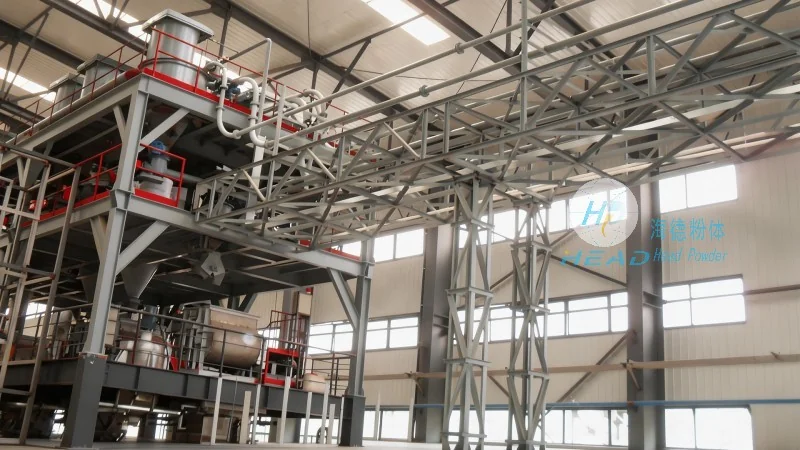
Considerations for System Design and Installation
When designing a pneumatic conveying system for rare earth materials, several factors must be carefully evaluated to ensure optimal performance and longevity. The system's layout and pipe configuration are critical, as the length and diameter of the conveying line affect the required air velocity and pressure. Proper pipe sizing and the use of bends and elbows with minimal pressure loss are essential to prevent material buildup and ensure smooth flow. The selection of air filtration systems is also important, as rare earth powders can be fine and difficult to capture, potentially leading to air pollution and health hazards. Additionally, the system must be designed to handle the specific properties of the rare earth material, such as its moisture content and reactivity, to prevent degradation or corrosion of components.
Conclusion
Pneumatic conveying is a highly effective and reliable method for transporting rare earth materials, offering numerous advantages over traditional material handling techniques. By understanding the design principles and key components of these systems, manufacturers can optimize their operations, improve product quality, and ensure compliance with environmental and safety regulations. As the demand for rare earth materials continues to grow, the importance of efficient material handling systems will only increase, making pneumatic conveying a critical technology in the rare earth processing industry. Shandong HeadPowder Engineering Co., Ltd. remains committed to providing innovative solutions that meet the evolving needs of the rare earth material handling market, with a strong presence in China's industrial landscape.




