

What is a Rice Bran Material Pneumatic Conveying Equipment? And What Are Its Design Principles?
For industrial applications involving rice bran, the efficient and reliable transport of this material is crucial. A specialized piece of equipment, known as a rice bran material pneumatic conveying system, addresses this need by utilizing air to move the material from one location to another. This article explores what this equipment is and the underlying design principles that make it effective.
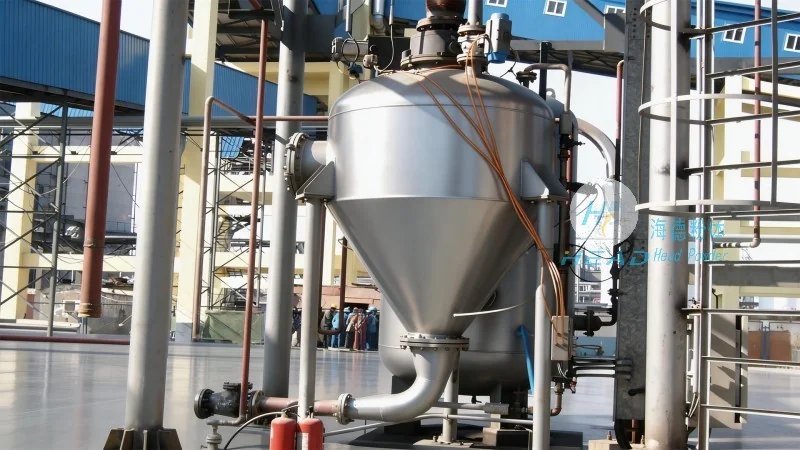
Understanding Rice Bran Material Pneumatic Conveying Equipment
Rice bran, a byproduct of rice milling, is rich in nutrients and widely used in food, feed, and cosmetic industries. However, due to its fine texture and potential for dust generation, transporting it using traditional methods like belts or buckets can be challenging. Pneumatic conveying equipment offers a solution by creating a sealed system where air is used to transport the material through pipes. This method not only ensures a clean and dust-free transfer but also minimizes material loss and contamination.
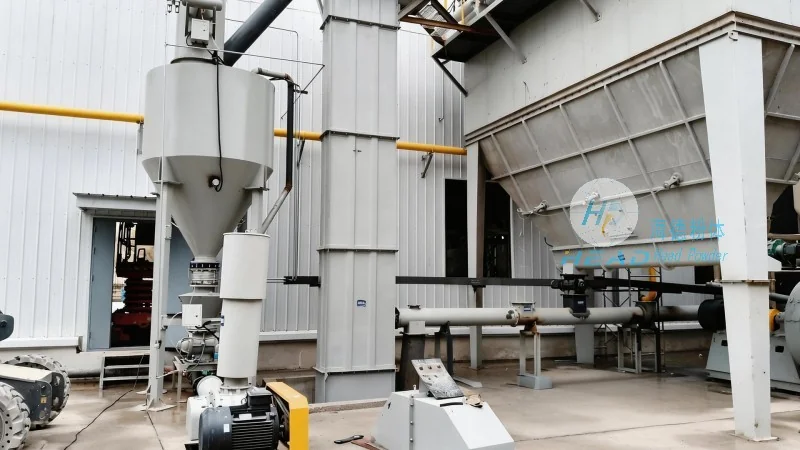
Key Components of the Pneumatic Conveying System
The rice bran material pneumatic conveying equipment typically consists of several key components that work together to achieve efficient material transport. These include a material feeder, an air compressor or blower, conveying pipes, and a receiver or discharge unit. The material feeder is responsible for feeding the rice bran into the system, while the air compressor generates the necessary air pressure to move the material through the pipes. The conveying pipes are designed to handle the material and air mixture, and the receiver collects the material at the destination point.
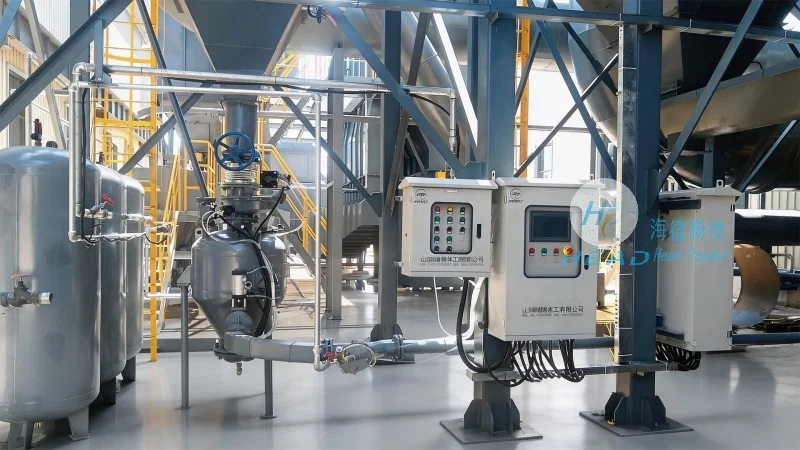
Design Principles for Efficient Operation
The design of a rice bran material pneumatic conveying system is based on several key principles to ensure optimal performance. One of the primary principles is maintaining a consistent air flow rate and pressure to prevent material clogging or blockages in the pipes. The system is also designed to handle the specific characteristics of rice bran, such as its fine particle size and potential for static electricity, which can affect the conveying process. Additionally, the equipment is built with materials that are resistant to corrosion and wear, ensuring long-term durability and reliability.
Advantages of Using Pneumatic Conveying for Rice Bran
Implementing a rice bran material pneumatic conveying system offers several advantages over traditional transport methods. First, it provides a hygienic and dust-free environment, which is essential for food and cosmetic applications where product purity is critical. Second, the system reduces material handling costs by minimizing labor and equipment wear. Third, it allows for precise control over the material flow rate, ensuring consistent product quality. Finally, the sealed system helps prevent cross-contamination and maintains the nutritional integrity of the rice bran.
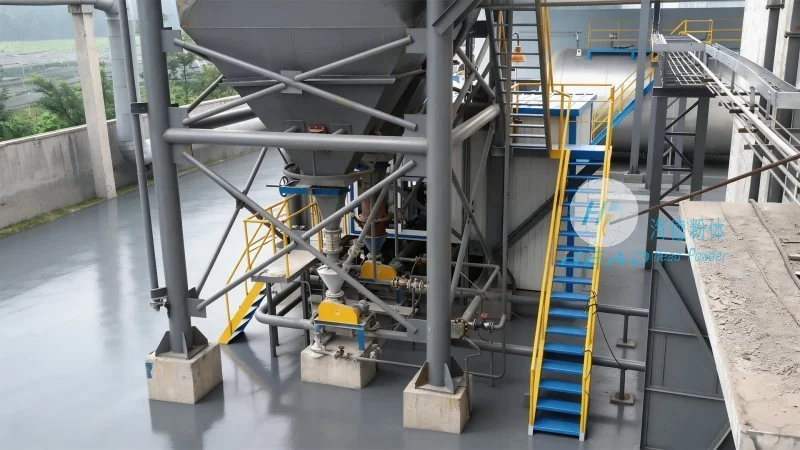
Conclusion
In summary, rice bran material pneumatic conveying equipment is a specialized system designed to efficiently transport rice bran using air. Its design is based on principles that ensure consistent performance, hygiene, and durability. For industries relying on rice bran, this equipment is a critical component for maintaining product quality and operational efficiency. As a leading manufacturer in this field, Shandong HeadPowder Engineering Co., Ltd. specializes in providing customized solutions tailored to the specific needs of rice bran processing facilities.