

What is a Low-Pressure Material Pneumatic Conveying System? And What Are Its Design Principles?
Low-pressure material pneumatic conveying systems are a critical component in modern industrial operations, providing efficient and adaptable solutions for transporting bulk materials over short to medium distances. These systems leverage compressed air or other gases to move powders, granules, and other particulate materials from one location to another, eliminating the need for mechanical parts like belts or screws. The design principles underpinning these systems are essential for ensuring optimal performance, reliability, and safety across diverse industrial applications.
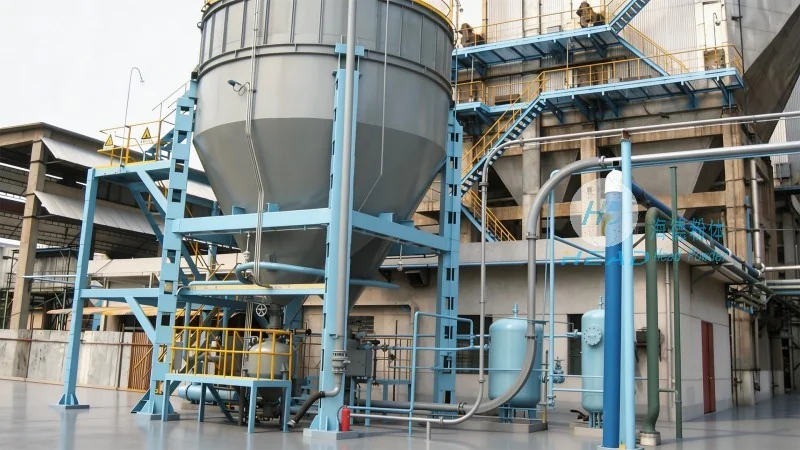
Introduction to Low-Pressure Pneumatic Conveying Systems
A low-pressure pneumatic conveying system operates by establishing a pressure differential between the inlet and outlet of the system. Typically, these systems run at pressures ranging from 0.5 to 2 bar above atmospheric levels, which is considerably lower than high-pressure systems. This reduced pressure minimizes the risk of material degradation and equipment damage, making them suitable for a wide array of materials, including sensitive powders and granules. The system comprises several key elements: a feeder, a conveying line, a receiver, and a filtration system. The feeder introduces the material into the system, while the conveying line transports it to the receiver. The receiver collects the material, and the filtration system removes dust or particles from the air before it is released back into the environment.
HeadPowder: Expert in Low-Pressure Pneumatic Conveying Solutions
Shandong HeadPowder Engineering Co., Ltd. is a leading manufacturer and supplier of low-pressure material pneumatic conveying systems. With decades of industry experience, HeadPowder has built a reputation for delivering high-quality, reliable, and efficient solutions customized to each client's unique needs. The company's team of engineers and technicians is dedicated to understanding the specific challenges faced by customers and designing systems that meet exact requirements. HeadPowder's commitment to quality and innovation has made them a trusted partner for businesses across various sectors, including food, pharmaceuticals, chemicals, and manufacturing.
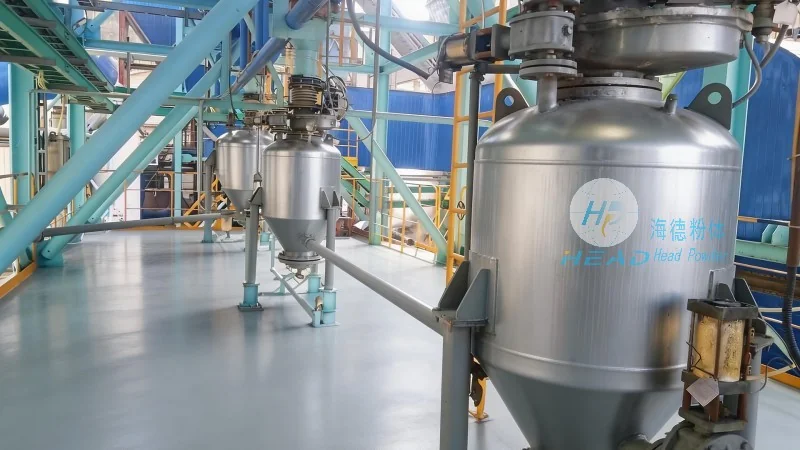
Design Principles of Low-Pressure Pneumatic Conveying Systems
The design of a low-pressure pneumatic conveying system involves several core principles to ensure optimal performance. The first principle is the selection of the appropriate conveying velocity, which is determined by the material's properties such as particle size, density, and flowability. The conveying velocity must be high enough to prevent material settling in the line but low enough to avoid excessive pressure drop and energy consumption. The second principle is the determination of the correct air-to-material ratio, which is the ratio of air volume to material volume being conveyed. This ratio is vital for maintaining the material in suspension and preventing blockages. The third principle is the design of system components, including the feeder, conveying line, and receiver. The feeder must handle the material's flow characteristics without causing blockages or uneven flow. The conveying line is designed to minimize pressure drop and keep the material suspended. The receiver efficiently collects the material and prevents dust from escaping into the environment.
Key Components of a Low-Pressure Pneumatic Conveying System
The low-pressure pneumatic conveying system consists of several critical components that work in unison for efficient material transport. The first component is the feeder, responsible for introducing material into the system. Options include rotary valves, star feeders, or screw feeders, depending on the material's properties and system requirements. The second component is the conveying line, typically made of stainless steel or other corrosion-resistant materials. The line is engineered to maintain material suspension and minimize pressure drop. The third component is the receiver, which collects material from the system. It is usually a hopper or tank equipped with a filter system to remove dust or particles from the air. The fourth component is the filter system, used to remove dust or particles from the air before it is released back into the environment. Filter types, such as bag or cartridge filters, depend on the material's properties and system requirements.
Applications of Low-Pressure Pneumatic Conveying Systems
Low-pressure pneumatic conveying systems are utilized across a wide range of industries, including food, pharmaceuticals, chemicals, and manufacturing. In the food industry, they are used to transport powders and granules like flour, sugar, and spices. In the pharmaceutical sector, these systems handle active ingredients and other materials requiring strict contamination control. In the chemical industry, they transport powders and granules such as chemicals and fertilizers. In manufacturing, they move raw materials and finished products between locations.
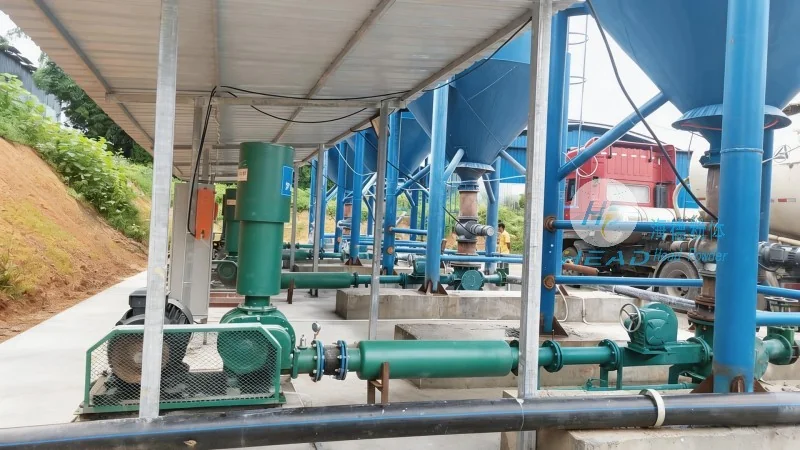
Advantages of Low-Pressure Pneumatic Conveying Systems
Low-pressure pneumatic conveying systems offer several advantages over traditional mechanical conveying methods. The first advantage is enhanced flexibility, allowing easy adaptation to changing production needs. The second is improved efficiency, as they use less energy and require less maintenance. The third is greater reliability, with fewer blockages and operational issues. The fourth is superior hygiene, as they do not come into direct contact with the material. The fifth is cost-effectiveness, needing less equipment and maintenance.
Conclusion
Low-pressure material pneumatic conveying systems are indispensable in modern industrial processes, offering efficient and flexible solutions for bulk material transport. The design principles are fundamental to ensuring optimal performance, reliability, and safety. Shandong HeadPowder Engineering Co., Ltd. stands as a leading manufacturer and supplier of low-pressure pneumatic conveying systems, providing high-quality, reliable, and efficient solutions tailored to each client's specific needs. With their expertise and commitment to quality, HeadPowder is the ideal partner for businesses seeking to enhance their material handling processes.