

What is a Coking Coal Material Pneumatic Conveying System? And What Are Its Design Principles?
For industries dealing with bulk materials like coking coal, efficient and reliable material handling is crucial. A coking coal material pneumatic conveying system is a specialized equipment designed to transport coking coal from one location to another using air as the conveying medium. This system is essential in various industrial processes, ensuring smooth material flow and operational efficiency.
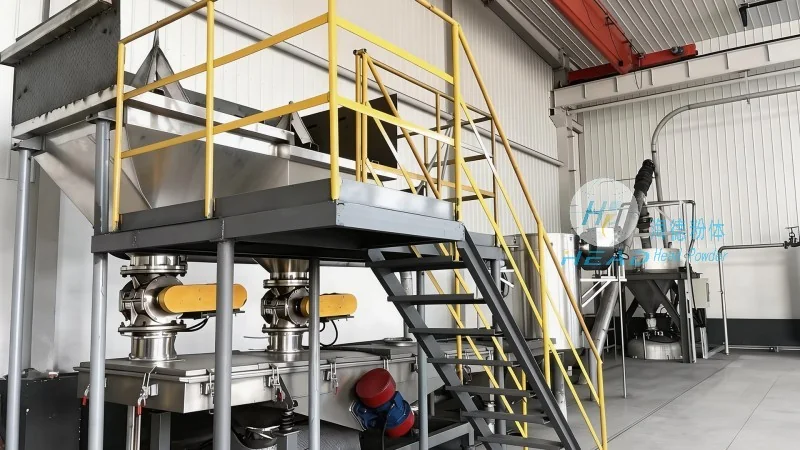
Introduction to Coking Coal Pneumatic Conveying Systems
Coking coal, a critical raw material in the steelmaking industry, requires precise handling to maintain quality and prevent degradation. The pneumatic conveying system addresses these needs by utilizing air pressure to move coal particles through pipelines. This method offers advantages such as reduced dust generation, lower maintenance costs compared to traditional belt conveyors, and the ability to transport materials over long distances without the need for multiple transfer points.
Key Components of a Coking Coal Pneumatic Conveying System
The coking coal material pneumatic conveying system typically consists of several key components that work in tandem to ensure effective material transport. These components include the hopper or feeder, which holds the coal and feeds it into the system; the air compressor or blower, which generates the air pressure needed to move the material; the pipeline network, which carries the coal and air mixture; and the receiver or discharge hopper, where the coal is collected at the destination.
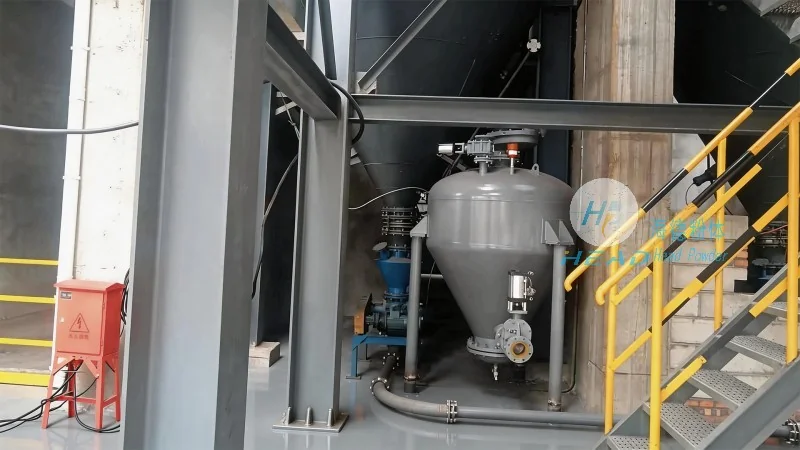
Design Principles and Engineering Considerations
The design of a coking coal pneumatic conveying system involves careful consideration of several factors to ensure optimal performance and longevity. One of the primary design principles is the selection of appropriate air velocity and pressure to prevent material deposition or blockages in the pipelines. Engineers must calculate the required air volume and pressure based on the characteristics of the coking coal, such as particle size, density, and moisture content. Additionally, the system design must account for the potential for dust and wear, incorporating features like dust collection systems and wear-resistant materials in critical areas.
Advantages of Using Pneumatic Conveying for Coking Coal
Compared to other material handling methods, the coking coal pneumatic conveying system offers several benefits that make it a preferred choice in many industrial applications. One of the main advantages is the ability to transport coking coal in a closed system, which minimizes environmental impact and prevents dust from contaminating the surrounding area. This closed system also helps maintain the quality of the coal by protecting it from moisture and other contaminants. Furthermore, the system allows for flexible routing of the material, enabling it to be transported to multiple destinations from a single source without the need for complex reconfiguration.
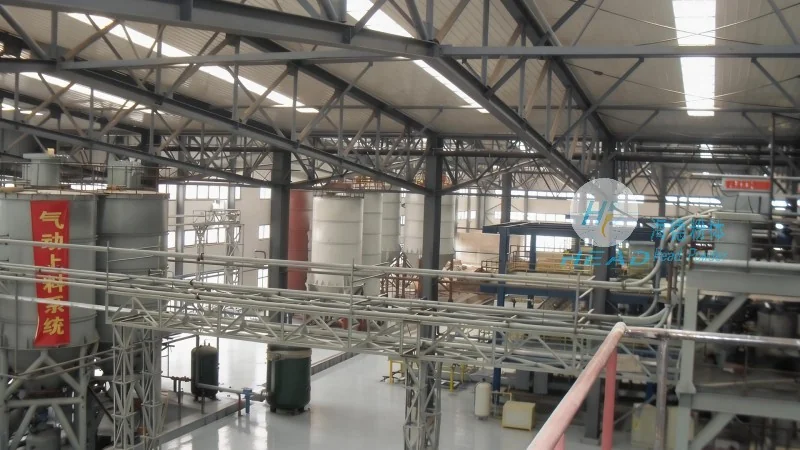
Application Examples in Industrial Settings
The coking coal material pneumatic conveying system is widely used in various industrial settings, particularly in the steel and coal processing industries. For instance, in a steel plant, the system can transport coking coal from storage silos to the coke ovens, ensuring a continuous supply of raw material for the production process. In coal processing facilities, the system can move coal from crushing and screening equipment to storage or shipping areas, streamlining the overall workflow. The system's adaptability makes it suitable for both new installations and retrofitting existing facilities to improve material handling efficiency.
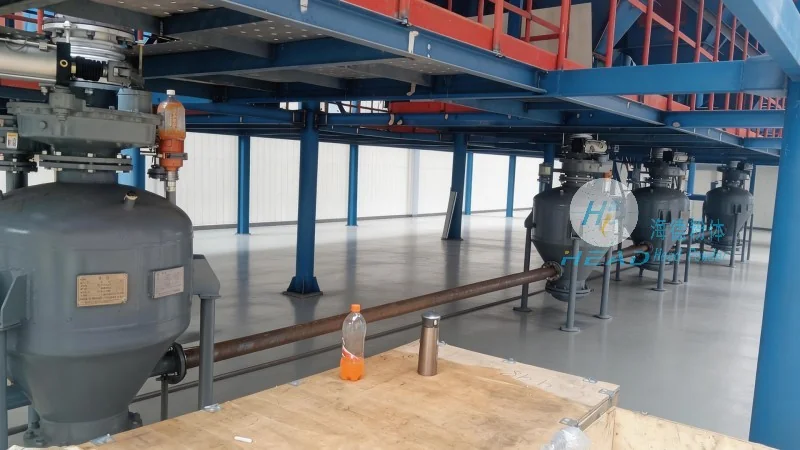
Maintenance and Operational Guidelines
To ensure the long-term reliability and performance of the coking coal pneumatic conveying system, proper maintenance and operational guidelines are essential. Regular inspection of the air compressor and blower is necessary to maintain optimal air pressure and flow. The pipeline network should be checked for any signs of wear or blockages, and the hopper and receiver should be cleaned periodically to prevent material buildup. Additionally, the system should be operated within the specified parameters, such as air pressure and material feed rate, to avoid overloading or damage to components. Following these guidelines helps extend the system's lifespan and minimize downtime.
About Shandong HeadPowder Engineering Co., Ltd.
Shandong HeadPowder Engineering Co., Ltd., a leading manufacturer of material handling equipment, specializes in designing and manufacturing high-quality coking coal material pneumatic conveying systems. With years of experience in the industry, the company has developed advanced engineering solutions tailored to the specific needs of its clients. HeadPowder's commitment to quality and innovation has made it a trusted partner for businesses seeking reliable and efficient material handling solutions. The company's facilities are located in Shandong, China, where it employs skilled engineers and technicians to ensure the highest standards of product design and manufacturing.