

What is a Clay Ash Material Pneumatic Conveying System? And What Are Its Design Principles?
Clay ash material pneumatic conveying systems are specialized industrial equipment designed to transport dry, powdery materials like clay ash efficiently and safely. As a key component in many processing industries, these systems play a crucial role in material handling, ensuring smooth and reliable operation from source to destination. Shandong HeadPowder Engineering Co., Ltd., a leading manufacturer in this field, specializes in designing and manufacturing high-quality pneumatic conveying systems tailored to the unique needs of clay ash applications.
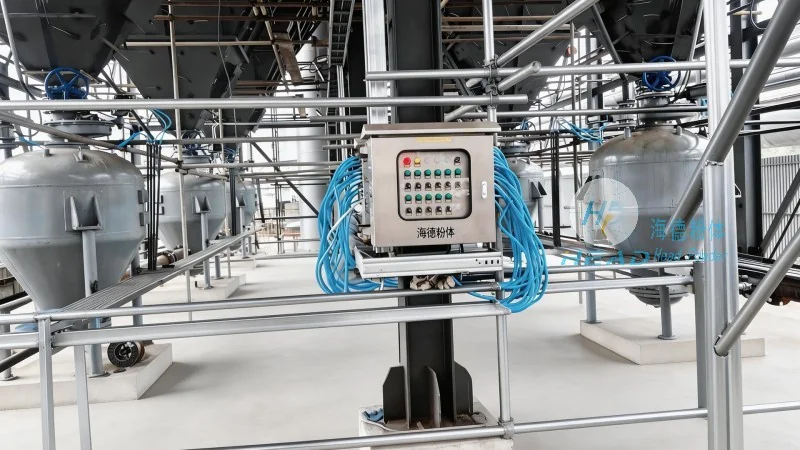
Introduction to Clay Ash Material Pneumatic Conveying Systems
A clay ash material pneumatic conveying system utilizes air or gas as the medium to transport dry, fine materials through a pipeline. This method is particularly effective for materials that are difficult to handle using traditional mechanical conveyors, such as those with high moisture content, abrasive properties, or the tendency to clog. The system typically consists of a material feed hopper, a conveyor pipeline, a blower or compressor to generate airflow, and a discharge outlet. The entire setup is engineered to maintain consistent material flow, minimize material degradation, and ensure safe operation under various industrial conditions.
Key Components of a Pneumatic Conveying System for Clay Ash
The design of a clay ash pneumatic conveying system involves several critical components, each playing a vital role in the overall functionality. The material feed hopper is responsible for storing and feeding the clay ash into the system, ensuring a steady supply of material. It is often equipped with a rotary valve or a screw feeder to control the flow rate and prevent material buildup. The conveyor pipeline, usually made of stainless steel or other corrosion-resistant materials, is designed to withstand the abrasive nature of clay ash and maintain airtight integrity to prevent air leakage. The blower or compressor provides the necessary pressure and airflow to move the material through the pipeline. This component is selected based on the material's characteristics, such as particle size, density, and moisture content, to ensure optimal performance. Finally, the discharge outlet is where the material is released from the system, often into a storage silo or processing unit. Proper design of the discharge outlet helps prevent material accumulation and ensures smooth material flow.
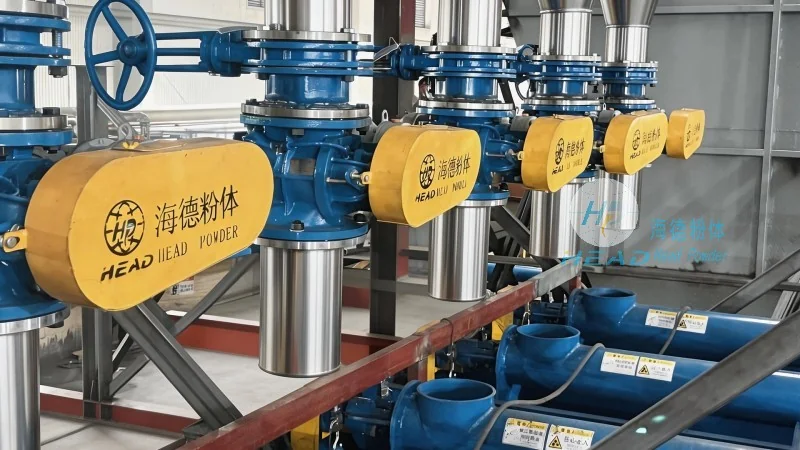
Design Principles for Efficient Clay Ash Pneumatic Conveying
The design principles of a clay ash pneumatic conveying system focus on maximizing efficiency, minimizing energy consumption, and ensuring long-term reliability. One of the primary principles is maintaining a consistent air-to-material ratio, which is crucial for achieving optimal conveying velocity and preventing material clogging. The system is designed to handle the specific properties of clay ash, such as its high moisture content and abrasive nature, by selecting appropriate materials for the components and ensuring proper maintenance. Another key principle is the use of appropriate pipeline diameter and length, as these factors directly impact the system's performance. The pipeline diameter is determined based on the material's flow rate and particle size, while the length is optimized to minimize energy consumption and maintain material integrity. Additionally, the system incorporates features like air filters and moisture separators to maintain air quality and prevent material contamination. These design elements collectively contribute to a reliable and efficient clay ash pneumatic conveying system.
Applications and Benefits of Clay Ash Pneumatic Conveying Systems
Clay ash material pneumatic conveying systems are widely used in various industries, including power generation, cement production, and chemical processing. In power plants, these systems are used to transport fly ash from the boiler to storage silos or disposal sites. In cement plants, they help convey raw materials like clay and limestone to the grinding mills. The benefits of using pneumatic conveying systems for clay ash include improved safety, as the material is contained within the pipeline, reducing the risk of dust exposure and environmental contamination. Additionally, these systems offer higher efficiency compared to traditional mechanical conveyors, as they can handle materials with higher moisture content and abrasive properties. The ability to transport materials over long distances without the need for multiple transfer points also enhances operational flexibility. Furthermore, the systems are designed to minimize material degradation, ensuring that the quality of the clay ash is maintained throughout the conveying process.
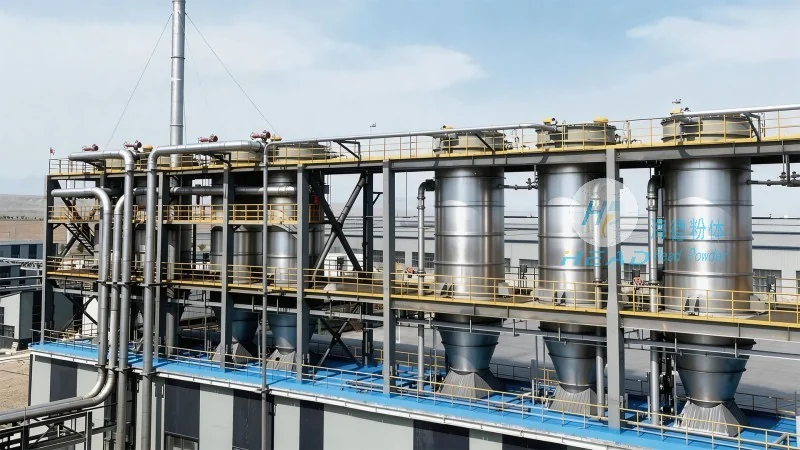
Maintenance and Operational Considerations for Clay Ash Pneumatic Conveying Systems
Proper maintenance and operational considerations are essential for ensuring the long-term performance and reliability of clay ash pneumatic conveying systems. Regular inspection and cleaning of the pipeline and components are necessary to prevent clogging and maintain air quality. The rotary valve and screw feeder should be checked for wear and tear, and replaced as needed to ensure consistent material flow. The blower or compressor should be monitored for performance and adjusted as necessary to maintain optimal airflow. Additionally, the system should be equipped with safety features, such as pressure relief valves and air filters, to prevent accidents and ensure safe operation. Proper training of operators is also crucial for maintaining the system's efficiency and preventing operational issues. By following these maintenance and operational guidelines, the clay ash pneumatic conveying system can operate efficiently and reliably for extended periods.
Conclusion: The Importance of Design and Implementation
In conclusion, clay ash material pneumatic conveying systems are critical equipment in many industrial processes, designed to efficiently transport dry, powdery materials while maintaining material integrity and operational safety. The design principles and components of these systems are tailored to the specific properties of clay ash, ensuring optimal performance and reliability. By understanding the key components and design principles, as well as the operational and maintenance considerations, industries can effectively utilize these systems to enhance their material handling processes. The use of pneumatic conveying systems for clay ash offers numerous benefits, including improved safety, higher efficiency, and reduced material degradation, making them a preferred choice in many applications.