

What is a Rubber Granule Material Pneumatic Conveying System? And What Are Its Design Principles?
Rubber granule material pneumatic conveying systems are specialized industrial equipment designed to transport rubber granules efficiently and safely. These systems are widely used in various industries, including rubber manufacturing, recycling, and processing, where the handling of rubber granules requires precise and reliable material transport solutions. The core function of such systems is to move rubber granules from one location to another within a facility, often over long distances or through complex layouts, without the need for traditional mechanical conveyors like belts or chains.
Understanding the Core Function of Rubber Granule Pneumatic Conveying Lines
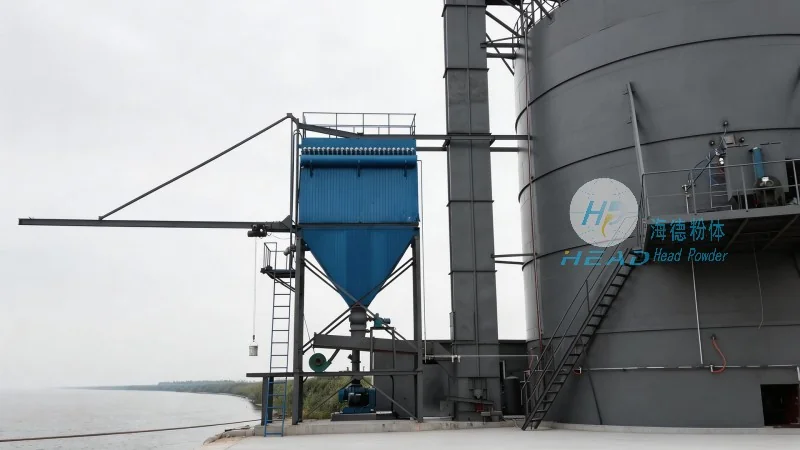
The primary purpose of a rubber granule material pneumatic conveying line is to facilitate the movement of rubber granules through a pressurized or vacuum system. This method of material transport relies on the principles of fluid dynamics, where air or gas is used to create a flow that carries the rubber granules through a pipeline network. The system typically includes a hopper for material storage, a conveyor line (either positive pressure or negative pressure), and a receiver for the discharged material. The design of these systems must account for the specific properties of rubber granules, such as their size, density, and moisture content, to ensure optimal performance and prevent issues like blockages or material degradation.
Key Components and Their Roles in the System
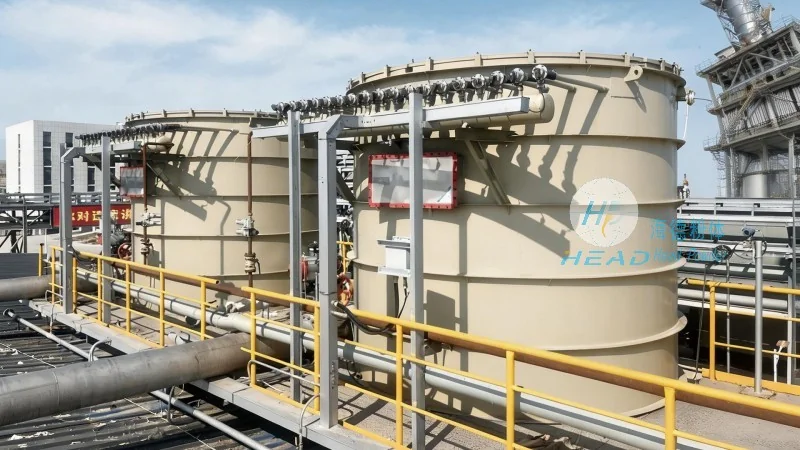
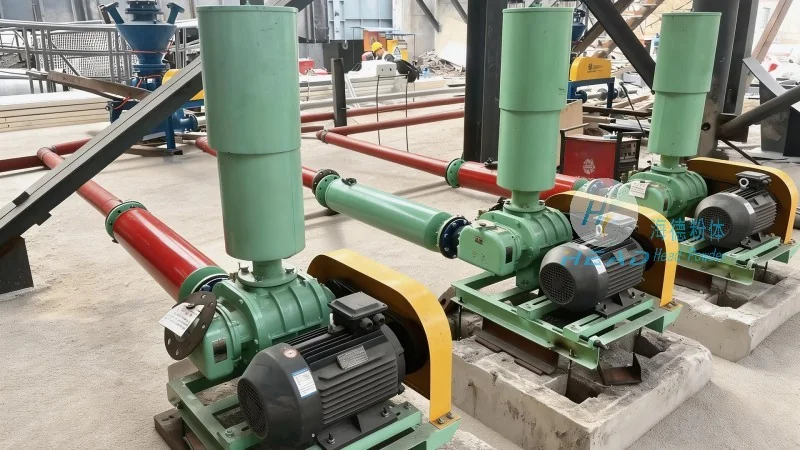
At the heart of a rubber granule pneumatic conveying system are several critical components that work in tandem to achieve efficient material transport. The first component is the material hopper, which serves as the storage and feeding unit for the rubber granules. This hopper is equipped with a feeder, often a rotary valve or a screw feeder, that controls the flow rate of the material into the conveying line. The feeder ensures a consistent and controlled discharge of rubber granules, preventing overloading or underloading of the system. Next, the conveying line itself, which can be either positive pressure or negative pressure, is the main pathway for the rubber granules. Positive pressure systems use a blower or compressor to force air through the line, while negative pressure systems use a vacuum pump to create a suction effect. The choice between these two depends on factors like the distance to be covered, the volume of material to be transported, and the specific characteristics of the rubber granules. The conveying line is typically made of materials like stainless steel or plastic, chosen for their resistance to corrosion and wear from the rubber granules. Additionally, the system includes a filter and separator to remove any dust or fine particles from the air, ensuring that the discharged material is clean and free from contaminants. The receiver, where the rubber granules are deposited, is another crucial component, often designed with a discharge valve to control the release of the material into the next processing stage.
Design Principles and Considerations for Optimal Performance
The design of a rubber granule material pneumatic conveying system follows several key principles to ensure reliable and efficient operation. One of the most important principles is the selection of the appropriate conveying method, which depends on the specific requirements of the application. For example, positive pressure systems are generally preferred for long-distance transport or when the material needs to be conveyed against gravity, while negative pressure systems are suitable for short distances or when the material is to be conveyed in a downward direction. Another critical design consideration is the air velocity within the conveying line. The air velocity must be high enough to carry the rubber granules but low enough to prevent excessive wear on the pipeline and to minimize energy consumption. Engineers typically use the "critical velocity" concept, which is the minimum air velocity required to keep the material suspended and moving through the line. The design also takes into account the size and shape of the rubber granules, as larger or irregularly shaped granules may require higher air velocities or different pipeline diameters to ensure smooth transport. Furthermore, the system's design must consider the pressure drop across the line, which is the reduction in air pressure as it moves through the conveying line. Proper design minimizes pressure drop to reduce energy costs and ensure consistent material flow. The system also incorporates safety features, such as pressure relief valves and dust collection systems, to protect the equipment and the environment from potential hazards. The overall design process involves careful calculations and simulations to optimize the system's performance, ensuring that it meets the specific needs of the rubber granule handling application.
Applications and Benefits of Rubber Granule Pneumatic Conveying Systems
Rubber granule material pneumatic conveying systems find wide applications in various industrial sectors. In the rubber manufacturing industry, these systems are used to transport raw rubber granules from storage to processing machines, such as mixers or extruders. This ensures a continuous and efficient supply of material, reducing downtime and improving production throughput. In the recycling industry, pneumatic conveying systems are essential for transporting recycled rubber granules from collection points to processing facilities, where they are further processed into new rubber products. The systems also play a crucial role in the processing of waste rubber, helping to manage and recycle materials in an environmentally friendly manner. The benefits of using pneumatic conveying systems for rubber granules are numerous. First, they offer a dust-free and clean transport method, which is particularly important in industries where hygiene and product quality are critical. Unlike mechanical conveyors, which can generate dust and cause contamination, pneumatic systems keep the rubber granules contained within the pipeline, reducing the risk of cross-contamination and improving product purity. Second, these systems are highly flexible and can be easily integrated into existing production lines. They can be installed in various configurations, including vertical, horizontal, or a combination of both, to suit the layout of the facility. This flexibility allows for the adaptation of the system to changing production needs or facility expansions. Third, pneumatic conveying systems are energy-efficient compared to traditional mechanical conveyors, especially for long-distance transport. The use of air as the conveying medium reduces the need for heavy machinery and moving parts, resulting in lower maintenance costs and energy consumption. Additionally, the systems are relatively compact and can be installed in confined spaces, making them suitable for facilities with limited floor space. The reliability of pneumatic conveying systems is another significant advantage. Once properly designed and maintained, these systems can operate continuously for extended periods without significant downtime. They are less prone to mechanical failures compared to belt or chain conveyors, which can be affected by wear and tear or material buildup. This reliability ensures consistent material flow and reduces the risk of production disruptions. Finally, the use of pneumatic conveying systems in rubber granule handling contributes to improved workplace safety. By eliminating the need for manual handling of heavy or bulky rubber granules, these systems reduce the risk of injuries and improve overall safety in the workplace. The enclosed nature of the system also minimizes the exposure of workers to dust and other airborne particles, promoting a healthier work environment.
Customization and Integration with Existing Systems
Shandong HeadPowder Engineering Co., Ltd., a leading manufacturer of pneumatic conveying systems, specializes in designing and manufacturing rubber granule material pneumatic conveying lines tailored to the specific needs of their clients. The company, commonly known as HeadPowder, offers customized solutions that integrate seamlessly with existing production lines and facilities. The design process begins with a thorough analysis of the client's requirements, including the type and quantity of rubber granules to be transported, the distance and layout of the facility, and the specific processing requirements. Based on this analysis, HeadPowder engineers develop a customized system that meets all the client's needs while ensuring optimal performance and efficiency. The company's expertise lies in the detailed design of the system components, from the material hopper and feeder to the conveying line and receiver. Each component is carefully selected and sized to ensure that the system operates within the optimal parameters for the rubber granules being handled. HeadPowder also provides comprehensive support services, including installation, commissioning, and maintenance, to ensure that the system operates at its best. The company's commitment to quality and customer satisfaction is evident in their use of high-quality materials and advanced manufacturing techniques. The rubber granule pneumatic conveying systems produced by HeadPowder are built to withstand the demanding conditions of industrial environments, with features like corrosion-resistant materials and durable components that ensure long-term reliability. The company's focus on customization and integration allows them to meet the unique needs of each client, whether it's a small-scale operation or a large industrial facility. By working closely with clients, HeadPowder ensures that the final system is not only efficient and effective but also cost-effective and easy to maintain. The company's reputation in the industry is built on their ability to deliver high-quality pneumatic conveying systems that meet the specific requirements of their clients, contributing to the success of their operations.