

Working Principle and Features of Sorghum Wine Lees Pneumatic Conveying Equipment
This article provides an in-depth exploration of the working principle and key features of the sorghum wine lees pneumatic conveying equipment, manufactured by Shandong HeadPowder Engineering Co., Ltd. Based in Shandong, China, this equipment is designed to efficiently handle the transportation of sorghum wine lees, a byproduct commonly found in the winemaking process. The following sections will detail the operational mechanics and distinctive attributes of this machinery, offering insights into its practical applications and technical advantages.
Working Principle of the Pneumatic Conveying System
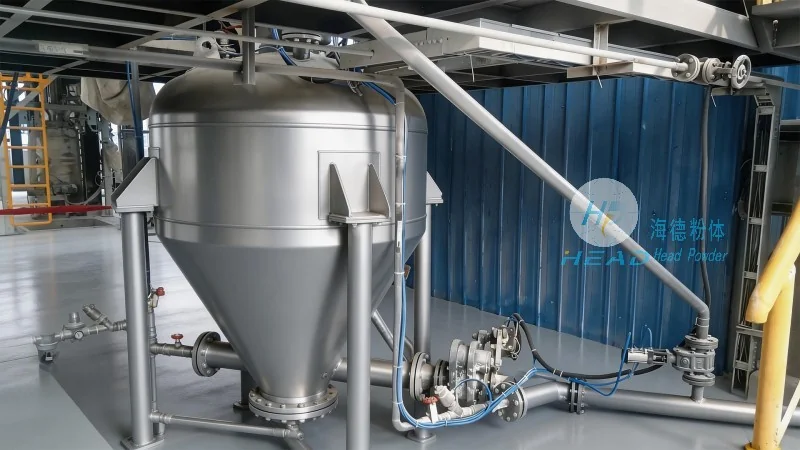
The sorghum wine lees pneumatic conveying machine operates on the principle of air-driven material transport. At its core, the system utilizes a combination of air pressure and vacuum to move the lees from the source to the destination. The process begins with the material being fed into the hopper or inlet of the conveying equipment. Once inside, an air compressor generates high-pressure air that is introduced into the conveying line. This pressurized air creates a flow that propels the lees through the pipeline. The equipment may employ different types of air delivery methods, such as positive pressure or negative pressure systems, depending on the specific requirements of the application. In a typical positive pressure system, the air is blown into the pipeline, carrying the lees along with it. Conversely, a negative pressure system draws the material into the line using a vacuum created by a fan or ejector. The sorghum wine lees, being relatively dry and granular, are well-suited for this type of pneumatic transport, as the air flow effectively suspends and transports the particles without causing excessive wear or degradation.
Key Features and Technical Advantages
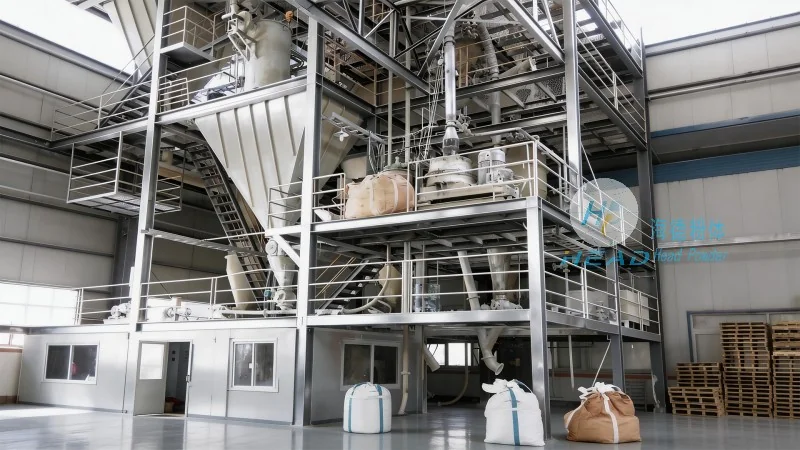
Several notable features distinguish the sorghum wine lees pneumatic conveying equipment from conventional methods of material handling. Firstly, it offers a highly efficient and hygienic solution for transporting lees, which are often sensitive to moisture and contamination. The enclosed pipeline system prevents exposure to external elements, ensuring that the lees remain clean and free from dust or other impurities. This is particularly important in the food and beverage industry, where product quality and safety are paramount. Secondly, the equipment is designed for low maintenance and durability. The use of robust materials, such as stainless steel for the conveying lines and components, ensures long-term reliability and resistance to corrosion from the lees. Additionally, the system is equipped with advanced control mechanisms that allow for precise regulation of air pressure and flow rates, optimizing the conveying process and minimizing energy consumption. Another key feature is its flexibility in handling varying material loads. The equipment can be adjusted to accommodate different quantities of lees, making it suitable for both small-scale and large-scale winemaking operations. This adaptability is achieved through variable speed drives and adjustable inlet and outlet valves, which can be controlled manually or via automated systems. Furthermore, the pneumatic conveying system is capable of transporting lees over significant distances without the need for intermediate storage or handling points, reducing the overall footprint of the winery's material handling infrastructure.
Operational Efficiency and Cost Benefits
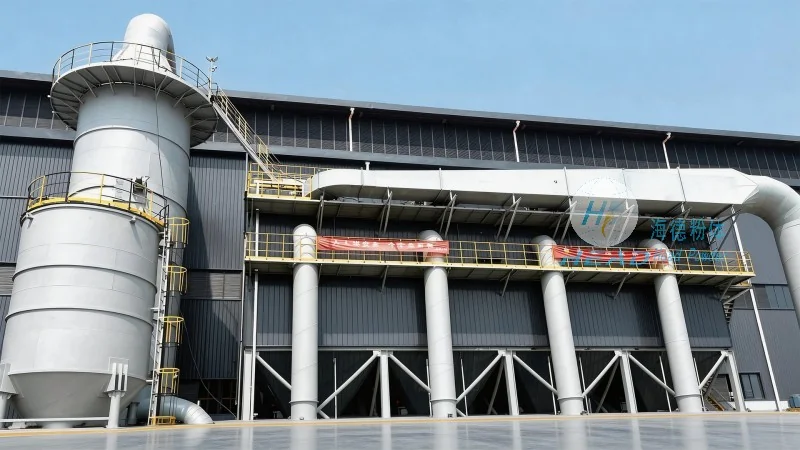
The sorghum wine lees pneumatic conveying equipment contributes to enhanced operational efficiency in winemaking facilities. By automating the transportation of lees, the system reduces the need for manual labor, which is often associated with handling bulk materials. This not only improves safety in the workplace but also increases productivity, as the equipment can operate continuously without the need for frequent breaks or rest periods. The reduced labor requirements translate into lower operational costs, making the equipment a cost-effective solution for wineries of all sizes. Additionally, the system minimizes material loss during transport, as the enclosed pipeline prevents spillage or leakage that can occur with traditional methods like bucket elevators or belt conveyors. This results in better material recovery and less waste, contributing to the overall sustainability of the winemaking process. The energy efficiency of the pneumatic conveying system is another significant advantage. By optimizing air pressure and flow rates, the equipment consumes less energy compared to other transport methods, leading to lower utility bills and a reduced environmental impact. The use of high-efficiency air compressors and variable speed drives further enhances energy savings, making the system environmentally friendly and economically viable.
Application and Integration in Winemaking
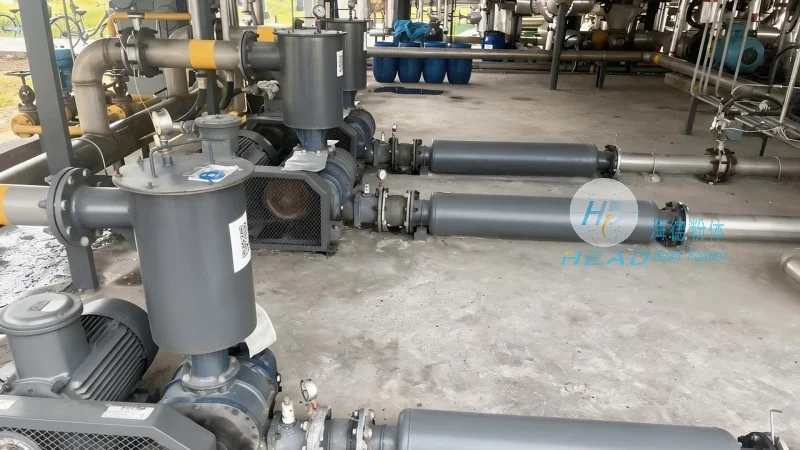
The sorghum wine lees pneumatic conveying equipment is widely used in modern wineries to streamline the handling of lees from the fermentation tanks to storage or processing areas. The equipment can be integrated seamlessly with existing winemaking infrastructure, such as fermentation vessels and storage silos, without requiring extensive modifications to the facility. This integration ensures a smooth flow of operations, from the initial collection of lees to their final disposal or reuse. The equipment is particularly beneficial in large-scale wineries where the volume of lees generated is substantial, as it can handle high throughput rates without compromising on efficiency or quality. In smaller wineries, the equipment offers a scalable solution that can be adjusted to meet the specific needs of the operation. The adaptability of the system allows winemakers to customize the conveying process according to their production schedules and material requirements, ensuring that the lees are transported in a timely and efficient manner. Furthermore, the equipment can be used in conjunction with other processing equipment, such as drying or compaction machines, to form a complete lees handling system. This integration enhances the overall productivity of the winery and supports the efficient management of byproducts.