HeadPowder, as a professional manufacturer based in Shandong, China, specializes in the design, production, and supply of advanced pneumatic conveying systems for industrial applications. The company's core product, the silica fume pneumatic conveying system, is engineered to efficiently handle the transportation of silica fume, a key material widely used in construction and industrial processes.
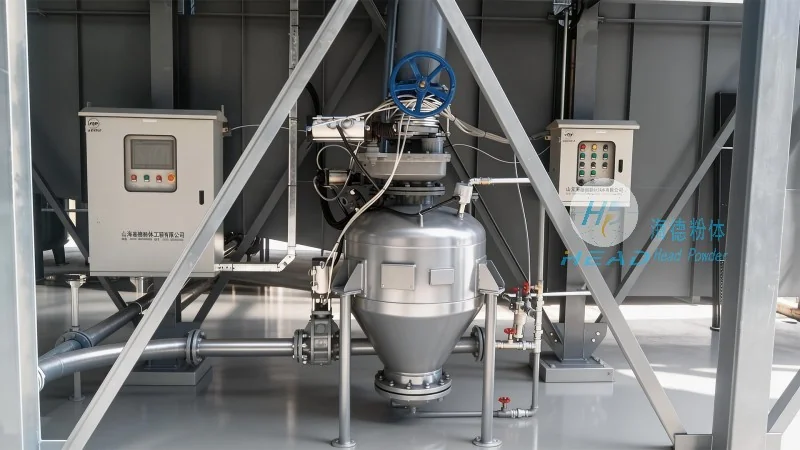
Overview of Silica Fume Pneumatic Conveying System
Silica fume, also known as microsilica, is a byproduct of silicon metal or ferrosilicon production, characterized by its ultrafine particle size and high surface area. Traditional methods of transporting silica fume, such as bucket elevators or belt conveyors, often face challenges like dust generation, material degradation, and operational inefficiencies. The pneumatic conveying system addresses these issues by utilizing air as the conveying medium, enabling a dust-free, continuous, and energy-efficient transfer of the material from the source to the destination.
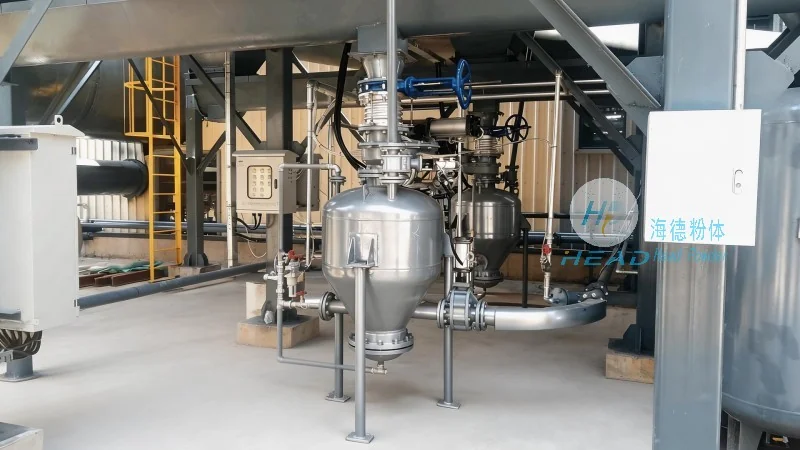
Working Principle of the Silica Fume Pneumatic Conveying System
The system operates on the principle of pneumatic transport, which involves the use of a blower or compressor to generate airflow that propels the silica fume particles through a pipeline. The key components of the system include a hopper for material storage, a feeder to control the flow rate, a blower to provide the necessary air pressure, and a pipeline network that connects the source and destination points. The material is introduced into the hopper, where it is then fed into the pipeline under the pressure of the airflow. The particles are carried by the air stream, moving through the pipeline to the receiving tank or processing unit. The system may also incorporate features like cyclone separators or filters to separate the material from the air at the destination, ensuring clean and efficient material handling. The hopper is typically equipped with a level indicator to monitor the material inventory, while the feeder, often a rotary valve or screw feeder, ensures a consistent and controlled flow of silica fume into the pipeline. The blower, which can be a positive displacement blower or a centrifugal fan, generates the required pressure to move the material through the pipeline. The pipeline network is designed with appropriate diameter and slope to maintain the air flow and prevent blockages. At the receiving end, the cyclone separator uses centrifugal force to separate the silica fume particles from the air, collecting the material in a collection bin and returning the air to the blower for recirculation, thus enhancing energy efficiency.
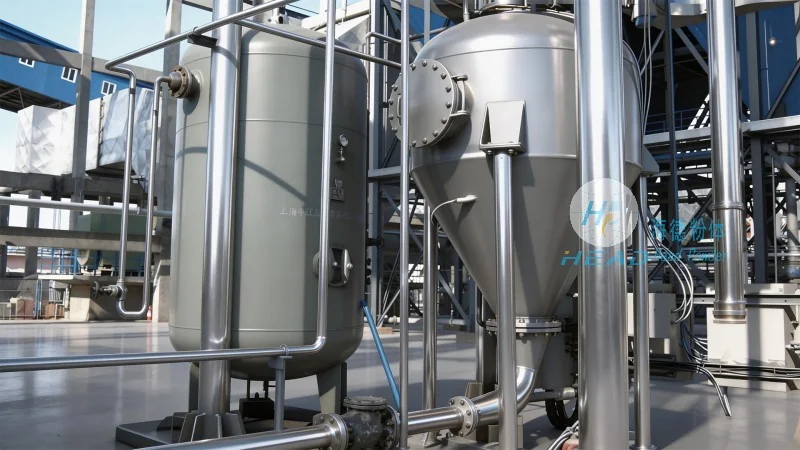
Key Features and Technical Advantages
The silica fume pneumatic conveying system developed by HeadPowder is designed with several distinct features that enhance its performance and reliability. One of the primary advantages is its ability to maintain a dust-free environment, which is crucial for industrial safety and compliance with environmental regulations. The system's continuous operation reduces downtime and improves overall productivity compared to traditional batch processing methods. Additionally, the use of air as the conveying medium minimizes material degradation, preserving the quality of the silica fume for its intended applications. The system is also equipped with adjustable controls, allowing operators to fine-tune the flow rate and pressure according to the specific requirements of the material being transported. This flexibility ensures optimal performance under varying operational conditions. Furthermore, the system is engineered for easy maintenance, with accessible components that can be serviced without extensive downtime. The use of high-quality materials in the construction of the hopper, feeder, and pipeline ensures durability and long service life. Energy efficiency is another key feature, as the system is designed to minimize air consumption and optimize the blower's performance, reducing operational costs for the end-user. The system's compact design also allows for easy integration into existing industrial facilities, making it a versatile solution for various production lines.
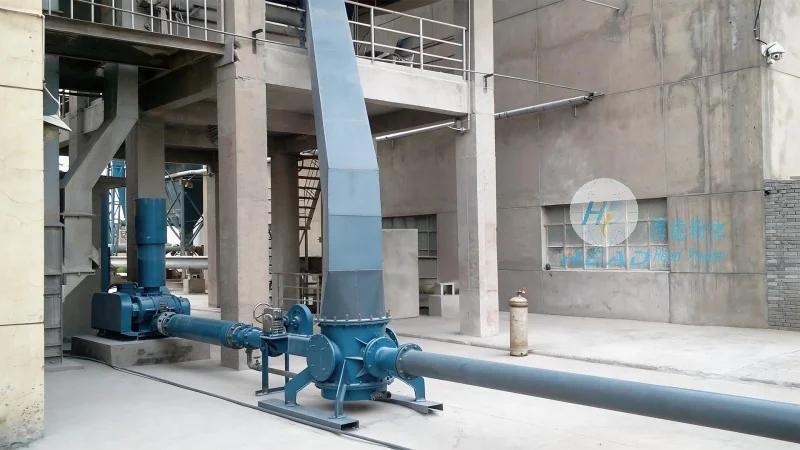
Application and Industry Impact
The silica fume pneumatic conveying system is widely used in various industries, including construction, refractory materials, and chemical processing. In the construction sector, it is employed to transport silica fume for concrete production, where its addition enhances the strength and durability of the final product. The system's efficiency in handling ultrafine particles makes it particularly suitable for applications requiring precise material control. For example, in large-scale concrete plants, the system ensures a consistent supply of silica fume, reducing the risk of material shortages or quality variations. In the refractory industry, silica fume is used to improve the properties of refractory materials, and the pneumatic conveying system facilitates the efficient transfer of this material to the mixing and molding processes. The system's ability to handle high volumes of material at a steady rate contributes to increased production throughput and reduced labor costs. In chemical processing, the system is used to transport silica fume in the production of specialty chemicals, where the material's purity and consistency are critical. By improving the transportation process, the system contributes to cost savings and operational efficiency for manufacturers, while also reducing the environmental impact associated with traditional material handling methods. Overall, the silica fume pneumatic conveying system offers a reliable and efficient solution for the transportation of ultrafine materials, supporting the productivity and sustainability of industrial operations.




