Understanding the working principle and features of a brown sugar powder conveying line is crucial for optimizing industrial processes in the food and sugar processing sectors. This equipment is specifically designed to handle the transportation of brown sugar powder, a critical component in various food products and confectionery items. The following sections will delve into the operational mechanics and key characteristics that define this essential machinery.
Working Principle of Brown Sugar Powder Conveying Line
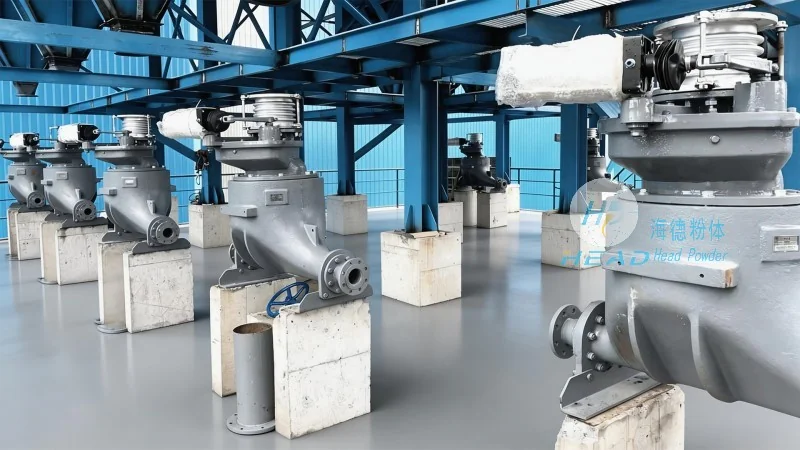
The brown sugar powder conveying line operates on a systematic approach to move bulk brown sugar powder from one location to another within a processing facility. The process typically begins with the storage of brown sugar powder in a silo or hopper, where the material is held under controlled conditions to maintain its quality and prevent caking. From the storage vessel, the powder is fed into a conveyor system, which may include components such as a screw conveyor, pneumatic conveyor, or a combination of both, depending on the specific requirements of the application.
For screw conveyors, the brown sugar powder is transported through a rotating helical screw that moves the material forward. This method is particularly effective for handling dry, free-flowing powders like brown sugar, as it minimizes product degradation and ensures a consistent flow rate. The screw conveyor's design, including its pitch and diameter, is tailored to the characteristics of the brown sugar powder, such as its moisture content and particle size, to prevent blockages and ensure smooth operation.
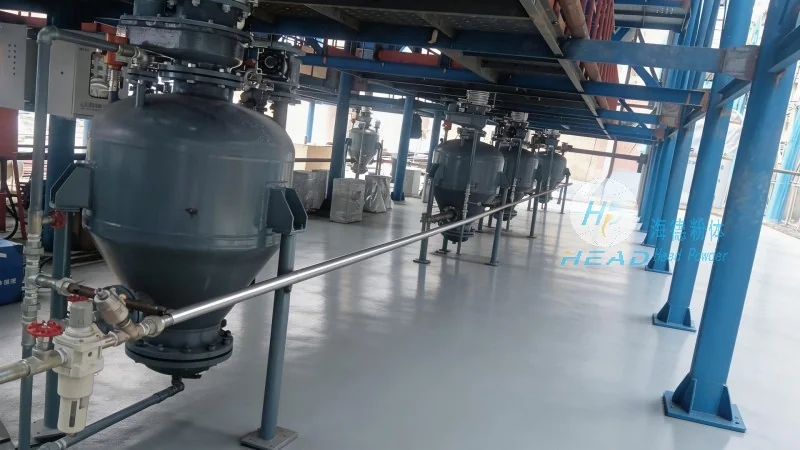
Pneumatic conveyors, on the other hand, utilize air pressure to transport the brown sugar powder through a pipeline system. This method is ideal for applications where the powder needs to be moved over longer distances or through complex layouts. The system typically consists of a blower, a hopper, and a series of pipes with inlets and outlets. The brown sugar powder is drawn into the pipeline by the moving air, and the pressure differential ensures efficient transportation. Pneumatic conveyors are particularly useful for handling fine powders that are prone to dusting or clogging in traditional mechanical systems.
After the brown sugar powder has been conveyed to its destination, it may be processed further or stored in another container. The entire system is designed to be efficient, reliable, and easy to maintain, ensuring that the brown sugar powder is handled with care to preserve its quality and flavor.
Key Features of Brown Sugar Powder Conveying Line
The brown sugar powder conveying line is equipped with several features that enhance its performance and usability in industrial settings. One of the primary features is its ability to handle bulk quantities of brown sugar powder with minimal human intervention. The automated feeding and conveying systems reduce labor costs and improve operational efficiency, making it suitable for large-scale production environments.
Another important feature is the system's ability to maintain the quality of the brown sugar powder during transportation. The equipment is designed to minimize exposure to air, moisture, and other contaminants, which can affect the flavor and texture of the product. For example, the use of sealed hoppers and conveyor systems helps to prevent dusting and caking, ensuring that the brown sugar powder remains in its optimal condition throughout the process.
The conveying line also offers flexibility in terms of customization. Depending on the specific needs of the user, the system can be configured with different components, such as variable speed drives, sensors for level monitoring, and control panels for easy operation. This adaptability allows the equipment to be integrated into existing production lines or used as a standalone unit, providing versatility for various industrial applications.
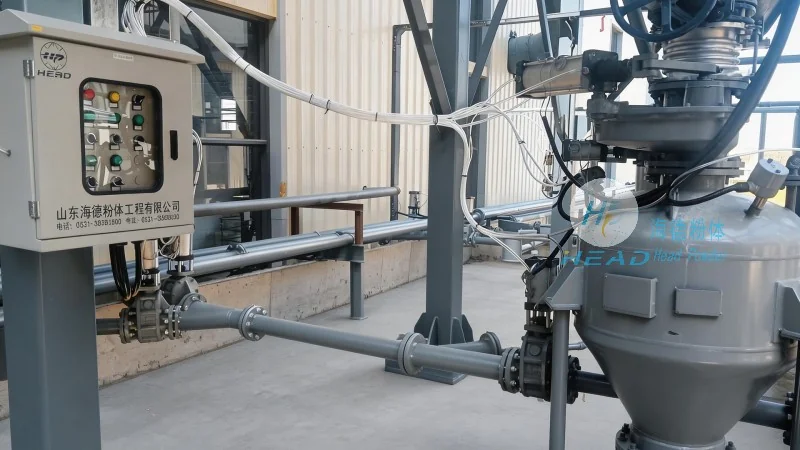
Additionally, the brown sugar powder conveying line is built with durability and longevity in mind. The materials used in the construction, such as stainless steel and high-quality plastics, are resistant to corrosion and wear, ensuring that the equipment can withstand the harsh conditions of industrial environments. Regular maintenance is also facilitated by the design, with easy access to components for cleaning and repair, reducing downtime and increasing the overall lifespan of the machinery.
Applications and Benefits
The brown sugar powder conveying line finds wide application in the food and sugar processing industries, where the efficient handling of bulk powders is essential. In confectionery manufacturing, for example, the equipment is used to transport brown sugar powder to mixing and blending units, ensuring that the final products have consistent flavor and texture. Similarly, in the production of baked goods, the conveying line helps to deliver brown sugar powder to ovens and other processing equipment, optimizing the baking process and improving product quality.
One of the key benefits of using a brown sugar powder conveying line is the improvement in operational efficiency. By automating the transportation of bulk materials, the system reduces the time and labor required for manual handling, allowing production lines to operate at higher speeds and with greater consistency. This leads to increased productivity and reduced costs, making the equipment a valuable investment for businesses in the food and sugar sectors.
Furthermore, the equipment contributes to better product quality and safety. By minimizing the risk of contamination and degradation during transportation, the brown sugar powder conveying line helps to maintain the integrity of the product, ensuring that it meets the highest standards of quality and safety. This is particularly important in industries where regulatory compliance is a critical factor, as the equipment helps to ensure that products are handled in a manner that adheres to food safety guidelines.




