Rapid material loading conveyor systems are essential in modern industrial settings, designed to efficiently transport and load materials with high speed and precision. These systems are crucial for optimizing production lines, reducing downtime, and enhancing overall operational efficiency. As a leading provider in the field, Shandong HeadPowder Engineering Co., Ltd. specializes in developing advanced solutions tailored to meet diverse industrial needs.
The Working Principle of Rapid Material Loading Conveyor Systems
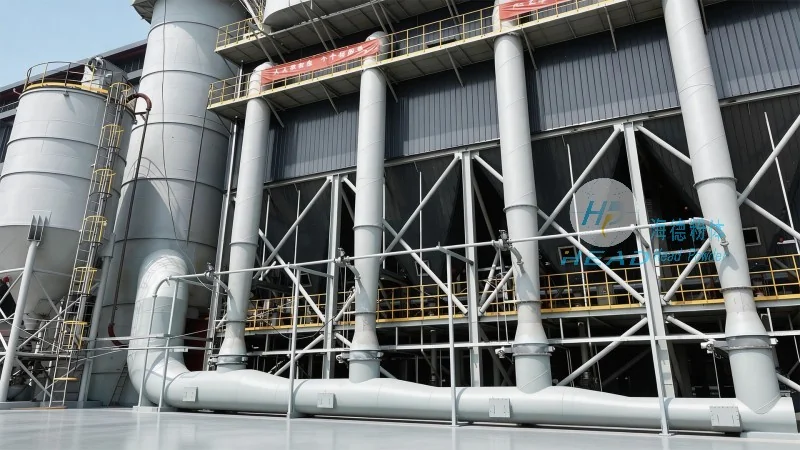
The core working principle of rapid material loading conveyor systems revolves around the integration of advanced mechanical and control technologies. These systems typically consist of a series of components, including a drive mechanism, conveyor belts or rollers, and a loading mechanism. The drive mechanism, often powered by electric motors, provides the necessary force to move the conveyor. The conveyor itself, whether belt-driven or roller-based, ensures smooth and consistent material transport. The loading mechanism, which can be automated or semi-automated, is responsible for placing materials onto the conveyor or transferring them to the next stage of the production process. The entire system operates under precise control, often using sensors and programmable logic controllers (PLCs) to monitor and adjust the flow of materials in real-time. This control system ensures that the conveyor operates at optimal speed and efficiency, minimizing errors and maximizing throughput. The synchronization of these components is critical to the system's performance, as any delay or misalignment can impact the entire production line. By leveraging advanced engineering and automation, rapid material loading conveyor systems achieve high-speed material handling capabilities, making them indispensable in industries such as manufacturing, logistics, and warehousing.
Key Features of Rapid Material Loading Conveyor Systems
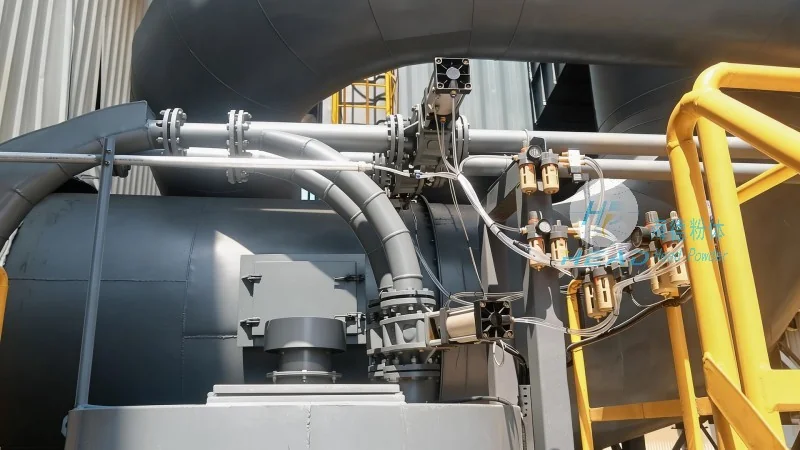
Rapid material loading conveyor systems are characterized by several key features that set them apart from traditional conveyor systems. First, their high-speed operation allows for rapid material transport, significantly reducing the time required to move materials from one location to another. This speed is achieved through optimized mechanical designs and powerful drive systems, enabling the conveyor to handle a high volume of materials in a short period. Second, these systems offer high precision and accuracy in material placement. The advanced control systems and sensors ensure that materials are loaded and transported with minimal deviation, reducing the risk of damage or misplacement. Third, rapid material loading conveyor systems are highly adaptable and customizable. They can be configured to handle various types of materials, including bulk materials, packaged goods, and even fragile items, by adjusting the conveyor design and loading mechanisms. This flexibility makes them suitable for a wide range of applications. Fourth, the systems are designed for durability and reliability. High-quality materials and robust construction ensure that the conveyor can withstand heavy usage and harsh environmental conditions, providing long-term performance and low maintenance costs. Additionally, the integration of safety features, such as emergency stop buttons and protective guards, enhances operational safety and compliance with industry standards. These features collectively contribute to the efficiency, reliability, and versatility of rapid material loading conveyor systems, making them a preferred choice for modern industrial operations.
Applications and Benefits in Industrial Settings
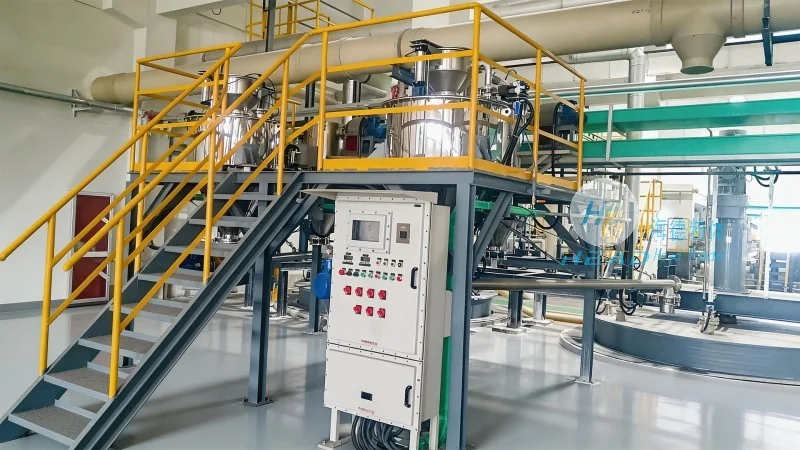
Rapid material loading conveyor systems find extensive applications across various industries, including manufacturing, pharmaceuticals, food processing, and logistics. In manufacturing, these systems are used to transport raw materials to production lines and finished products to packaging areas, streamlining the production process. In the pharmaceutical industry, they ensure the safe and efficient handling of medical products, maintaining strict hygiene and quality standards. The food processing sector benefits from rapid material loading conveyor systems by enabling quick and hygienic transport of food items, reducing the risk of contamination. In logistics and warehousing, these systems enhance the efficiency of inventory management and order fulfillment, allowing for faster loading and unloading of goods from trucks and storage areas. The primary benefits of using rapid material loading conveyor systems include increased productivity, reduced labor costs, improved material handling accuracy, and enhanced safety. By automating the material loading process, these systems minimize the need for manual labor, which not only reduces costs but also minimizes the risk of human error. The high speed and precision of the conveyor systems also contribute to improved product quality and customer satisfaction. Furthermore, the reliability of these systems ensures consistent performance, reducing downtime and maintenance costs. Overall, rapid material loading conveyor systems play a vital role in optimizing industrial operations, improving efficiency, and meeting the demands of modern manufacturing and logistics.




